
Meta Muse Image Moves AI Photos Into Feeds
 Vortixel
18 minutes read
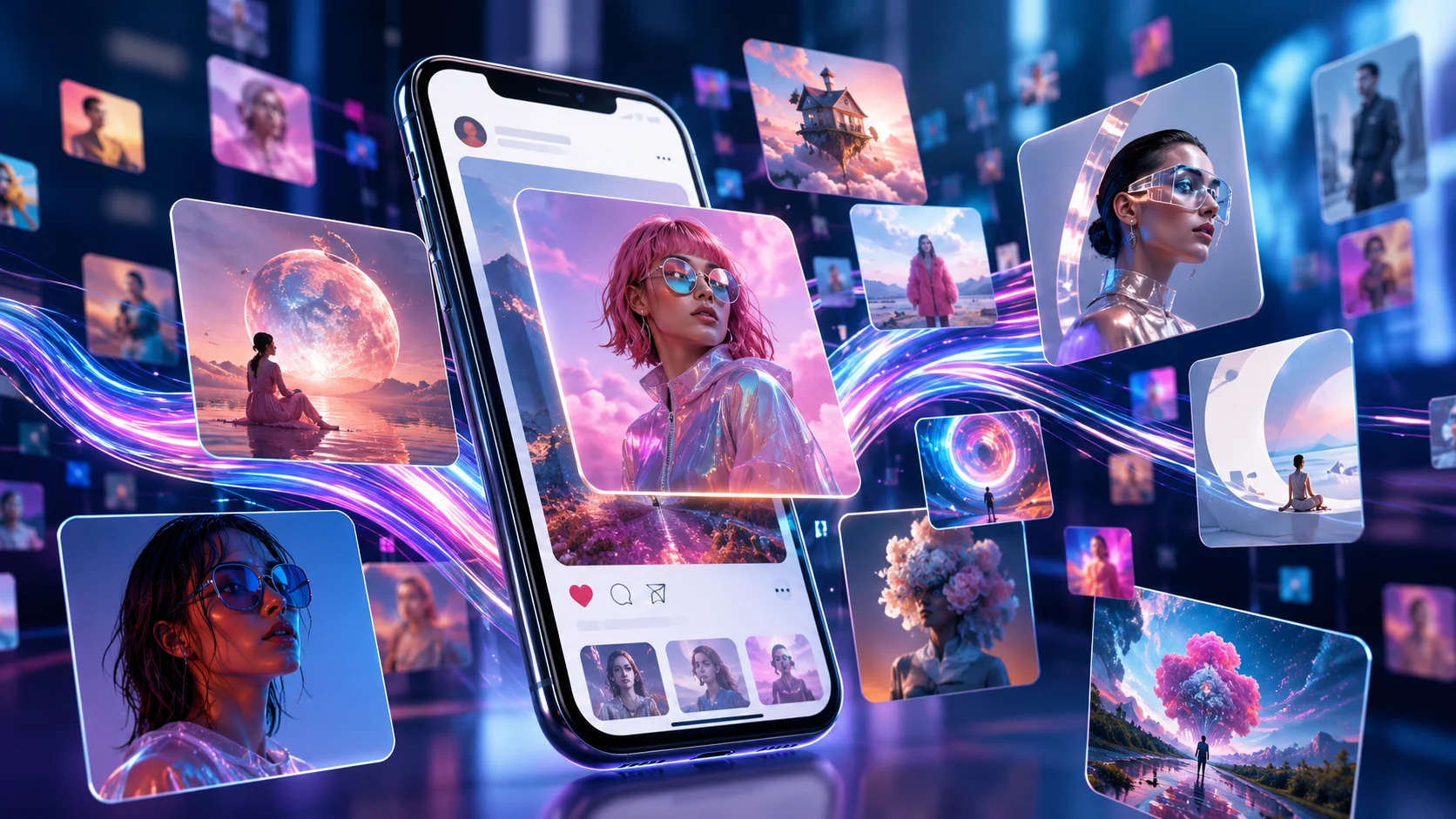
Meta Muse Image arrives at a moment when social media is no longer just a place to post what already happened. It is becoming a place where people can generate what they imagined, edit what they captured, and remix the visual language of their daily lives before anyone else even sees it. For years, AI image tools lived mostly in separate apps, creative studios, browser tabs, and niche design workflows, but this launch pushes that technology directly into the social feed. That changes the vibe because the feed has always been personal, messy, aspirational, and fast-moving, while AI image generation has often felt like a tool for prompts, experiments, and polished concepts. Now those two worlds are being merged in a way that could reshape how people create, share, question, and trust images online.
The biggest story here is not only that Meta has a new image model. The bigger story is where that model is being placed and how naturally it fits inside the behavior people already have on Instagram, Facebook, WhatsApp, Messenger, and Meta AI. Instead of asking users to leave a social app, open another platform, type a detailed prompt, download a file, and bring it back, Meta is trying to collapse the whole process into the same spaces where people already chat, post stories, and scroll. That convenience is powerful because visual creation becomes less like a technical task and more like a social reflex. When AI photos become part of the feed itself, the line between content creation and content consumption starts to blur in real time.
For Visual Vortixel readers, this is exactly the kind of shift that matters because it sits at the intersection of artificial intelligence, social design, digital creativity, and visual culture. A new image generator is interesting, but an image generator plugged into one of the world’s largest social ecosystems is a different kind of event. It can influence how creators build personal brands, how small businesses make campaign visuals, how everyday users edit memories, and how platforms compete for attention. It also raises serious questions about consent, likeness, originality, and the emotional weirdness of seeing AI-generated versions of familiar people, places, and moments. In other words, Meta Muse Image is not just a feature update; it is a preview of what social media may look like when generative visuals become native.
Why Meta Muse Image Matters Right Now
Meta Muse Image matters because timing is everything in the AI visual race. The internet has already seen text-to-image tools become mainstream, then video generators arrive with cinematic ambition, then editing systems turn casual prompts into design commands. What Meta is doing now is different because it is not only chasing standalone AI creativity; it is trying to make AI image generation part of the social layer itself. That means the feature is designed around sharing, remixing, responding, and building visual identity, not just producing a file. The impact could be huge because the most influential creative tools are often the ones that disappear into everyday habits.
Think about how filters changed photography, how Stories changed casual video, and how short-form platforms changed editing language. None of those shifts required every user to become a professional creator, but they still changed what professional-looking content meant. Muse Image could follow a similar path by making advanced image generation feel ordinary inside social apps. A user might generate a birthday post, restyle an outfit photo, create a surreal story background, or turn a rough idea into a visual without thinking of it as “using AI.” When technology becomes that invisible, it often becomes more influential than when it is marketed as something futuristic.
The move also reflects Meta’s broader strategy to keep creation inside its own ecosystem. Social platforms no longer compete only on who has the best feed, the strongest algorithm, or the most active creator base. They now compete on who can give users the fastest path from idea to post, from memory to edit, and from product to campaign. If Meta can make AI images feel native inside its apps, it reduces the need for creators and brands to rely on outside tools for quick visual production. That creates a deeper creative loop where people imagine, generate, post, react, and refine without leaving the platform.
From AI Tool to Social Habit
The most important part of the launch is not the model name, but the behavioral shift it encourages. AI image generation used to feel like a deliberate session, almost like opening Photoshop, Midjourney, Firefly, or another creative platform with a goal in mind. Social feeds work differently because people open them casually, impulsively, and emotionally, often without a clear plan. That difference matters because if AI images are available at the exact moment someone wants to post, reply, joke, promote, or express a mood, usage becomes much more frequent. The tool moves from being a creative destination to being a background engine for social communication.
This is where digital creativity gets a new texture. A person may not call themselves a designer, but they still make visual decisions every day through profile pictures, story posts, thumbnails, memes, mood boards, and photo edits. Muse Image could expand that behavior by letting people generate visuals that match a specific feeling, inside joke, aesthetic, or moment. The result may be a feed with more surreal scenes, polished fantasy portraits, branded mini-campaigns, and personalized visual reactions. It could also make social media feel even more synthetic, because the casual snapshot may have to compete with images that never existed outside the model.
That tension is the heart of the story. Social media has always been a mix of reality and performance, but AI makes the performance layer faster, cheaper, and more convincing. People already edit skin, lighting, background, and composition, so AI-generated photos are not arriving in a pure world of untouched truth. They are arriving in a culture that has been preparing for them for over a decade. The difference is that Muse Image could make the leap from edited reality to generated reality feel almost frictionless.
How Muse Image Changes the Feed Experience
Feeds are built on visual rhythm. A user scrolls through faces, food, outfits, travel shots, product promos, screenshots, memes, reels, ads, and snapshots of everyday life. When AI-generated photos become easier to make and share, that rhythm may become more stylized and less predictable. Instead of seeing only what someone captured, users may see what someone wanted a moment to feel like. A rainy commute could become cinematic, a product photo could become editorial, and a normal selfie could turn into a themed visual identity piece.
For creators, this could be a shortcut to more consistent storytelling. A fashion creator might build themed backgrounds without renting a studio, a music page might generate visualizers for track announcements, and a small business might create seasonal campaign images without hiring a full creative team for every post. That does not replace taste, but it changes the starting point. Instead of asking whether someone can produce an image, the real question becomes whether they can choose the right visual direction. In a world full of instant generation, curation becomes just as valuable as creation.
For ordinary users, the experience may feel playful at first. The appeal is obvious because social media is full of moments where people want to post something but do not have the perfect image. Muse Image could fill that gap by making visuals on demand, whether for a story, a group chat, a birthday message, or a personal update. The feed may become more expressive, but also harder to read. When every image can be generated, edited, or reimagined, users may start asking a new question with every scroll: did this happen, or was it made to feel like it did?
The Creator Economy Gets a New Visual Layer
The creator economy is built on speed, consistency, and recognizable style. Creators who post often need visuals for announcements, thumbnails, behind-the-scenes stories, brand partnerships, and community updates. Muse Image could become part of that workflow by helping creators produce more assets with less friction. This matters especially for independent creators who do not have agencies, designers, photographers, or editors behind every post. If AI images become easy enough to generate inside social apps, the gap between solo creators and bigger media teams could narrow in some visual categories.
But the tool also raises the bar. Once everyone can make clean images quickly, audiences may become less impressed by basic polish. The visual internet has already gone through this cycle with templates, filters, smartphone cameras, and short-form editing apps. At first, a new tool makes creators stand out, then everyone adopts it, and eventually the baseline shifts. The creators who win are not only the ones using AI, but the ones using it with a clear point of view. Muse Image may make content easier to produce, but it will not automatically make content worth remembering.
This is why creative direction becomes more important than prompt tricks. A creator who understands tone, audience, storytelling, and platform culture will get more value from AI visuals than someone who simply generates random glossy images. The strongest use cases will probably combine real identity with generated atmosphere. A creator might use Muse Image to extend a personal photo into a campaign mood, turn a simple product into a lifestyle scene, or build recurring visual themes for a series. That kind of workflow treats AI as a creative assistant, not as a replacement for personality.
Small Businesses Could Move Faster
Small businesses may be one of the biggest audiences for AI image tools inside social feeds. Many local brands, online shops, cafes, salons, coaches, and service providers need constant visual content but do not always have the budget for professional production. Muse Image could help them generate promotional visuals, seasonal graphics, product scenes, and campaign concepts directly where their customers already spend time. That is a big deal because visual marketing often fails not because a business lacks ideas, but because it lacks production capacity. AI can reduce that bottleneck and make posting feel less intimidating.
Still, faster does not always mean better. A small business using AI visuals must be careful not to create images that misrepresent products, exaggerate results, or confuse customers about what is real. If a restaurant generates a perfect-looking dish that does not match what arrives at the table, trust can break quickly. If a clothing shop creates model images that distort fabric, fit, or color, customers may feel misled. The smartest brands will use AI for atmosphere, layout ideas, campaign concepts, and supporting graphics while keeping core product truth clear.
There is also a branding opportunity here. Businesses that build a recognizable visual style with Muse Image could stand out more consistently across posts, stories, ads, and messages. Instead of relying on random stock photos or inconsistent phone shots, they can create a unified look that matches their voice. That can be especially useful for early-stage brands still figuring out their identity. The key is to use AI images as part of a broader brand system, not as a pile of disconnected visuals.
The Privacy Question Is the Real Pressure Point
The excitement around Meta Muse Image comes with a serious pressure point: privacy. Social platforms are filled with personal photos, tagged friends, public profiles, memories, faces, locations, and relationship context. When an AI image tool is connected to that environment, people naturally worry about how their images, likenesses, and social data may be used. Even if a feature is designed for creativity, users may feel uncomfortable if they believe the system can generate versions of them without enough control. This is especially sensitive because social media photos are personal in a way that generic training data is not.
The concern is not only technical; it is emotional. People may not mind AI generating a fantasy landscape, a product mockup, or a stylized background, but they may feel differently when AI touches their face, their friends, or their personal archive. Social media is built on consent signals that are often messy, such as public profiles, tags, comments, shares, and screenshots. AI generation complicates those signals because a public photo does not automatically mean someone wants to be transformed, reimagined, or placed inside someone else’s prompt. The more personal the output feels, the more important clear controls become.
This is where Meta has to be careful because trust is a product feature now. Users may accept AI tools if they understand what is happening, can opt out easily, and feel that their identity is protected. They may push back if the system feels confusing, hidden, or too aggressive. The future of AI in social feeds will not be decided only by image quality. It will also be decided by whether people feel respected when their likeness, data, and creative identity become part of the generation layer.
Authenticity Will Become Harder to Define
Authenticity has always been complicated online. A candid photo can be staged, a casual caption can be planned, and a “real life” post can be edited until it becomes a performance. AI images do not create that problem from zero, but they intensify it. With Muse Image inside social feeds, authenticity may become less about whether an image is untouched and more about whether the post is honest about its intent. A generated visual can still express a real feeling, but it can also create false impressions if context is missing.
This shift could push platforms toward stronger labeling, clearer signals, and better media literacy. Users may need simple ways to know when an image is AI-generated, AI-edited, or based on a real photo. Creators may need to disclose how they use AI, especially when visuals affect trust, identity, or commerce. Brands may need internal rules for which AI images are acceptable in campaigns and which ones cross the line. The feed of the future may not be divided into real and fake, but into transparent and unclear.
For digital artists, this debate is even more layered. Some artists see AI tools as another medium, while others worry about training data, style imitation, and market saturation. Muse Image adds another dimension because it places AI output in social spaces where art, lifestyle, ads, memes, and personal identity already collide. The result could be a more creative internet, but also a noisier one. The value of human intention may become more important as generated images become easier to make.
Design Tools Are Becoming Social Tools
One of the most interesting trends behind Muse Image is the way design tools are becoming social tools. In the past, creative software was often separate from the platforms where work was published. Designers made assets in one environment, exported them, and uploaded them somewhere else. Social platforms are now trying to pull more of that process into their own apps. That makes creation faster, but it also changes who gets to participate in visual design.
When AI design features live inside social platforms, the creative process becomes more conversational. A user can generate a visual, send it to a friend, ask for feedback, remix it, post it, and turn reactions into the next version. This is very different from traditional design workflows that move through briefs, drafts, revisions, approvals, and publishing schedules. Social-native AI creation is more fluid and reactive. It matches the speed of the feed, where visual ideas can rise and disappear in hours.
This has major implications for Artificial Intelligence and design culture. It suggests that the future of creative software may not be defined only by professional dashboards, but also by lightweight tools embedded in social habits. Designers will still need advanced platforms, but casual users may expect every app to include some form of generative visual assistance. That expectation could push the entire creative software market toward simpler interfaces, faster iteration, and deeper social integration. Muse Image is part of that larger movement toward creation everywhere.
What This Means for Digital Artists
Digital artists are likely to have mixed feelings about Muse Image, and that reaction is valid. On one side, the tool could make experimentation easier by helping artists explore compositions, references, color palettes, and surreal concepts quickly. On the other side, it could flood feeds with AI visuals that compete for attention without the same labor, context, or craft behind them. The tension is not simply artists versus technology. It is about how platforms reward speed, novelty, and volume in a creative ecosystem that already moves too fast.
Artists who adapt may use Muse Image as a sketching partner rather than a final-output machine. They might generate mood concepts, test visual directions, create background ideas, or build narrative references before producing original work. This can be useful because early creative exploration is often messy and time-consuming. AI can make that stage more playful and less expensive. But the final value still comes from taste, editing, technique, and meaning.
The risk is that audiences may become visually overloaded. If feeds fill with endless polished AI images, people may start craving more process, imperfection, and human context. Artists who show their workflow, explain their choices, and build a recognizable voice may become more valuable, not less. The more synthetic the feed becomes, the more human signals may stand out. Muse Image could therefore push artists to become stronger storytellers around their work.
Visual Entertainment Enters a Remix Era
Visual entertainment is moving into a remix era where users do not only watch images and videos; they participate in making versions of them. Muse Image fits into that cultural shift because it gives users a way to create personalized visuals that feel connected to their social world. Entertainment is no longer limited to polished studio output or creator-led posts. It increasingly includes fan edits, AI portraits, themed reactions, surreal memes, and personal visual fantasies. The feed becomes both the stage and the studio.
This matters for fandoms, music communities, gaming pages, film culture, and lifestyle creators. AI images can help people visualize alternate aesthetics, character-inspired looks, fantasy posters, mood scenes, and shareable moments. When those tools live inside social apps, remix culture becomes easier and faster. That could create new waves of participatory entertainment where audiences generate visuals around trends as soon as they emerge. It may also create legal and ethical friction when AI-generated images reference celebrities, brands, characters, or real people.
The entertainment industry will probably watch this closely. If audiences get used to generating their own visual versions of culture, studios and brands may need new strategies for official assets, fan engagement, and rights management. Some may embrace AI remixing as free promotion, while others may fight to control likeness and intellectual property. Either way, Muse Image points toward a future where entertainment visuals are not only distributed from the top down. They are constantly reworked by the audience in the social layer.
Practical Insight for Creators and Brands
The practical takeaway is simple: use AI visuals with intention. Muse Image may make creation faster, but creators and brands should avoid treating speed as the whole strategy. A strong visual post still needs a clear purpose, whether that purpose is to inform, entertain, sell, explain, or build identity. Before generating an image, creators should know the mood, audience, message, and platform format they are targeting. Without that direction, AI can produce beautiful images that say almost nothing.
- Use AI images to support a story, not replace the story.
- Keep real product details accurate when creating business visuals.
- Build a consistent style so generated images feel branded.
- Be transparent when AI edits could affect trust or identity.
- Avoid using someone’s likeness without clear consent.
Creators should also think about workflow. Muse Image can be useful for brainstorming, thumbnails, backgrounds, mood boards, campaign drafts, and quick visual concepts. It may be less appropriate for moments that depend on documentary truth, personal memory, or sensitive identity. The best creators will learn when to generate, when to photograph, when to disclose, and when to leave an image untouched. That judgment will separate thoughtful AI use from visual noise.
Brands should develop internal AI image rules early. They should decide whether AI visuals can be used in ads, product posts, customer testimonials, influencer collaborations, or editorial content. They should also create approval steps for images involving faces, bodies, health claims, financial promises, or real-world products. These rules do not need to kill creativity. They help protect trust while still letting teams move faster.
The Bigger Trend Behind Meta Muse Image
The bigger trend is that visual technology is becoming ambient. It is not locked inside professional software, hidden behind complicated menus, or reserved for people with design training. It is moving into cameras, chats, feeds, browsers, phones, glasses, and everyday apps. Muse Image is part of that shift because it treats image generation as a normal layer of communication. The future of visuals may be less about opening a tool and more about having creative assistance available wherever expression happens.
This shift will change how people understand creativity. In the past, the ability to create polished visuals required access to equipment, software, skills, time, or money. AI reduces some of those barriers, which can be genuinely empowering. More people can express ideas visually, test concepts, and participate in digital culture. But lower barriers also mean more content, more competition, and more pressure to define what quality means.
That is why the conversation around Muse Image should not be only hype or fear. The tool could help creators move faster, give small businesses better visual options, and make social expression more playful. It could also intensify privacy worries, authenticity confusion, and content saturation. Both things can be true at the same time. The future of AI visual technology will be shaped by how platforms balance power with control, and how users balance convenience with responsibility.
Conclusion: AI Photos Are Becoming Social
Meta Muse Image shows where the next phase of social media is heading. AI photos are no longer just experimental outputs made in separate creative tools; they are becoming part of the feed, the story, the chat, and the everyday visual language of the internet. That makes the launch important for creators, brands, designers, digital artists, and ordinary users who may soon interact with generated imagery without thinking twice. The opportunity is huge because visual creation can become faster, more accessible, and more imaginative. The challenge is just as real because trust, consent, and authenticity become harder to protect when generation is built into the platforms where identity already lives.
The smartest way to view this moment is as a cultural shift, not just a product update. Muse Image is part of a broader move toward social-native creative software, where the tools for making visuals sit directly beside the tools for sharing them. That will reward people who understand storytelling, taste, ethics, and audience connection more than those who simply chase the newest feature. AI may help produce the image, but humans still decide what the image means. As Meta Muse Image brings AI photos deeper into social feeds, the future of visual technology will depend on whether people use that power to create clearer expression or just faster noise.