
Meta AI Image Consent Faces a New Reckoning
 Vortixel
15 minutes read
Vortixel
15 minutes read
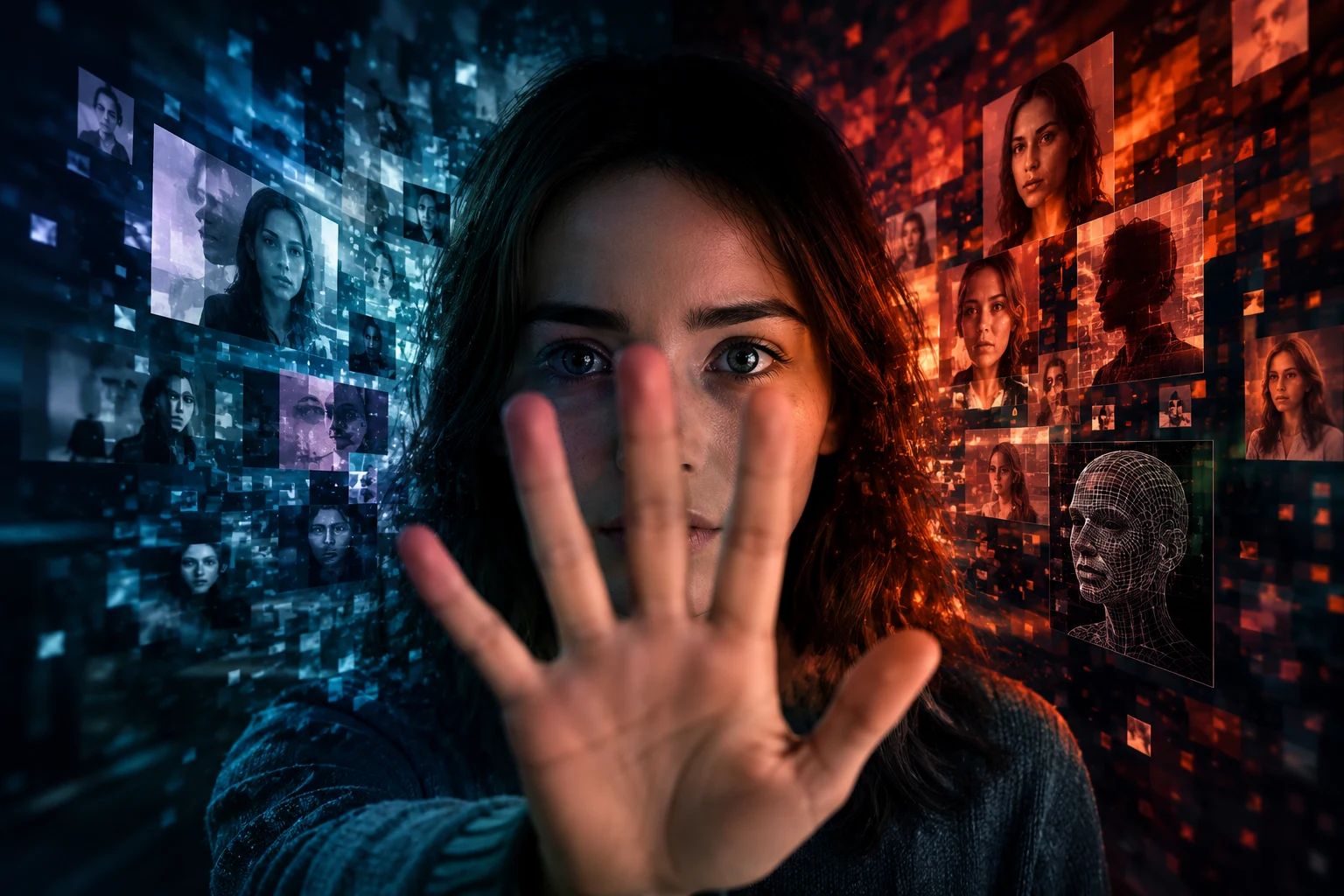
Meta AI image consent has suddenly become one of the loudest conversations in visual technology, and not because of a polished product demo or a glossy creative campaign. It happened because a new AI image feature collided with a question that the internet can no longer ignore: who gets to decide when a person’s face, style, public photos, or online identity becomes raw material for machine-made visuals? For years, platforms encouraged people to post publicly, build audiences, and treat visibility as opportunity. Now that same visibility can feel like exposure, especially when AI tools can remix images faster than users can understand the settings behind them. The backlash around Meta’s AI image rollout is not just another social media controversy; it is a turning point in how the visual web talks about consent, creativity, and control.
The mood changed fast because the feature seemed to tap into something much deeper than a simple privacy toggle. People were not only worried about whether an image could be edited, downloaded, or shared. They were worried about whether a public Instagram presence could become a searchable visual identity for generative AI without a clear, active yes from the person being depicted. That distinction matters because public posting was never the same thing as open permission for synthetic reuse. A selfie, a performance shot, a travel post, or a creator’s carefully branded feed may be visible to the world, but visibility does not automatically equal consent.
Why Meta AI Image Consent Became the Real Story
The core issue behind Meta AI image consent is not whether AI image tools are useful, because they obviously can be. Generative visuals are already changing how people sketch ideas, create mood boards, produce thumbnails, test ad concepts, and imagine scenes that would have taken a full design team to mock up a few years ago. The problem is what happens when the creative shortcut is built on top of real people’s public images, especially if the default experience feels more like opt-out than opt-in. In an AI era, defaults are not boring technical details; they are power moves. Whoever controls the default controls how millions of people participate before they even know participation has begun.
That is why the backlash hit so hard. For creators, actors, models, photographers, stylists, artists, and everyday users, identity is not just data floating around the internet. It is labor, reputation, personality, context, and sometimes livelihood. A public profile might be built for discovery, networking, fandom, or community, but that does not mean it was built to be an AI prompt ingredient. When people saw the possibility that their images could be used to generate new visuals featuring them or inspired by them, the conversation moved beyond platform convenience. It became a fight over whether digital presence still belongs to the person behind it.
This is where Meta’s situation becomes bigger than one removed feature. Social platforms trained users to believe that sharing publicly was a normal way to participate in culture. AI platforms are now testing whether public content can also become an input layer for automated creativity. Those two ideas do not sit comfortably together, because one was built around communication and the other is built around transformation. A photo posted to connect with followers has a different meaning when it can be remixed into a synthetic scene. That gap between original intent and new AI use is exactly where consent starts to break.
The Backlash Was About Trust, Not Just Technology
Tech companies often frame AI features as experiments, but users experience them as policy decisions. When a feature touches personal images, the experiment becomes intimate, whether the company intends it that way or not. The average Instagram user is not reading every product update, scanning every privacy menu, or checking whether a new AI setting appeared after an app refresh. They simply wake up to a new reality where their public content may have new uses. That creates a trust problem, because people feel like the rules of the platform changed after they had already built their lives inside it.
The trust issue is sharper because visual identity is emotionally charged. Text can be misquoted, screenshots can be taken out of context, and posts can go viral for the wrong reason, but AI-generated images add another layer of risk. They can make it look like someone was somewhere, wore something, endorsed something, or participated in a scene that never happened. Even when the output is not photorealistic, it can still feel invasive if it uses a person’s likeness or social identity without a clear invitation. That is why many people reacted less like customers reviewing a beta tool and more like people defending the boundary around their own image.
The backlash also exposed a generational shift in how people think about platform ownership. Younger users are highly fluent in remix culture, memes, filters, edits, fan art, and aesthetic reinterpretation. They are not automatically anti-remix, and they are not afraid of visual experimentation. But they are also more aware of screenshots, impersonation, fake accounts, deepfakes, and algorithmic exploitation than earlier social media users were. In other words, Gen Z and younger millennial creators can love visual play while still demanding stronger consent rules.
That nuance matters because the debate is not “AI art good” versus “AI art bad.” The real debate is whether platforms can build AI features that respect the difference between inspiration, collaboration, imitation, and extraction. A person might willingly use an AI filter on their own photo, commission an AI portrait, or license their likeness for a campaign. That is very different from discovering that someone else can generate images using a public account as a reference point. The future of AI visual technology depends on whether companies can treat that difference as foundational, not optional.
Public Images Are Not Public Permission
The internet has always blurred the line between public access and public ownership. When someone posts a picture publicly, others can view it, share it within platform rules, comment on it, or be influenced by it. But AI image generation introduces a more aggressive kind of reuse because the content is not simply being seen; it can be transformed, recombined, and used to create new visual outputs. That shift changes the moral weight of the action. Seeing a photo is not the same as turning that photo into a tool for generating synthetic versions of a person.
For creators, this line is especially important because their visual identity is often part of their brand. A fashion creator’s poses, color palette, styling choices, and face are not random uploads. A filmmaker’s behind-the-scenes photos, a digital artist’s profile, or a performer’s promotional images all carry commercial and creative value. If AI systems make those visuals easier to imitate or repurpose, creators may feel like the platform is diluting the very identity it once encouraged them to build. That is why consent in AI imagery cannot be reduced to a buried switch in settings.
There is also a safety layer that cannot be ignored. AI image tools can be used for harmless jokes, surreal edits, fandom posts, or experimental design, but they can also be used for harassment, impersonation, sexualized fakes, scams, and reputational attacks. Public figures face those risks at scale, but ordinary users are not immune. In fact, everyday people may have fewer resources to respond if something harmful spreads. The risk is not only that a bad image exists; it is that the person depicted may lose control of how others perceive them.
This is why AI image consent is becoming a design problem as much as a legal or ethical one. A platform can write policy language that sounds careful, but users judge the product by what it lets other people do. If the interface makes reuse feel casual, permission starts to feel secondary. If the opt-out path is hard to find, the platform sends a message about whose convenience matters most. Good design in this space should make consent visible, active, and easy to understand before any image is generated.
How AI Visual Tools Are Changing Creative Culture
The timing of the controversy is important because AI visual tools are no longer niche experiments for early adopters. They are moving into social apps, creative suites, phone cameras, editing workflows, advertising dashboards, and entertainment pipelines. What once felt like a separate AI playground is now becoming part of the normal creative stack. That means the ethical questions are no longer waiting in some future version of the internet. They are arriving inside the apps people already use every day.
For designers and digital creators, the promise is obvious. AI can help visualize concepts, generate backgrounds, clean up rough sketches, test compositions, create variations, and speed up ideation. It can make creative work more accessible for people who do not have expensive software skills or studio budgets. It can also help professionals move faster when the task is repetitive, experimental, or early-stage. The creative upside is real, which is exactly why consent rules need to be stronger before these tools become invisible infrastructure.
The biggest cultural shift is that AI tools are collapsing the distance between reference and production. In older creative workflows, a public image might inspire a mood board, but the final product still required human interpretation, manual execution, and professional judgment. With generative systems, reference material can become output more directly and more quickly. That speed creates magic when the subject is a landscape, a fictional concept, or a licensed asset. It creates conflict when the subject is a real person who never agreed to become part of the machine’s creative vocabulary.
This is also why visual entertainment is watching closely. Actors, musicians, influencers, athletes, and online personalities all live in a world where image rights are central to income and identity. If platforms normalize casual AI reuse of faces and public profiles, the entertainment business has to rethink contracts, licensing, publicity rights, and fan engagement. The same tools that can produce a stunning campaign mockup can also produce an unauthorized digital replica. That tension will define the next era of Artificial Intelligence in creative media.
The Opt-In Versus Opt-Out Fight Is Just Beginning
The most important practical debate is whether AI image reuse should be opt-in or opt-out. Opt-out systems assume participation first and give users a way to leave later. Opt-in systems require active permission before participation begins. For low-risk features, opt-out can feel efficient. For tools that involve personal images, likeness, or identity, opt-out feels backwards because the damage can happen before a user even learns the rule exists.
Opt-in is slower, and that is exactly why platforms often resist it. A true opt-in system lowers adoption numbers, creates friction, and forces companies to explain the feature clearly enough for users to make an informed choice. But that friction is not a bug when the feature involves identity. It is a safety rail. If a tool cannot survive the moment when people are asked directly for permission, the product may not have earned the right to scale.
For AI companies, the lesson is simple but uncomfortable. User control cannot only exist after the controversy begins. It has to be built into the first version of the product, communicated in plain language, and placed where normal people can actually find it. A consent model hidden behind several menus may satisfy a technical requirement, but it does not build trust. The next wave of AI image tools will be judged not only by output quality, but by how honestly they ask permission.
This shift may also reshape how platforms talk about innovation. For years, tech launches were judged by speed, novelty, engagement, and viral growth. AI features are now being judged by whether they understand social consequences before they ship. The public is less willing to accept the old “move fast and fix it later” approach when the thing being moved fast is someone’s face. In visual technology, trust is becoming a product feature.
What Creators Should Learn From the Meta Backlash
For creators, the first lesson is to treat privacy settings as part of creative infrastructure. That may sound boring, but it is now as important as choosing a camera, editing app, or publishing schedule. Public profiles still have value, especially for discovery and audience growth, but creators need to understand how each platform handles reuse, remixing, downloads, tagging, and AI features. The old habit of posting first and reading settings later is becoming risky. Visual creators are entering an era where account configuration is part of brand protection.
The second lesson is to separate visibility strategy from asset strategy. Not every image needs to carry the same level of detail, intimacy, or commercial value. Creators may start thinking more carefully about which photos are public, which are reserved for paid platforms, which are watermarked, which are low-resolution, and which are never posted at all. That does not mean the internet has to become paranoid or joyless. It means visual identity has become valuable enough to manage intentionally.
The third lesson is that creators should document their own boundaries. If a creator does not want their likeness, artwork, or branded visuals used in AI outputs without permission, that position should be clearly stated in media kits, website terms, licensing pages, and collaboration agreements. A statement alone will not stop misuse, but it creates a stronger foundation for takedown requests, partner conversations, and public accountability. In the age of synthetic media, boundaries need to be visible. Silence can be misread as flexibility, especially by companies and users looking for easy content.
The fourth lesson is to pay attention to platform incentives. Social apps are not neutral galleries; they are businesses looking for growth, engagement, training value, and new creative behaviors. When a platform introduces AI image tools, creators should ask who benefits first. Does the feature help the creator control and monetize their identity, or does it mainly help the platform make content generation easier for everyone else? That question cuts through the marketing language and gets closer to the real power dynamic.
What Platforms Need to Fix Before the Next Launch
Platforms need to stop treating consent as a setting and start treating it as a relationship. A setting can be toggled, hidden, renamed, or misunderstood. A relationship requires clarity, respect, and repeated communication. If a feature uses a person’s public images in AI generation, the user should understand what is happening before it happens. They should know what can be created, who can create it, where it can be shared, and how to stop it.
Platforms also need stronger protections for public figures and ordinary people alike. It is easy to focus on celebrities because their images are widely known and commercially valuable. But the same technology can target a student, a small creator, a journalist, a streamer, a teacher, or someone with a modest public account. Safety design should not depend on fame. A person should not need a talent agency, legal team, or huge audience to deserve control over their own likeness.
Transparency must also improve. Users need plain explanations of whether their public posts can be used for AI features, whether their face can be referenced, whether outputs can be downloaded, and whether generated content is labeled. The language should be direct enough for a teenager, a parent, a creator, and a casual user to understand without reading a legal essay. AI policies that require expert interpretation are not truly user-friendly. If a platform can explain a new filter in one sentence, it can explain consent in one sentence too.
Finally, platforms need rapid reporting systems designed specifically for AI misuse. Traditional moderation tools were built for posts, comments, harassment, impersonation, and copyright complaints. AI-generated likeness abuse is more complicated because the harmful content may be synthetic but still clearly connected to a real person. Reporting flows should let users say, “This uses my likeness without permission,” and receive a meaningful response. Without that, consent becomes a promise with no enforcement.
The Bigger Trend: Visual Innovation Meets Visual Rights
The Meta backlash shows that the next phase of visual innovation will not be defined only by better image quality. It will be defined by rights, permissions, authenticity, labeling, and user control. AI models can already produce images that are beautiful, strange, cinematic, and commercially useful. The question is whether the systems around those models can become mature enough for everyday life. A visual tool that ignores consent may be powerful, but it will not feel safe. A visual tool that respects consent may grow more slowly, but it can build trust that lasts.
This matters for the entire creative software industry. Design platforms, editing apps, camera tools, social networks, and entertainment companies are all racing to add generative features. The winners will not simply be the ones with the most realistic outputs or the fastest rendering. They will be the ones that understand that identity is not just another input type. The future of digital creativity depends on making people feel empowered, not harvested.
There is also a business reason to take consent seriously. Brands do not want campaigns built on tools that trigger public backlash. Studios do not want production workflows that create legal uncertainty around likeness rights. Creators do not want to build audiences on platforms that might convert their public presence into AI fuel without a clear agreement. Trust reduces friction in the long run. Consent is not anti-innovation; it is the infrastructure that lets innovation survive contact with real people.
The visual web is entering its most complicated era yet. We are moving from a world where images documented reality to a world where images can simulate, extend, remix, and rewrite reality instantly. That does not mean creativity is dying. It means the rules around creativity have to become more honest. The Meta case is a warning that the future of AI visuals will be shaped as much by public boundaries as by technical breakthroughs.
Conclusion: Consent Is the New Creative Standard
The lesson from the Meta AI image consent backlash is not that AI image tools should disappear. The lesson is that visual technology must grow up. People want creative tools that are fast, expressive, playful, and powerful, but they also want to know that their faces, feeds, and identities are not being quietly turned into someone else’s prompt material. That expectation is reasonable. In a world where AI can generate almost anything, permission becomes more important, not less.
Meta’s stumble may end up becoming a useful industry reset if other companies learn from it before launching similar tools. The future of AI and visual technology will belong to platforms that understand consent as a design principle, not a crisis response. Creators will keep experimenting, audiences will keep remixing, and software will keep evolving, but the line around personal identity needs to be clearer than ever. Public does not mean permission, and creative possibility does not erase human boundaries. If the next generation of AI image tools can respect that, the visual internet may become not only more imaginative, but also more trustworthy.