

Oscars 2026 Reject AI Actors and Scripts
 Vortixel
10 minutes read
Vortixel
10 minutes read
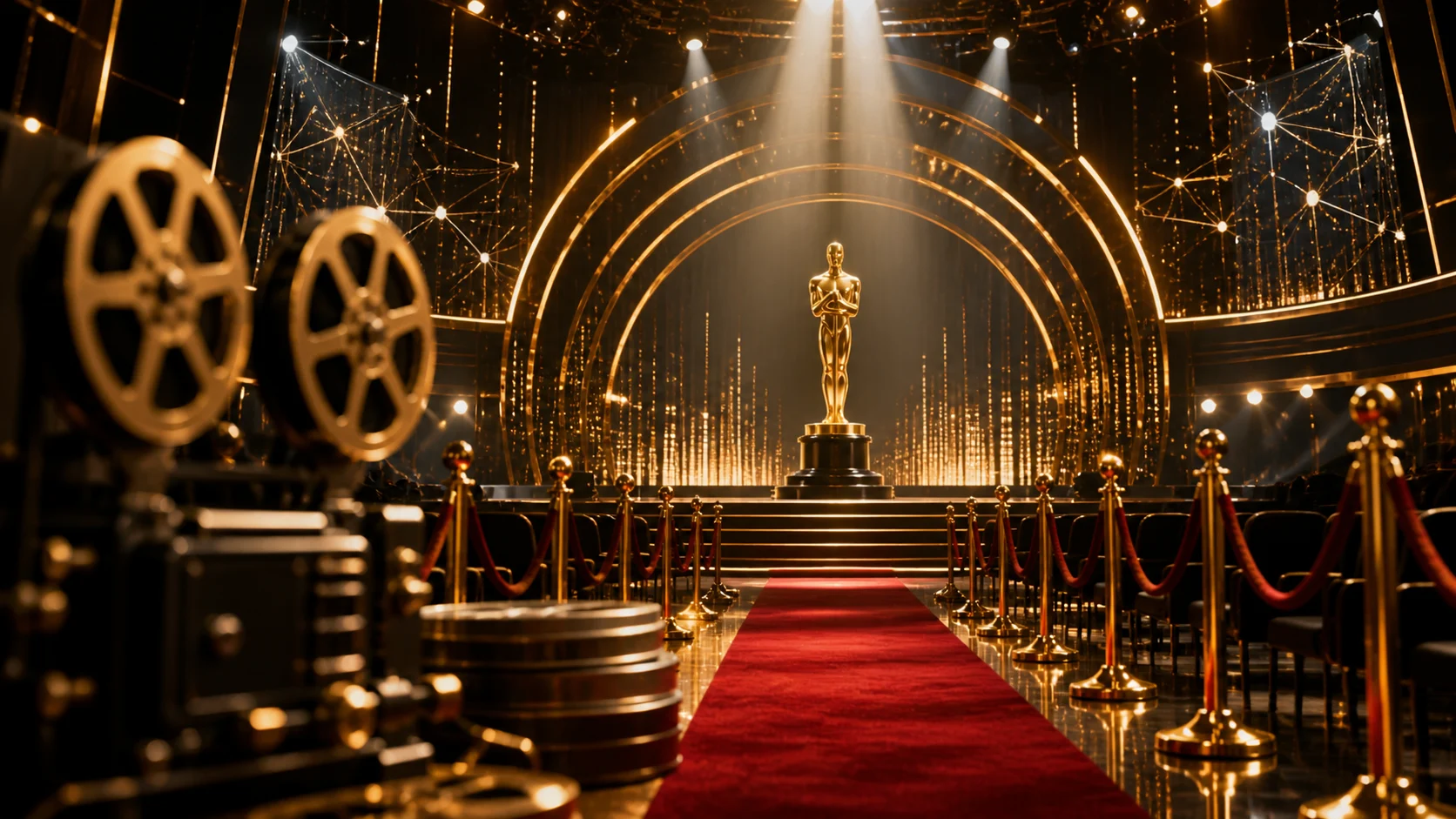
The Oscars 2026 reject AI actors and scripts debate has instantly become one of the hottest conversations in global entertainment. Hollywood has always been a place where innovation meets storytelling, but this time the line between creativity and technology is being drawn more clearly than ever. The Academy’s latest stance sends a direct message to studios, producers, and tech companies that human artistry still matters at the highest level of cinema. In an era where artificial intelligence can generate faces, voices, scenes, and even entire screenplays, the Academy appears determined to protect the soul of filmmaking. That decision is now reshaping the future of movies worldwide.
For years, AI has been quietly entering the entertainment industry through editing tools, visual effects workflows, dubbing systems, and predictive analytics. But recent breakthroughs in generative AI made the conversation much bigger. Suddenly, studios were experimenting with AI-generated scripts, digital performers, synthetic voices, and virtual replicas of real actors. Some viewed this as progress, while others saw it as a threat to jobs, originality, and artistic identity. The Oscars stepping in during 2026 means the debate has officially moved from theory to policy.
This decision is not just about trophies. It is about what qualifies as art in the modern age. It is about whether a machine can truly perform, whether algorithms can write emotional dialogue, and whether audiences still value human struggle behind every great performance. With one announcement, the Academy has pushed the film industry into a deeper cultural battle. And now, everyone from indie filmmakers to billion-dollar studios must pay attention.
Why the Oscars 2026 Decision Matters
The Academy Awards are more than an annual ceremony. They represent prestige, legacy, and the gold standard of cinematic recognition. Winning or even being nominated for an Oscar can transform careers, boost box office revenue, and define the historical importance of a film. When the Academy sets rules, the industry listens. That is why the Oscars 2026 reject AI actors and scripts decision carries serious weight.
For many studios, awards season influences production strategy. Films are often developed specifically to compete for Oscars, from casting choices to release dates. If AI-generated performances or scripts are no longer eligible, it changes how studios invest in technology-driven filmmaking. Instead of replacing creatives, many companies may now rethink how AI can support rather than dominate production.
This also matters for unions and workers. Hollywood has already experienced tension around AI during recent labor strikes involving actors and writers. Concerns over digital likeness rights, script automation, and fair compensation became major headlines. The Academy’s position indirectly supports the value of human talent, which could strengthen future negotiations across the entertainment industry.
Most importantly, audiences are watching. Movie fans still connect deeply with authentic performances, emotional writing, and real human stories. The Academy may be responding not only to industry pressure, but also to public skepticism about machine-made cinema.
The Rise of AI in Hollywood
To understand why this happened, it helps to look at how fast AI entered filmmaking. Just a few years ago, AI tools were mainly used behind the scenes. Editors used smart software to organize footage. Marketing teams used algorithms to predict audience preferences. VFX teams relied on machine learning for cleanup and enhancement work. These uses were mostly accepted because they improved efficiency.
Then generative AI changed everything.
Now AI can create photorealistic humans, clone voices, generate scripts in seconds, storyboard scenes instantly, and even animate performances from text prompts. What once took teams of artists weeks could suddenly be attempted in hours. This excited investors and executives who saw lower costs and faster production cycles.
But creators saw another side.
Actors worried their faces could be scanned once and reused forever. Writers feared formula-driven scripts would replace nuanced storytelling. Directors questioned whether originality could survive if everyone used the same datasets and prompts. Designers worried their visual styles were being copied without permission.
The Academy’s 2026 stance reflects this broader anxiety. Hollywood loves innovation, but it also knows that too much automation can hollow out the very craft audiences pay to experience.
Why AI Actors Are So Controversial
The phrase AI actor sounds futuristic, but versions of it already exist. Digital de-aging, dead actor recreations, body doubles, and synthetic crowd performers have all appeared in major productions. The issue becomes more serious when AI replaces an actual lead performance.
Acting is not just saying lines. It is emotion, timing, body language, vulnerability, instinct, and chemistry with other performers. Great acting often comes from lived experience and human unpredictability. Can a machine truly replicate grief, joy, heartbreak, fear, or subtle emotional contradiction? That remains highly debated.
There is also an ethical issue. If an actor’s likeness can be cloned, who controls it? Could studios own digital versions of stars indefinitely? Could unknown performers lose jobs because cheaper synthetic alternatives are available? These questions are not theoretical anymore.
By rejecting AI actors for Oscar eligibility, the Academy appears to be saying that performance awards should honor actual human performers, not software outputs. That preserves the meaning of categories like Best Actor and Best Actress in a time of rapid change.
Why AI Scripts Trigger Strong Reactions
Screenwriting may be even more sensitive than acting. Stories shape culture. Dialogue creates iconic moments. Characters influence generations. Many writers believe scripts come from human observation, emotional pain, humor, memory, and perspective. These are difficult qualities for AI to authentically possess.
AI can mimic structure well. It can generate three-act arcs, dramatic beats, genre tropes, and polished formatting. But critics argue it often lacks genuine depth. It may remix what already exists rather than invent something truly new. That creates a risk of storytelling becoming repetitive and emotionally flat.
Another major issue is training data. Many AI writing systems learn from massive archives of books, scripts, articles, and online content. Writers ask whether their original work was used without consent to train tools that may now compete against them.
When the Oscars 2026 reject AI actors and scripts conversation exploded, many writers celebrated it as a defense of creative labor. If awards are meant to celebrate excellence in storytelling, then honoring machine-generated scripts could undermine the purpose of screenwriting recognition.
How Studios May Respond
This decision does not mean studios will abandon AI. It means they may use it more strategically.
Expect studios to continue using AI in areas such as:
Pre-Production Tools
- Scheduling and budgeting
- Location planning
- Storyboard assistance
- Script breakdown automation
Post-Production Support
- Color correction assistance
- Subtitle translation
- Sound cleanup
- VFX workflow acceleration
Marketing and Analytics
- Trailer testing
- Audience targeting
- Demand forecasting
These applications help efficiency without replacing core human artistry. In fact, many studios may now market films as “human-made” or “crafted by real creatives” to align with audience sentiment.
At the same time, some companies may test hybrid models where humans lead creative roles while AI assists in technical execution. That could become the new middle ground.
What This Means for Actors
For performers, the Academy’s move feels significant. It reinforces the idea that acting remains a human craft worthy of protection. Stars, character actors, stunt performers, voice artists, and newcomers alike may gain leverage when negotiating digital rights.
We may also see more contracts specifically covering:
- Face scans and body scans
- Voice cloning permissions
- AI-generated reshoots
- Digital doubles
- Future use of likeness after project completion
This could become standard industry language. Actors no longer need to think only about salary and billing. They now need to think about data ownership.
For younger performers entering Hollywood, authenticity may become an even stronger personal brand. Being real, emotionally skilled, and uniquely human could be more valuable than ever.
What This Means for Writers
Writers are likely to view this moment as symbolic validation. Storytelling is still seen as a human discipline, not just a content pipeline. While AI tools may help brainstorming or formatting, the Academy’s stance suggests original authorship matters.
That could lead to stronger demand for:
- Distinctive voices
- Personal storytelling
- Bold original screenplays
- Adaptations with clear creative vision
- Dialogue rooted in lived experience
Ironically, the rise of AI may make deeply human writing more premium than ever before.
Audience Reaction Could Shape the Future
The market often decides faster than institutions do. If audiences reject obviously AI-generated films, studios will adapt quickly. If viewers embrace them, pressure will grow to reconsider current rules.
Right now, many audiences remain curious but cautious. People enjoy AI-assisted tools in daily life, but movies are emotional experiences. Fans often want to know there were real artists behind the work. They want to admire performances, celebrate writing, and connect with creators.
Cinema has always sold more than visuals. It sells meaning.
That is why the Oscars decision may resonate with the public. It protects the idea that movies are made by people with stories to tell, not just systems trained to simulate them.
Could the Rules Change Again Later?
Absolutely. Technology evolves fast, and institutions often update standards over time. What feels unacceptable today may become normal tomorrow if legal, ethical, and artistic concerns are solved.
Possible future scenarios include:
Partial AI Eligibility
Human-led projects using limited AI assistance could qualify.
New Award Categories
The Academy could create categories for innovation in AI-assisted filmmaking.
Disclosure Rules
Films may need to publicly state how AI was used in production.
Human Majority Standards
Projects may qualify only if key creative roles remain human-led.
So while the Oscars 2026 reject AI actors and scripts headline sounds definitive, it may actually be the first chapter of a much longer evolution.
Hollywood’s Bigger Identity Crisis
This debate is not only about technology. It is about what Hollywood wants to become.
Does the industry prioritize speed, cost savings, and endless scalable content? Or does it defend craftsmanship, risk-taking, and personal expression? Can both coexist? That tension now defines the next era of entertainment.
Streaming already changed how movies are made and consumed. Social media changed promotion. Global markets changed casting and genre strategy. AI may be the biggest disruption yet because it touches the creative core itself.
The Academy’s 2026 move suggests that while tools may evolve, authorship still matters.
Why This Is a Gen Z Conversation Too
Younger audiences grew up with digital culture, filters, virtual influencers, and algorithmic feeds. They are not automatically anti-AI. But Gen Z also values authenticity, transparency, and creator identity. That creates an interesting paradox.
Many young viewers love innovation but hate fakery.
They may enjoy AI visual tools, but still want to know when art is machine-generated. They may use AI apps daily, but still support real artists getting paid fairly. This generation can appreciate tech while demanding ethics.
That makes Gen Z one of the most important demographics in deciding whether AI cinema succeeds long term.
The Business Impact of Oscar Eligibility
Awards matter financially. Oscar buzz can increase ticket sales, streaming views, licensing value, and international attention. If AI-heavy films are blocked from major categories, investors may reconsider betting fully on automated productions.
Studios chasing prestige will likely keep human stars, human writers, and recognizable directors at the center of projects. AI may remain in the toolbox, but not the driver’s seat.
That could slow aggressive automation in premium cinema while accelerating it in lower-cost content markets like ads, short-form media, and experimental projects.
Final Thoughts
The Oscars 2026 reject AI actors and scripts decision is more than an entertainment headline. It is a cultural marker showing that even in the age of algorithms, human creativity still carries unmatched value. The Academy is effectively saying that cinema is not just about producing images or assembling dialogue. It is about human experience translated into story.
AI will not disappear from Hollywood. In fact, it will likely become even more powerful. But the message from this moment is clear: tools can assist, yet artistry must lead. The industry now faces the challenge of integrating innovation without losing identity.
For actors, writers, directors, and audiences, this is a reminder that technology can enhance cinema, but it cannot replace the emotional electricity of people creating for people. At least for now, the gold statue still belongs to humans.