

MiniMax H3 AI Video Raises the Sound Bar
 Vortixel
14 minutes read
Vortixel
14 minutes read
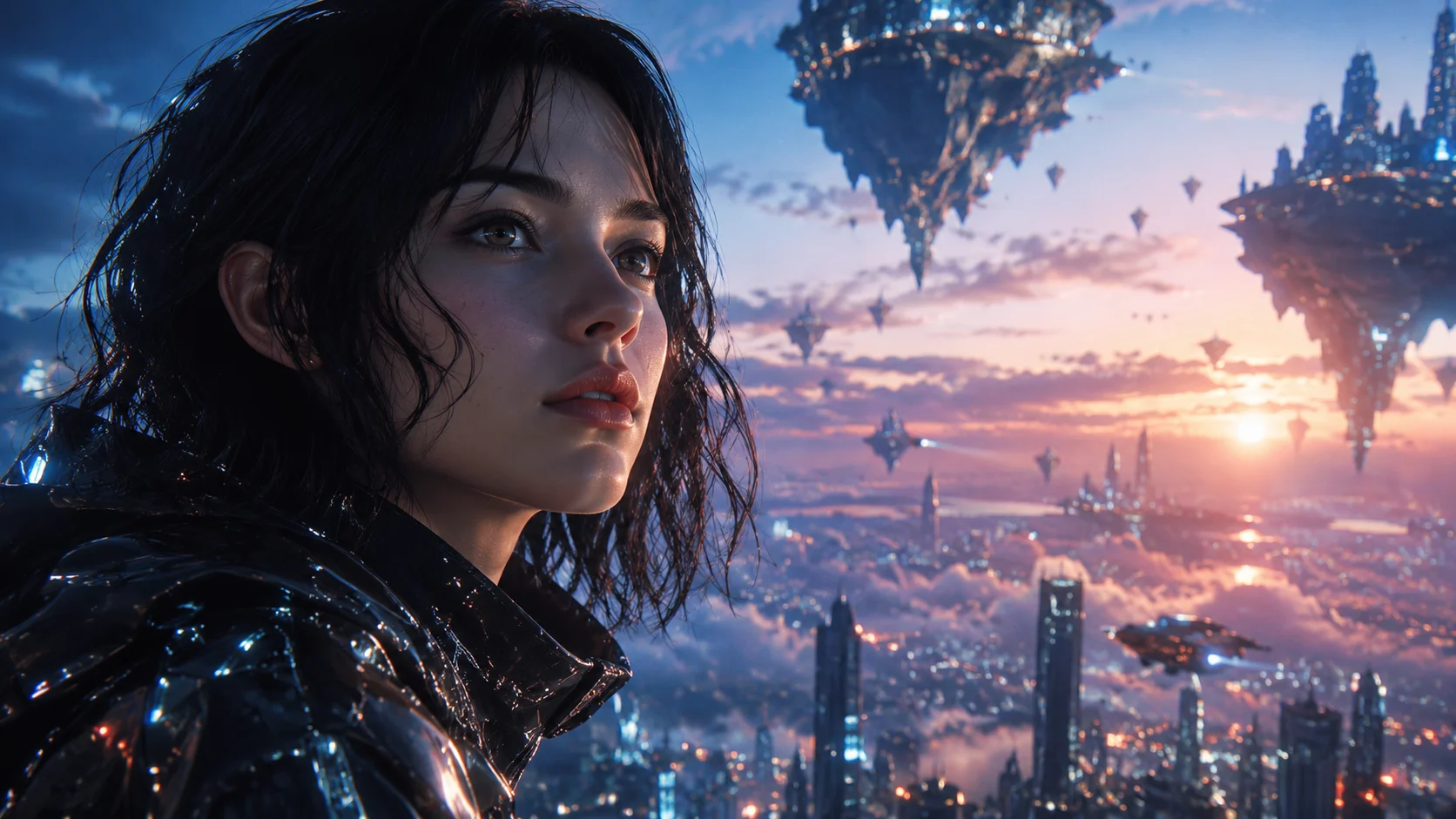
The race for generative video just got louder, sharper, and a lot more interesting. MiniMax H3 AI video is arriving at a moment when creators are no longer impressed by pretty motion alone, because the next question is always whether the scene can feel alive. A short clip with smooth camera movement is cool, but a short clip with native stereo sound, better resolution, tighter multimodal control, and editable motion starts to feel like a real production tool. That is why MiniMax H3 lands less like another model update and more like a signal that AI video is moving from visual trick to creative pipeline. For anyone watching the future of digital storytelling, the message is clear: video generation is no longer just about what AI can show, but what it can stage, sync, remix, and make usable.
MiniMax H3 enters the scene with a strong promise: generate videos up to 15 seconds in 2K resolution with native stereo sound. That detail matters because most AI video conversations have been obsessed with image fidelity, prompt accuracy, character consistency, and cinematic camera language, while sound often sits off to the side as an afterthought. In practical creative work, though, audio is never just decoration. A footstep, a crowd murmur, a small room tone, or a sudden shift in stereo space can change whether a clip feels like a concept test or a finished piece. By pushing audio and video closer together, MiniMax is leaning into the idea that the next breakthrough in AI visuals may be audiovisual, not purely visual.
Why MiniMax H3 AI Video Feels Different
The biggest shift with MiniMax H3 AI video is that it is built around multimodal context rather than a narrow text-to-video workflow. The model is designed to understand text, images, video, and audio as part of the same creative instruction space, which opens the door to more flexible production. A creator can start with a written idea, bring in an image reference, add motion direction, and work with audio cues without treating each layer as a totally separate task. That kind of workflow matters because real visual production is messy, layered, and iterative. The strongest tools are not the ones that only generate something impressive once, but the ones that can keep responding as the idea changes.
In older AI video workflows, a creator often had to generate a clip, export it, fix it somewhere else, add sound in another tool, and then repeat the whole process when the output felt slightly off. That made experimentation possible, but it also made creative direction feel fragmented. MiniMax H3 points toward a more connected setup where references, instructions, and revisions can live closer together. This is important for designers, editors, content studios, and digital artists who need speed without giving up control. When a model can interpret different media types in one context, it starts to behave less like a novelty generator and more like a creative assistant sitting inside the production timeline.
The 2K Resolution Moment Is About Trust
Resolution is not everything, but it still changes how seriously people treat a video model. A 2K output gives creators more room to crop, polish, reframe, and publish across platforms without the clip immediately feeling like a low-resolution experiment. For social video, brand visuals, concept trailers, mood films, and short cinematic sequences, that extra clarity can make the difference between “interesting demo” and “usable asset.” It also raises expectations around texture, lighting, edge detail, and scene coherence. When viewers can see more, they can also notice more, so a higher-resolution model has to carry more responsibility.
The interesting part is that 2K does not only serve professional studios. Independent creators, small agencies, game artists, and visual bloggers also benefit because they can create stronger drafts without needing a full production crew. A solo creator can now imagine a product reveal, a fictional city shot, a surreal fashion scene, or an atmospheric music visual with a sharper base image than earlier tools often allowed. That does not mean the output is automatically perfect, because AI video can still struggle with logic, continuity, hands, physics, and object permanence. But higher resolution gives the creative process a better starting point, and better starting points usually lead to faster finishing work.
Native Stereo Sound Changes the Mood
The native stereo sound feature is the detail that makes MiniMax H3 feel especially relevant for the future of visual entertainment. Sound has always been one of the fastest ways to make a scene believable, even when the viewer does not consciously analyze it. A silent AI-generated street scene can look polished but still feel empty, while a street scene with layered traffic, footsteps, room tone, and directional sound can feel instantly more grounded. Stereo audio also gives a clip spatial personality, which matters for cinematic storytelling and immersive digital experiences. It suggests that AI video tools are beginning to understand that realism is not only about pixels, but also about presence.
This is especially important for short-form storytelling because most clips need to communicate emotion almost immediately. A 15-second AI video does not have the luxury of slow narrative buildup, so every sensory cue has to work harder. If the audio is generated with the scene instead of attached later, the result can feel more unified and less like a silent render with a random sound effect pack dropped on top. Creators making ads, teasers, social content, experimental films, and animated loops could use this to move from raw generation toward mood-first production. In a world where attention is brutal and scrolling is instinctive, sound can be the hook that makes a visual stop feeling disposable.
Multimodal Editing Could Be the Real Story
The generation headline is exciting, but the editing potential may be where the real industry shift happens. MiniMax H3 can work with existing content and use different types of reference material, which means creators are not limited to starting from a blank prompt. That is a huge deal because most professionals do not simply want a random beautiful clip. They want to revise a shot, match a mood board, adjust a movement, keep a character direction, or translate a rough concept into something closer to a finished scene. Editing is where AI video becomes less about surprise and more about control.
One of the most interesting capabilities is movement transfer, where motion from one video can influence another. This points toward a future where dance, action, product motion, camera rhythm, and physical gestures can become reusable creative references. A designer could imagine using a reference clip to guide the movement of a digital object, a character, or a stylized scene without rebuilding the motion manually. For digital art and motion design, that kind of control could become a major shortcut. It also raises big creative questions about originality, consent, and style ownership, because motion itself may become part of the remix economy.
Open Weights Could Shift the AI Video Culture
Another major part of the MiniMax H3 story is the plan to make the model weights available. In the AI world, open weights can change a model from a product into a platform. Developers, researchers, studios, and experimental creators can download, adapt, test, and customize the underlying system instead of only accessing it through a closed interface. That matters because AI video has often been locked behind polished web tools, limited credits, and controlled outputs. If open-weight video generation becomes more common, creative communities may start building workflows that are more personal, more specialized, and more unpredictable.
For the Artificial Intelligence space, this could push competition beyond who has the flashiest demo. Open-weight culture often moves faster because users find strange edge cases, build custom versions, create plug-ins, compare outputs, and pressure-test limitations in public. That can accelerate innovation, but it can also make safety, copyright, moderation, and deepfake concerns more complicated. The same freedom that lets a small studio customize a cinematic model can also make misuse harder to control. MiniMax H3 therefore sits inside a bigger debate about whether the future of AI video should be closed, open, or somewhere carefully in between.
China’s AI Video Race Is Getting Serious
MiniMax is part of a broader wave of Chinese AI companies trying to compete in foundation models, creative AI, and multimodal systems. The AI video market is crowded, with major players fighting for attention through realism, speed, length, cost, prompt control, and editing features. MiniMax H3 arrives in a field where domestic rivals and global platforms are all trying to define what “production-ready” AI video actually means. That competition is good for creators because it forces tools to improve faster and become more affordable. It also means no single company can assume that a strong demo will keep the market’s attention for long.
The pressure is especially intense because AI video is now tied to advertising, entertainment, gaming, social media, education, and virtual production. A model that can produce convincing short clips is not just competing with other AI tools. It is competing with stock footage libraries, motion graphics templates, freelance editing services, previsualization software, and even parts of traditional animation workflows. When a new model offers higher resolution, native audio, and multimodal editing, it threatens to collapse several steps into one creative system. That is why MiniMax H3 feels like a product launch and a market signal at the same time.
What It Means for Creators and Designers
For creators, the practical value of MiniMax H3 will depend on how reliably it performs beyond the best showcase clips. The dream is obvious: type or assemble a concept, provide references, generate a sharp audiovisual clip, edit the movement, and publish or refine the result with fewer handoffs. That could help creators build pitch videos, product visuals, campaign teasers, music loops, game cutscene concepts, and social-first storytelling pieces much faster. It could also help designers test visual direction before investing in full production. The biggest win is not replacing creative taste, but giving taste more room to move quickly.
Still, creators should not treat AI video as magic just because the output looks cinematic. A good clip still needs a concept, pacing, emotional intention, visual hierarchy, and a reason to exist. MiniMax H3 may generate motion and sound, but the creator still has to decide whether the scene communicates anything meaningful. That is where human direction becomes more important, not less. As the tools become more powerful, weak ideas will become easier to produce, but strong ideas will become easier to prototype, sharpen, and scale.
The Impact on Visual Entertainment
Visual entertainment is likely to feel the impact of models like MiniMax H3 before many traditional industries fully understand what changed. Short trailers, character teasers, fan-made scenes, surreal edits, animated social clips, and concept-driven music visuals are already perfect testing grounds for generative video. These formats do not always require long narrative continuity, which makes 15-second high-impact clips incredibly useful. Native stereo sound adds another layer because entertainment content often lives or dies by atmosphere. A creator who can generate a mysterious alley, a futuristic concert stage, or a dreamy animated landscape with audio baked into the mood has a stronger storytelling tool than a silent image-to-video render.
There is also a big opportunity for previsualization, where filmmakers, game developers, and creative directors sketch scenes before committing to expensive production. AI video can help teams explore camera movement, tone, lighting, and rhythm in the early phase of a project. It will not replace the discipline of final filmmaking, but it can make the planning stage more visual and more accessible. Smaller teams may use it to communicate ideas that would have been too expensive to mock up before. Larger teams may use it to generate more options before choosing the direction that deserves real production resources.
The Risks Are Just as Real as the Hype
Every major leap in AI video brings a familiar set of concerns, and MiniMax H3 is no exception. Better resolution, sound, and editing can improve legitimate creative work, but they can also make synthetic media more convincing. The more natural AI video becomes, the harder it gets for everyday viewers to quickly decide what is real, staged, edited, or fully generated. This is not only a technical issue, because it affects trust in media, public communication, celebrity likeness, political content, and brand safety. The industry will need stronger labeling, detection, provenance tools, and creative ethics if audiovisual generation keeps advancing this quickly.
There is also the copyright and consent problem. If a model can use reference videos, transfer movement, and generate output based on mixed media inputs, creators will need clearer rules around what can be used responsibly. A reference is not always neutral, especially when it includes a person’s body movement, a recognizable artistic style, a brand identity, or a copyrighted scene. Responsible creators will need to think about permission, transformation, and context before turning every influence into a prompt ingredient. The future of AI video will not only be shaped by model quality, but by whether the creative culture around it matures fast enough.
Practical Insights for Creative Teams
Creative teams looking at MiniMax H3 should start by thinking in workflows, not just outputs. The smartest use case is not asking the model to replace an entire production, but identifying where it can remove friction from the process. It may be useful for mood exploration, early storyboards, motion reference testing, short ad variations, pitch decks, social campaign concepts, and experimental digital art. Teams should build a clear review system so that every generated clip is judged for brand fit, factual risk, visual quality, and rights concerns. That kind of structure keeps AI from becoming a chaotic content machine and turns it into a controlled creative accelerator.
Prompting will also become more like directing. Instead of writing a vague sentence and hoping for a good result, creators will need to think about camera language, audio mood, subject behavior, scene continuity, lighting style, and emotional pacing. Because MiniMax H3 understands multiple media types, the best results may come from combining written direction with strong visual and motion references. This makes the creative role more strategic because the human has to assemble the right ingredients. The better the direction, the more useful the model becomes.
Why This Matters for Digital Art
For digital artists, MiniMax H3 represents both a tool and a challenge. On one hand, it creates new possibilities for turning still concepts into moving audiovisual pieces without needing a full animation setup. A painter, collage artist, 3D designer, or visual storyteller could use it to extend a mood, animate a world, or experiment with motion language. On the other hand, it also increases the volume of synthetic visuals online, which can make original artistic identity harder to protect and harder to notice. The artists who stand out will likely be the ones who use AI as part of a recognizable creative voice, rather than letting the model’s default beauty become the whole point.
This is where digital creativity gets more interesting. AI video tools can produce polished scenes, but they do not automatically produce taste, cultural context, or personal obsession. The strongest artists will use tools like MiniMax H3 to build worlds that feel specific, not generic. They may combine hand-made elements, personal archives, 3D assets, photography, sound design, and model-generated motion into hybrid pieces. In that future, the question will not be whether a work used AI, but whether the artist used it with intention.
The Bigger Trend: AI Video Becomes a Stack
The release of MiniMax H3 fits into a bigger shift where AI video is becoming a stack of connected abilities. Text-to-video was the first headline, but now the market is moving toward image-to-video, video-to-video, reference-based generation, motion transfer, sound generation, editing, character control, and open customization. This is the natural evolution of a creative technology after the first wave of shock wears off. People stop asking whether the model can make something cool and start asking whether it can support a real workflow. MiniMax H3 matters because it speaks directly to that second question.
The next phase will likely be defined by reliability. Creators will want fewer broken limbs, fewer strange physics problems, fewer random object changes, better continuity, and more predictable revisions. They will also want faster generation, lower cost, clearer rights, and smoother integration with editing software. If MiniMax H3’s open-weight direction encourages broader experimentation, the surrounding ecosystem could become just as important as the model itself. The winner in AI video may not be the company with the most viral launch clip, but the one that becomes easiest to build with every day.
Conclusion: MiniMax H3 Raises the Creative Stakes
MiniMax H3 AI video is important because it captures where generative media is clearly heading: sharper visuals, native sound, multimodal control, editable motion, and more open experimentation. Its 2K video output and stereo audio make the model feel aimed at creators who need atmosphere, not just motion. Its ability to work across text, images, video, and audio suggests a future where AI tools understand creative direction in layers. Its open-weight plan could push video generation into a more customizable and community-driven era. The hype is real, but so are the questions around trust, consent, originality, and responsible use.
The real story is not that AI can generate another short clip. The real story is that short clips are becoming richer, more controllable, more audiovisual, and more connected to professional creative workflows. MiniMax H3 shows that the next chapter of visual technology will not be won by visuals alone. It will be won by tools that understand timing, sound, motion, reference, revision, and creative intent. For Visual Vortixel readers watching the future of AI and visual technology, this is exactly the kind of moment worth paying attention to.