

AI Filmmaking Enters the A24 Studio Era
 Vortixel
15 minutes read
Vortixel
15 minutes read
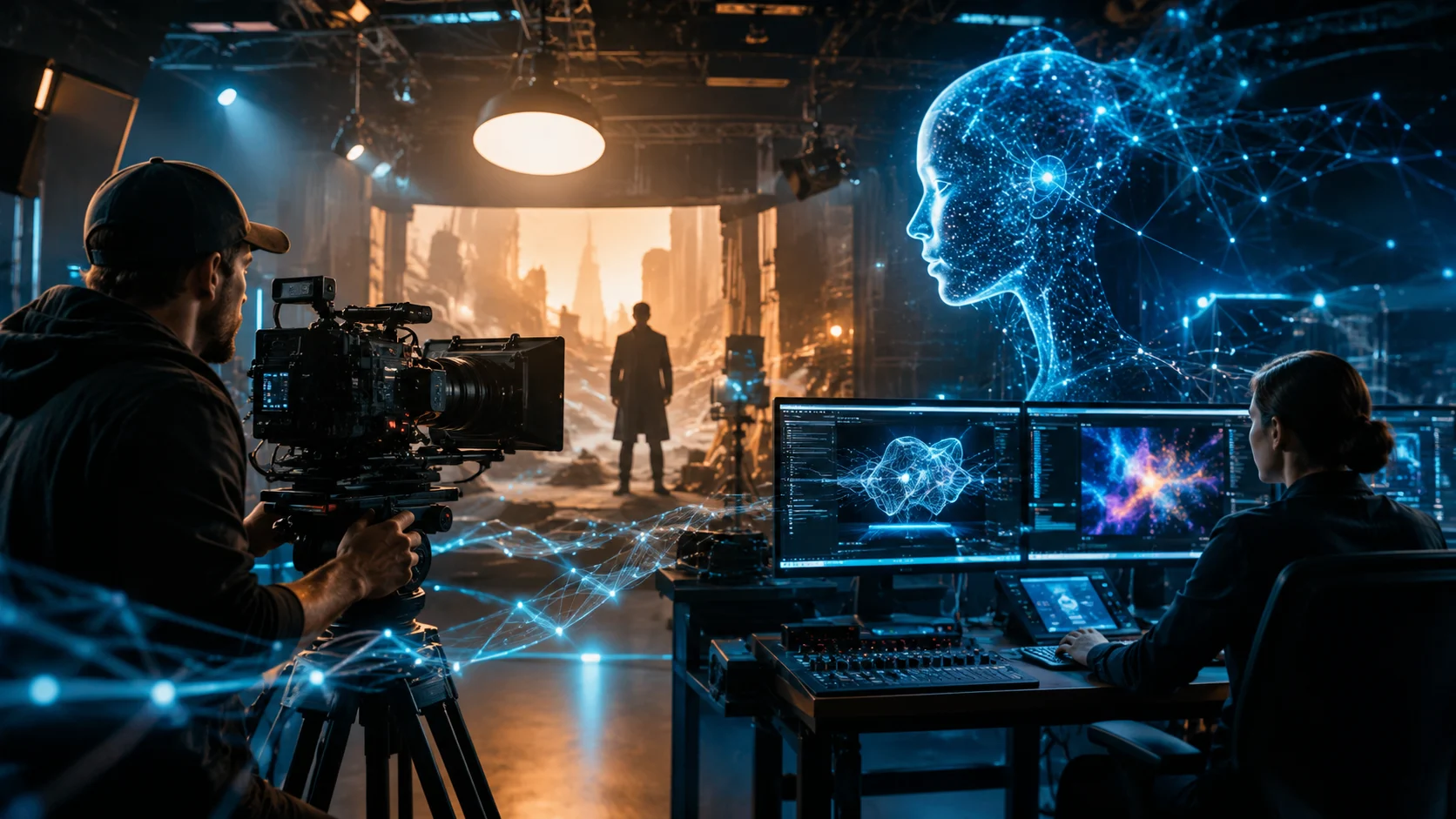
AI filmmaking just moved from industry gossip to studio strategy, and the latest signal is hard to ignore: Google DeepMind and A24 are stepping into the same room. For years, artificial intelligence hovered around Hollywood like a weird future nobody wanted to fully invite to set, useful for quick experiments but too loaded to touch in public. Now the conversation has changed because one of the most taste-driven studios in modern cinema is exploring how advanced AI can support filmmakers, creative teams, and new production workflows. A24 is not the kind of company people associate with generic tech hype, which is exactly why this partnership feels bigger than another corporate AI announcement. It lands at a moment when artists, studios, audiences, and software makers are all trying to decide whether AI is a creative shortcut, a production tool, a threat, or maybe all three at once.
The story is not just about a film studio using smarter software. It is about a studio known for bold visual identity, strange ideas, auteur energy, and cultural taste choosing to experiment with technology that many creatives still view with suspicion. That tension is the hook. A24 built its reputation by making films feel handcrafted, risky, and emotionally specific, while AI is often criticized for making images and stories feel averaged out. When those two worlds meet, the question becomes less about whether machines can create cinema and more about who gets to shape the tools before they shape the industry. For a site focused on AI filmmaking, visual technology, and digital creativity, this is one of the clearest signs yet that the future of entertainment will be negotiated inside the creative process, not outside it.
Why AI Filmmaking Suddenly Feels Real
Hollywood has already been using machine learning in quiet ways for years, from recommendation systems and localization to marketing analytics, restoration, rotoscoping, and visual effects support. What feels different now is the shift from back-office optimization to front-line creativity. Tools that once handled technical cleanups are now being imagined as collaborators in storyboarding, concept design, previsualization, editing, world-building, and production planning. That does not mean directors are being replaced by prompt boxes, but it does mean the shape of the filmmaking workflow is starting to change. The DeepMind and A24 move matters because it suggests that studios no longer want to simply buy finished AI tools; they want to influence how those tools are designed from the beginning.
That distinction is huge. A generic AI video product built for everyone might be fast, flashy, and impressive in a demo, but filmmaking is not a demo. Real film production is full of taste calls, budget pressure, emotional continuity, legal boundaries, union rules, actor performance, lighting logic, and hundreds of small creative decisions that cannot be solved by a single “generate” button. A studio-specific research partnership points toward tools that understand workflow rather than just output. In practical terms, that could mean AI that helps test scene ideas, map visual tone, explore alternate edits, organize research, visualize impossible shots, or support smaller teams before expensive production begins. It is less about replacing the director’s eye and more about giving that eye more ways to explore before the camera rolls.
A24 Is an Unusual Studio for This Moment
A24 is not a traditional studio brand, and that is why this development hits differently. The company became famous by backing films and series that feel specific, weird, intimate, stylish, and meme-ready without being manufactured for algorithms. Its name has become a kind of cultural label, signaling mood, taste, and creative risk as much as distribution. Whether audiences are talking about surreal multiverse chaos, tense horror, quiet character drama, or neon-soaked visual experiments, A24 often gets credit for making projects feel personal in an entertainment economy that can feel franchise-heavy. So when a studio with that kind of identity steps into AI research, it naturally sparks a debate about whether technology can protect creative independence or quietly sand down what made that independence interesting in the first place.
The strongest version of the argument in favor of the partnership is that A24 gets a seat at the table instead of waiting for outside companies to define the future of cinema tools. If AI is going to enter production pipelines anyway, filmmakers may be better off shaping it early rather than reacting after the tools are already standardized. That matters because a tool built with artists can look very different from a tool built only around scale, speed, and content volume. A24’s brand depends on taste, not just output, so it has an incentive to push for systems that support creative control rather than automated sameness. In that sense, this partnership could become a test case for whether AI filmmaking can be built around authorship instead of only efficiency.
DeepMind Brings Research Power, Not Just Hype
Google DeepMind’s role adds another layer because this is not just a software vendor selling a plug-in. DeepMind is tied to some of the most advanced AI research in the world, including systems that push boundaries in reasoning, simulation, multimodal understanding, and generative intelligence. Film is a uniquely hard creative environment for AI because it combines language, images, motion, sound, performance, timing, memory, and emotion. A tool that can make a beautiful frame is useful, but a filmmaking tool needs to understand why that frame belongs in a sequence. That is where research depth becomes important, because cinema is not a collection of disconnected images; it is a carefully built experience that depends on continuity, rhythm, tone, and intention.
The most interesting possibilities sit in the messy middle between pure automation and traditional craft. Imagine a director exploring visual references for a scene and instantly testing how different camera lenses, lighting moods, or production design choices might change the emotional read. Imagine a cinematographer using AI-assisted previsualization to compare blocking options before a complicated shoot. Imagine editors using intelligent tools to organize footage faster while still making the final creative decisions themselves. These are not sci-fi fantasies anymore; they are increasingly plausible extensions of existing creative software. The real challenge is building them in a way that respects the people who make films instead of treating their taste as training data to be mined.
The Creative Backlash Makes Complete Sense
It would be unrealistic to talk about this partnership without talking about the backlash. Many artists and film fans are tired of hearing that AI is simply a helpful assistant when they have watched creative labor get undervalued for years. Writers, actors, designers, animators, editors, illustrators, and VFX workers have all seen how quickly executives can turn “support tool” language into cost-cutting language. That skepticism is not paranoia; it comes from real pressure inside creative industries where budgets are tight and speed is often valued more than care. When a beloved studio embraces AI research, even carefully, people naturally wonder whether this is the start of a smarter workflow or the beginning of another fight over creative labor.
The emotional reaction also comes from A24’s reputation. Fans do not treat A24 like a faceless media company, which means they hold it to a different standard. The studio’s audience expects taste, risk, and human weirdness, not sterile optimization. That makes AI feel like a contradiction, especially when the technology is often associated with derivative images, deepfakes, copyright disputes, and low-effort content farms. Still, the backlash itself proves why the partnership matters. If the most trusted creative brands cannot experiment with AI without public pressure, then any future version of AI filmmaking will need transparency, boundaries, and visible respect for human artists from day one.
What AI Could Actually Do Inside a Studio
The most practical use cases are likely to appear before production, where experimentation is expensive but mistakes are still easier to fix. Previsualization is one obvious area because filmmakers often need to test shots, sequences, environments, and visual tone long before sets are built or actors arrive. AI could help teams move from script pages to rough visual sequences faster, giving directors, cinematographers, production designers, and producers a shared reference point earlier in development. It could also help smaller projects communicate ambitious ideas without needing huge concept-art budgets upfront. Used responsibly, that kind of tool could make filmmaking more accessible instead of only making large studios more efficient.
Another major area is visual development. Mood boards, character references, environment sketches, lighting studies, and design explorations already shape how films come together. AI can accelerate early exploration, but the key word is early. A generated concept should not replace the production designer, illustrator, or costume team; it should help them move through options faster and make stronger decisions. The danger comes when rough visual exploration is mistaken for finished artistry. A studio like A24, which depends heavily on visual identity, will need to prove that AI tools can support taste rather than flatten it into the most obvious version of a style.
Editing and post-production may also become a serious testing ground. AI can already help with transcription, search, cleanup, subtitling, color assistance, audio repair, and version management. The next wave could help editors find emotional beats, compare takes, organize footage by performance detail, or create quick assembly options for review. That does not mean the machine understands cinema the way an editor does, but it can reduce the time spent digging through material. In a world where production teams are expected to move quickly across theatrical, streaming, social, and international formats, that kind of support could become valuable. The deeper question is whether speed will give artists more breathing room or simply raise expectations until everyone is working faster for the same reward.
Why Visual Technology Is the Real Battleground
Film has always been shaped by technology, even when the final result feels timeless. Sound, color, digital editing, CGI, motion capture, virtual production, LED volumes, and real-time engines all changed what audiences expected from moving images. AI is different because it does not only change the tools; it challenges the authorship behind the tools. A camera captures, a render engine calculates, and editing software organizes, but generative AI can propose. That ability to propose images, cuts, environments, and creative directions is why the debate feels so intense. Visual technology is no longer just about making images sharper or cheaper; it is about deciding how much creative suggestion should come from a machine.
This is why the A24 and DeepMind partnership belongs in the wider conversation around Artificial Intelligence, design, digital art, and visual entertainment. The future is not only about movies. The same workflows could influence advertising, music videos, fashion campaigns, game cinematics, immersive installations, streaming promos, virtual influencers, and interactive storytelling. Once a studio-level AI workflow proves useful, creative software companies will adapt similar ideas for broader markets. That means independent creators may eventually get access to tools that were once possible only inside well-funded production environments. The technology could widen the creative playing field, but only if access, rights, and ethical guardrails are handled seriously.
The Business Pressure Behind the Creative Shift
There is also a business reason this move is happening now. Film and television production costs remain intense, audience behavior keeps changing, and streaming economics are still unstable. Studios are looking for ways to develop projects smarter, manage risk earlier, and stretch budgets without losing visual ambition. AI promises faster iteration, cheaper prototypes, and more flexible creative planning, which makes it attractive even to companies that care deeply about artistry. The risk is that business leaders hear “faster” louder than they hear “better.” If the technology becomes mainly a way to pressure teams into doing more with less, the creative backlash will only grow stronger.
A24’s position is especially interesting because it sits between indie credibility and serious commercial expansion. The studio has grown far beyond being a niche distributor, but its brand still depends on feeling selective and culturally sharp. That creates a strange balancing act. It needs to compete in an entertainment landscape increasingly shaped by tech money, platform logic, and global content pipelines, while still protecting the aura that makes people care about its logo in the first place. Partnering with DeepMind could help A24 build tools that match its creative identity instead of borrowing generic systems from outside vendors. But the studio will have to keep proving that the goal is better filmmaking, not simply faster content production.
What This Means for Filmmakers and Artists
For filmmakers, the practical takeaway is not to panic and not to ignore what is happening. AI will not make taste irrelevant, but it will change how taste gets expressed during development and production. Directors, writers, editors, designers, and cinematographers who understand these tools may gain new ways to communicate ideas, test options, and protect their vision. The artists who remain valuable will not be the ones who simply type prompts; they will be the ones who know what to ask for, what to reject, and how to turn raw output into a coherent artistic decision. In other words, human judgment becomes more important, not less, when the machine can generate endless possibilities.
For digital artists and creative technologists, this is also a signal to build more specialized skills. The next wave of visual production may need people who understand both cinematic language and AI systems. Someone who can translate a director’s emotional goal into a previsualization workflow will be more useful than someone who only knows how to make a cool image. Someone who understands lighting, composition, continuity, copyright, and model limitations will have an advantage over someone chasing trends. The opportunity is not just learning a tool, but learning how to make AI fit into a serious creative pipeline. That is where the real career shift may happen.
Practical Insights for Creative Teams
Creative teams watching this moment should start by separating experimentation from final production. AI can be powerful for brainstorming, research, style exploration, and visual planning, but every project needs clear rules about what can be generated, what can be used, and what must remain fully human-made. Teams should document workflows, keep track of generated material, and avoid mixing AI output into final assets without legal and artistic review. They should also involve artists early instead of dropping tools into a pipeline after decisions have already been made. The healthiest version of AI filmmaking will not come from replacing departments; it will come from letting departments define where automation genuinely helps.
Studios and agencies should also treat transparency as part of the product. Audiences are getting more sensitive to how images are made, especially when AI is involved. Hiding the process may protect a campaign for a week, but it can damage trust if people feel tricked later. Clear internal standards can prevent that mess before it starts. For example, a studio might allow AI-assisted storyboards but require human-designed final concept art, or use AI for rough edit searches while keeping editorial decisions fully human. The details will vary by project, but the principle is simple: the tool should serve the creative vision, not quietly redefine it behind the scenes.
The Cultural Stakes Are Bigger Than One Deal
The A24 and DeepMind partnership is not happening in a vacuum. Across entertainment, tech companies are moving closer to studios, studios are looking for new efficiencies, and audiences are becoming more aware of the invisible systems behind what they watch. This creates a cultural tension that cannot be solved with a press release. People want innovation, but they also want proof that creativity is not being hollowed out. They want better tools, but not a future where every movie feels like it was assembled from the same aesthetic database. That is why the most important question is not whether AI can help make films. The question is whether the industry can use AI without losing the human friction that makes films worth watching.
A24’s involvement makes this question sharper because the studio has benefited from audiences who care about voice. Its films often work because they feel slightly uncomfortable, emotionally specific, visually strange, or tonally risky. Those qualities are difficult to automate because they come from lived experience, artistic obsession, and creative conflict. AI can remix patterns, but great cinema often comes from breaking patterns at exactly the right moment. If DeepMind and A24 can build tools that help artists reach those moments faster, the partnership could become a meaningful creative experiment. If it turns into a branding layer for machine-made sameness, audiences will notice immediately.
How AI Filmmaking Could Redefine Visual Entertainment
The long-term impact could reach far beyond traditional film sets. As AI tools become more multimodal, creative teams may begin designing stories across formats from the beginning. A scene could be developed for a feature film, adapted into immersive experiences, turned into interactive marketing, and extended into game-like environments with less friction than before. Visual entertainment is already moving toward blended formats where cinema, games, social video, and virtual production overlap. AI could accelerate that blend by making it easier to move ideas between scripts, images, scenes, and experiences. This does not make storytelling easier, but it does make the canvas much larger.
That larger canvas will reward studios with strong taste even more. When tools become widely available, raw access stops being the advantage. Anyone can generate an image, but not everyone can build a visual world that feels memorable. Anyone can create a rough video, but not everyone can create rhythm, tension, character, and atmosphere. A24 understands this better than most because its brand is built on curation and tone. That may be why its AI move is so closely watched. The future of visual innovation may belong less to whoever has the biggest model and more to whoever knows how to direct the model toward something emotionally specific.
Conclusion: The Studio Era of AI Has Started
The DeepMind and A24 partnership marks a turning point because it brings AI filmmaking into a serious creative studio conversation. It is not just another experiment from a tech lab, and it is not just another Hollywood efficiency pitch. It is a public test of whether advanced AI can be designed around filmmakers instead of dropped onto them from above. The result will depend on boundaries, transparency, artistic leadership, and whether the tools actually help creative teams make stronger work. For now, the most honest read is this: the future of cinema will not be human versus machine, but human taste negotiating with machine capability.
That negotiation is only beginning, and it will probably get messy before it gets clear. Some artists will reject AI completely, some studios will overuse it, and some creators will find surprisingly thoughtful ways to fold it into their process. A24 and DeepMind are now part of that experiment, whether fans love it or hate it. What makes the moment important is not the promise of instant AI-made movies, but the possibility of new creative workflows that reshape how visual stories are imagined before they are produced. If the industry gets this right, AI filmmaking could become less about replacing imagination and more about expanding the space where imagination can move.