
Multimodal AI Sparks New Interactive Visual Era
 Vortixel
9 minutes read
Vortixel
9 minutes read
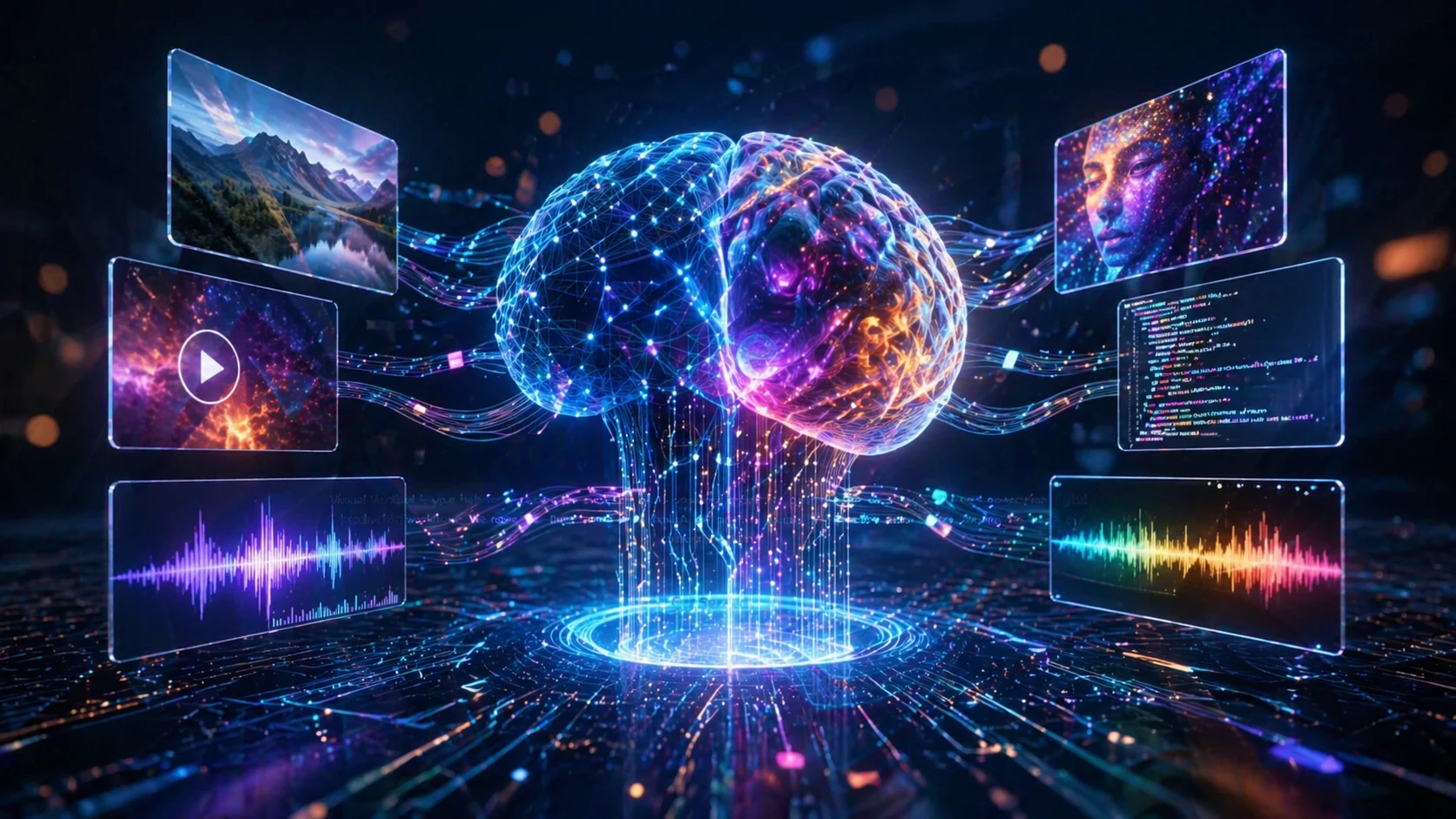
The digital world is moving fast, but Multimodal AI is moving faster. What once felt like futuristic hype has now become a real force changing how people create, search, learn, market, and experience visual content online. Across industries, from design studios and media companies to ecommerce brands and education platforms, a new generation of artificial intelligence is unlocking smarter, richer, and more interactive visual experiences. This shift is not just another tech trend. It is becoming the foundation of the next internet era.
For years, most AI tools were built around a single type of input. Some focused only on text, while others specialized in images, audio, or video. But today, the biggest innovation comes from systems that can understand multiple formats at the same time. That is exactly where Multimodal AI enters the conversation. These advanced systems can process text, images, sound, motion, and sometimes even live camera feeds simultaneously. The result is an AI experience that feels more natural, more useful, and dramatically more powerful.
This is why analysts and creators alike say Multimodal AI is driving a new interactive visual era. Instead of typing commands into static tools, users can now talk to AI, upload a photo, ask for edits, request captions, generate animations, and receive personalized outputs instantly. It is faster, more intuitive, and much closer to how humans naturally communicate. That shift matters more than many people realize.
What Is Multimodal AI and Why It Matters
To understand the scale of this change, it helps to define the term clearly. Multimodal AI refers to artificial intelligence systems trained to understand and generate information across different media types. That means text, image, audio, video, and structured data can all work together inside one model.
Imagine uploading a product photo, asking the AI to improve lighting, generate an ad caption, create a short promo video, translate it into five languages, and design a landing page concept. A few years ago, that required multiple apps, multiple experts, and hours of work. Today, one Multimodal AI workflow can handle much of it in minutes.
This matters because people do not think in isolated formats. Humans combine visuals, words, tone, movement, and context naturally. The more AI mirrors that process, the more useful it becomes in everyday life.
That is why major tech companies are investing heavily into Multimodal AI platforms. They see the future of computing moving beyond text chat into immersive digital assistance.
Why Interactive Visual Content Is Winning
Modern internet users scroll fast. Attention spans are short, competition is intense, and static content struggles to stand out. Brands, publishers, and creators need experiences that feel dynamic and personalized. This is where interactive visual content wins.
Interactive visuals keep people engaged longer. They improve understanding, increase clicks, and often convert better than plain text or static graphics. Think of product demos, smart image search, visual explainers, personalized videos, AI-generated previews, and responsive design tools.
Now combine that demand with Multimodal AI, and the possibilities expand quickly.
Instead of manually building interactive content piece by piece, creators can now generate custom visual experiences in real time. A travel site can show AI-powered destination previews based on user preferences. A fashion brand can let users upload selfies and preview outfits instantly. A learning platform can transform textbook content into animated visual lessons. These are not experiments anymore. They are active business strategies.
How Multimodal AI Is Changing Creative Industries
The creative world is one of the biggest winners in this transition. Designers, editors, photographers, animators, and marketers now have access to tools that accelerate production while expanding creative options.
1. Smarter Design Workflows
Graphic designers used to spend hours building rough concepts before presenting ideas. Now Multimodal AI can generate moodboards, layout suggestions, typography combinations, color systems, and image variants almost instantly.
That does not replace designers. It upgrades them. Instead of starting from zero, creatives start from momentum.
2. Faster Video Production
Video demand is exploding across TikTok, YouTube Shorts, Instagram Reels, and brand campaigns. But production takes time. Multimodal systems can now write scripts, generate scenes, add voiceovers, create subtitles, and recommend edits based on performance trends.
This means solo creators can move like studios.
3. Better Brand Storytelling
Modern audiences want consistency across every channel. AI can analyze brand voice, visual identity, and campaign goals to help teams create aligned assets across websites, ads, email, and social media.
That consistency drives trust, and trust drives results.
Ecommerce Enters the Visual AI Age
Online shopping is becoming more visual every year. Buyers want to see products from multiple angles, test use cases, compare styles, and receive recommendations quickly.
Multimodal AI is helping ecommerce brands meet those expectations.
Retailers now use AI to:
- Generate product images in different environments
- Create localized product descriptions
- Build virtual try-on experiences
- Answer customer questions with image understanding
- Recommend products based on uploaded photos
- Create personalized landing pages in real time
Imagine taking a screenshot of sneakers you like and asking an AI store assistant to find similar options in your budget. That kind of experience feels natural because it matches how people shop in real life.
This is why ecommerce leaders are investing aggressively in visual intelligence.
Education Gets More Engaging
Education platforms are also benefiting from Multimodal AI. Many students learn faster through visuals than long blocks of text. AI can now convert complex lessons into interactive diagrams, narrated animations, image explanations, and adaptive quizzes.
A biology student might upload a cell diagram and ask the AI to explain each organelle. A language learner can speak phrases aloud while the AI provides visual corrections and contextual examples. A history lesson can become an animated timeline.
This matters because engagement often decides learning outcomes.
The old model was content delivery. The new model is content interaction.
Search Is Becoming Visual First
Traditional search engines trained users to type keywords. But the next phase of search is becoming far more visual and conversational.
With Multimodal AI, users can:
- Search using photos
- Ask follow-up questions naturally
- Compare objects visually
- Get summaries from charts or screenshots
- Translate text from images instantly
- Understand products from packaging photos
This changes SEO, content strategy, and user behavior.
Brands that only optimize for text may miss future traffic opportunities. Companies now need image quality, structured data, visual relevance, and contextual content strategies.
The search bar is evolving into a camera, microphone, and assistant combined.
The Creator Economy Levels Up
Independent creators are one of the most interesting groups in this shift. Previously, creators needed separate tools for writing, thumbnails, video editing, sound cleanup, branding, and analytics. Now many of those functions are merging.
A solo creator can ideate content, generate visuals, edit clips, optimize titles, and localize content using one AI-powered ecosystem.
That means lower costs, faster execution, and more room for experimentation.
For Gen Z creators especially, speed matters. Trends move in hours, not weeks. Multimodal AI gives creators the ability to respond instantly with polished output.
That speed can define who grows and who gets left behind.
Business Marketing Becomes Hyper Personalized
Marketing has always chased personalization, but manual personalization does not scale well. AI changes that equation.
Using Multimodal AI, brands can tailor visuals, messages, offers, and experiences based on behavior, geography, device type, or interests. One campaign can become hundreds of personalized versions automatically.
Examples include:
- Different homepage visuals by user segment
- Dynamic ad creatives based on trends
- Personalized product explainers
- AI-generated email graphics
- Region-specific promotional videos
The result is stronger engagement and better conversion performance.
Consumers increasingly expect relevance. Generic marketing now feels outdated.
Challenges Still Exist
Despite the excitement, this technology is not perfect. Several real challenges remain.
Accuracy Issues
AI can still misunderstand prompts, generate errors, or misread context. Human review remains important.
Copyright and Ownership
As visual AI grows, debates continue around training data, artist rights, licensing, and fair compensation.
Deepfake Risks
Powerful image and video generation can be misused. Platforms and regulators are under pressure to build safeguards.
Job Anxiety
Many workers worry automation could reduce demand for creative roles. In reality, some jobs will change significantly, while new roles will emerge around AI direction, editing, strategy, and quality control.
The smartest approach is adaptation, not denial.
Why This Trend Feels Different
Tech trends come and go, but Multimodal AI feels different because it combines utility with scale. It is not just entertaining. It solves real workflow problems.
It saves time.
It lowers costs.
It expands access.
It increases output.
It improves user experience.
When technology delivers all five at once, adoption tends to accelerate quickly.
That is why startups, enterprise brands, educators, creators, and platforms are all moving in the same direction.
What Happens Next
The next wave of innovation will likely include:
Real-Time AI Visual Assistants
Assistants that see your screen, understand context, and help live while you work.
Interactive Shopping Worlds
Stores where AI builds personalized visual storefronts instantly.
AI-Powered Film Production
From scripting to scene generation to post-production assistance.
Smart Learning Companions
Tutors that combine speech, visuals, diagrams, and adaptive teaching styles.
Mixed Reality Integration
Multimodal systems powering AR glasses and immersive environments.
Once AI can understand the world through multiple senses, digital experiences become much more human-like.
What Brands Should Do Right Now
Businesses waiting too long may lose ground. Smart moves today include:
- Audit current visual content workflows
- Test AI design and media tools
- Improve image SEO and metadata
- Build faster creative pipelines
- Train teams on AI collaboration
- Focus on originality plus efficiency
This is not about replacing talent. It is about increasing capability.
Teams that learn early often dominate later.
Why Gen Z Is Fueling Adoption
Younger users are comfortable with rapid platform shifts, creator tools, short-form content, and hybrid media experiences. They do not separate text, video, memes, voice, and images the way older digital models did.
That makes Gen Z a natural driver of Multimodal AI adoption.
They expect instant editing, responsive interfaces, personalized visuals, and seamless creation tools. Companies targeting younger audiences need to understand this behavioral shift now.
The next generation does not want static media. They want living media.
Final Thoughts
Multimodal AI is not just another buzzword in the endless tech cycle. It represents a deeper change in how people interact with digital systems. By combining text, images, voice, video, and context into one intelligent layer, it is pushing the internet into a more visual, responsive, and interactive future.
For creators, it means speed and scale.
For brands, it means smarter engagement.
For educators, it means better learning tools.
For users, it means easier and richer experiences.
The rise of Multimodal AI is creating a new era where visuals are no longer passive content. They are becoming interactive experiences powered by intelligence.
And honestly, this shift is only getting started.