
Claude Design Shakes Visual Industry in 2026
 Vortixel
9 minutes read
Vortixel
9 minutes read
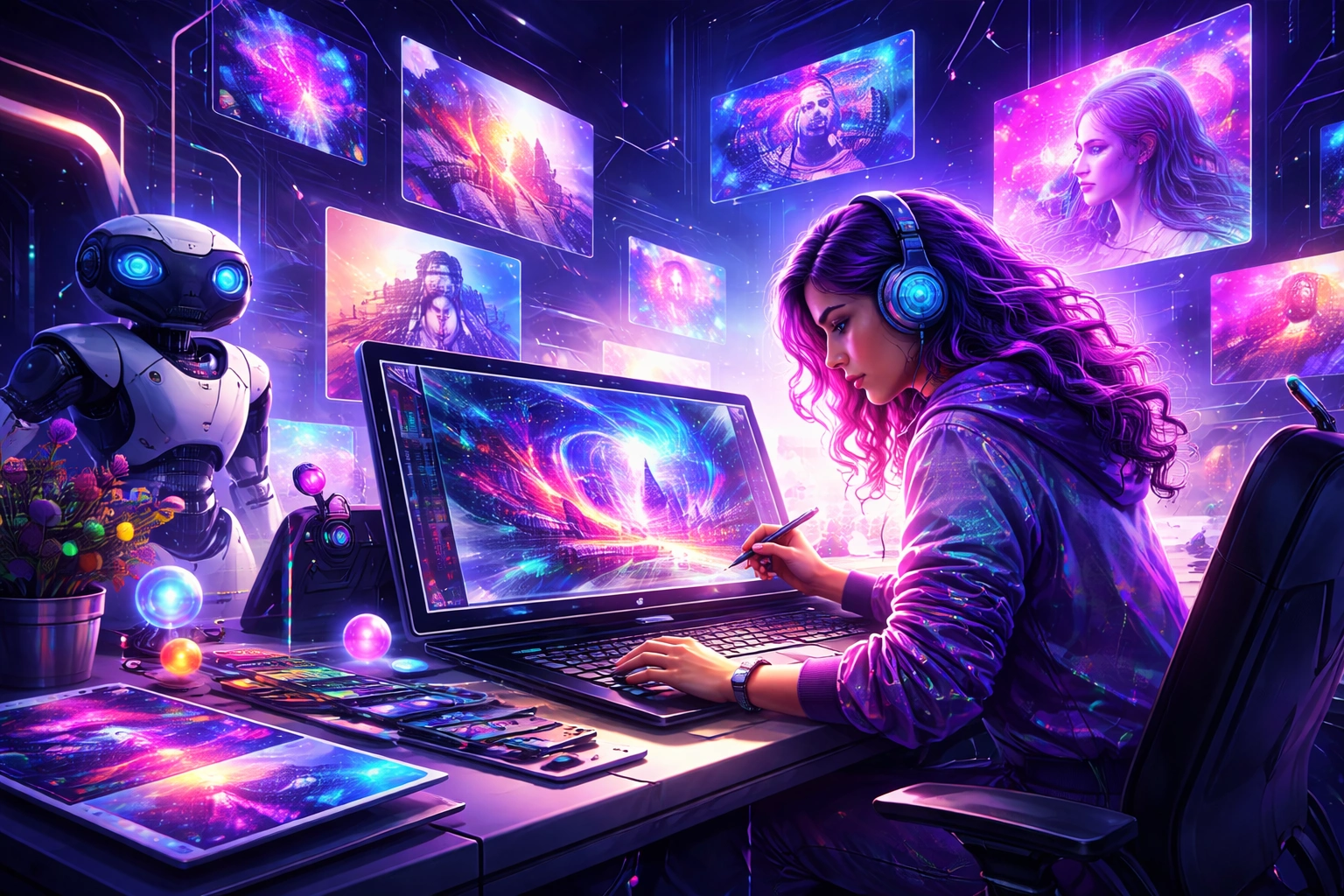
The visual technology world moves fast, but every once in a while, a platform arrives that changes the conversation overnight. In 2026, that platform is Claude Design. What began as another AI model release has quickly turned into one of the biggest talking points across creative communities, design agencies, startup circles, and enterprise tech teams. Designers who once relied only on traditional software are now exploring how AI can become a real creative partner instead of just an automation tool. That shift is why so many people now say Claude Design shakes the visual industry in 2026.
The rise of Claude Design comes at a time when the global design market is hungry for speed, originality, and smarter workflows. Brands need social media assets faster. Marketing teams want better campaigns with smaller budgets. Creators need thumbnails, animations, presentations, web visuals, and product mockups almost every day. Traditional methods still matter, but they often take too much time. Claude Design enters that space with a new promise: combine intelligence, visual understanding, brand consistency, and production speed into one ecosystem.
For many users, this is not just about AI generating images. It is about AI understanding context, intent, mood, audience behavior, and design goals. That difference matters. Businesses are no longer asking whether AI can make visuals. They are asking whether AI can make visuals that actually perform. Claude Design seems ready to answer that question.
What Is Claude Design?
Claude Design is the creative-focused expansion of Claude’s AI ecosystem, built to support visual production, branding systems, content generation, layout thinking, and collaborative design workflows. Rather than behaving like a simple text prompt image machine, Claude Design is positioned as a smart creative assistant. It can help users ideate, organize campaigns, refine layouts, generate copy for visuals, build creative direction, and support teams across multiple design stages.
That is why many industry observers see Claude Design as more than another tool. It feels like a design operating system powered by AI reasoning. Instead of asking users to jump between five different apps, Claude Design aims to reduce friction between planning and execution. This creates massive value for creators, startups, agencies, and media companies.
The biggest appeal is flexibility. A solo creator can use it to plan branding and content. A startup can use it for launch assets. A corporate team can use it for presentations, internal communication visuals, and marketing systems. The broader the use case, the bigger the disruption.
Why 2026 Is the Perfect Year for Claude Design
The timing of Claude Design is almost perfect. In previous years, many AI tools focused heavily on novelty. They could generate flashy results, but practical use in daily work was inconsistent. In 2026, the market has matured. Users now expect reliability, control, privacy, and measurable output.
Several trends explain why Claude Design arrives at the right moment:
1. Brands Need Faster Content Cycles
Social media trends move in hours, not weeks. Companies need graphics, promos, campaign assets, short-form visuals, and landing pages constantly. Traditional pipelines cannot always keep up.
2. Teams Want Smaller Tool Stacks
Subscriptions are expensive. Companies are tired of paying for too many disconnected apps. Integrated AI systems are more attractive than fragmented workflows.
3. Design Talent Is Expensive
Creative professionals remain valuable, but not every company can hire full in-house teams. AI tools help bridge production gaps.
4. Global Competition Is Intense
Brands now compete with creators, startups, and multinational companies at the same time. Speed matters more than ever.
Claude Design fits directly into all four realities.
How Claude Design Shakes the Visual Industry
When people say Claude Design shakes the visual industry, they are talking about impact across multiple layers. This is not limited to graphic design alone. It touches advertising, UI/UX, e-commerce, publishing, entertainment, and creator culture.
Smarter Creative Brief Generation
Many projects fail before design even begins because the brief is weak. Claude Design helps users turn vague ideas into clear creative direction. A prompt like “launch a futuristic skincare brand for Gen Z” can evolve into audience profiles, color palettes, campaign themes, slogan ideas, and layout recommendations.
That changes how teams begin projects. Instead of wasting meetings on alignment, they can start with structure.
Rapid Campaign Production
A marketing team may need:
- Instagram story assets
- Product banners
- Email hero images
- Ad copy concepts
- Landing page visuals
- Moodboards
Claude Design can streamline those stages dramatically. What once took days may now take hours.
Better Collaboration Between Humans and AI
The strongest narrative in 2026 is not AI replacing creatives. It is AI amplifying creatives. Designers still make taste decisions, emotional calls, and brand judgments. AI handles repetition, exploration, and early-stage ideation.
That balance is why adoption is accelerating.
The Gen Z Creative Perspective
Gen Z creators are especially interested in tools like Claude Design because they grew up in fast-moving digital culture. They understand trends, memes, aesthetics, and platform behavior naturally. For them, design is no longer limited to formal education. It is part instinct, part internet fluency, part experimentation.
Claude Design supports that mindset by making creation more fluid. A young creator can build a niche fashion page, launch a podcast brand, run a gaming channel, or grow a visual newsletter without needing a full production team.
That democratization matters. Talent is everywhere, but resources are not. Claude Design helps reduce that gap.
Impact on Freelancers and Agencies
Freelancers once competed mostly on skill and price. In 2026, they also compete on speed and strategic thinking. Claude Design helps independent creatives offer more value to clients through faster concept delivery, better moodboards, clearer positioning, and quicker revisions.
For agencies, the opportunity is larger. They can use Claude Design to:
- Speed up brainstorming
- Create multiple campaign directions fast
- Improve pitch presentations
- Generate internal strategy decks
- Prototype visuals for clients
- Reduce repetitive production work
This does not remove agency value. It increases the premium on originality, strategy, and execution quality.
Claude Design vs Traditional Tools
Traditional software remains essential. Photoshop, Illustrator, Figma, Premiere, and other tools still dominate professional production. But Claude Design introduces a different layer: intelligence-first creativity.
Traditional tools ask: what do you want to make?
Claude Design asks: what are you trying to achieve?
That distinction is powerful. It shifts the workflow from manual commands to goal-based collaboration.
For example:
Traditional workflow:
Open design software, start canvas, choose font, test layouts manually.
Claude Design workflow:
Describe the campaign goal, target audience, tone, platform, and visual direction. Receive multiple starting points instantly.
The future likely combines both models.
How Brands Use Claude Design in 2026
Modern brands care about consistency and speed. Claude Design helps with both.
E-Commerce Brands
They use AI for product page visuals, promo banners, seasonal launches, and paid ads.
Media Brands
They use AI for thumbnails, article graphics, newsletter assets, and trend visuals.
Tech Startups
They use AI for pitch decks, landing pages, explainers, UI concepts, and investor communication.
Personal Brands
Creators use AI for logos, content themes, templates, and channel growth assets.
The broader the brand economy becomes, the more demand exists for systems like Claude Design.
The Rise of AI Taste Engines
One of the biggest debates in 2026 is whether AI can develop taste. Taste means knowing what feels premium, trendy, elegant, chaotic, luxurious, minimal, or culturally relevant.
Claude Design is part of a new generation trying to solve that challenge. It is not enough to generate random visuals. Tools must understand style language. Users want outputs like:
- luxury skincare campaign
- cyberpunk esports launch
- editorial fashion magazine cover
- premium fintech dashboard
- cozy minimalist café branding
The ability to interpret aesthetic language is where the market is headed.
Concerns and Criticism
No major technology shift comes without criticism. Claude Design also faces real concerns.
Originality Questions
Can AI-generated outputs become too similar over time? If many users rely on similar systems, visual sameness becomes a risk.
Creative Job Anxiety
Some designers worry entry-level opportunities may shrink if companies automate basic tasks.
Copyright and Ownership
Who owns generated visuals? What data trained the models? Legal frameworks continue evolving.
Overproduction Culture
If content becomes too easy to create, the internet may become even noisier.
These concerns are valid. The winners in this era will not be people who use AI blindly. They will be people who use AI with taste, ethics, and strategy.
Why Human Designers Still Matter
Even with powerful AI systems, human designers remain central. Machines can generate options, but humans understand deeper emotional context. They know when something feels authentic, awkward, premium, cheap, timeless, or culturally off-target.
A logo for a legacy family business.
A campaign after a social crisis.
A rebrand for a beloved local company.
These moments require nuance beyond automation.
Claude Design may speed execution, but human judgment still defines great design.
SEO and Content Industry Effects
The publishing world is also paying attention. Websites need featured images, article banners, social snippets, and branded assets daily. Claude Design can help publishers scale visual content production without sacrificing speed.
That matters for SEO because engaging visuals improve:
- time on page
- click-through rate
- social sharing potential
- brand recognition
- user retention
In 2026, search visibility is not only about keywords. It is also about presentation.
Future Trends After Claude Design
The success of Claude Design could trigger the next wave of visual AI competition. Expect more platforms to focus on:
Real-Time Co-Creation
Designing live with AI suggestions during workflow.
Brand Memory Systems
AI that permanently understands your logo, tone, fonts, audience, and style rules.
Cross-Format Creation
One prompt becomes a banner, reel, thumbnail, article graphic, and pitch deck automatically.
Interactive Visual Agents
AI that manages campaigns from concept to export.
Claude Design may be remembered as one of the catalysts of this shift.
What Creators Should Do Now
Instead of fearing AI tools, creators should adapt strategically.
Learn Prompt Thinking
Knowing how to communicate ideas clearly becomes a top skill.
Strengthen Taste
Tools can generate output, but they cannot replace refined judgment easily.
Build Brand Identity
Original voice and consistent style matter more when production becomes easier.
Use AI for Speed, Not Identity
Let tools handle drafts and repetitive tasks. Keep your unique vision human.
That formula can turn disruption into opportunity.
Final Verdict
The phrase Claude Design shakes visual industry in 2026 is not hype without reason. It reflects a genuine market shift where creativity, automation, intelligence, and speed are converging faster than expected. Designers, agencies, startups, publishers, and creators all feel the impact because visual production now sits at the center of modern communication.
Claude Design is not the end of human creativity. It is the start of a new creative workflow era. Those who resist every change may fall behind. Those who surrender taste entirely to machines may also disappear. But those who combine human instinct with AI leverage could define the next decade of design.
The visual industry in 2026 is no longer asking if AI belongs in creative work. It already does. The real question now is who will use it best.