
New Typefaces May 2026 Shift Design Language
 Vortixel
17 minutes read
Vortixel
17 minutes read
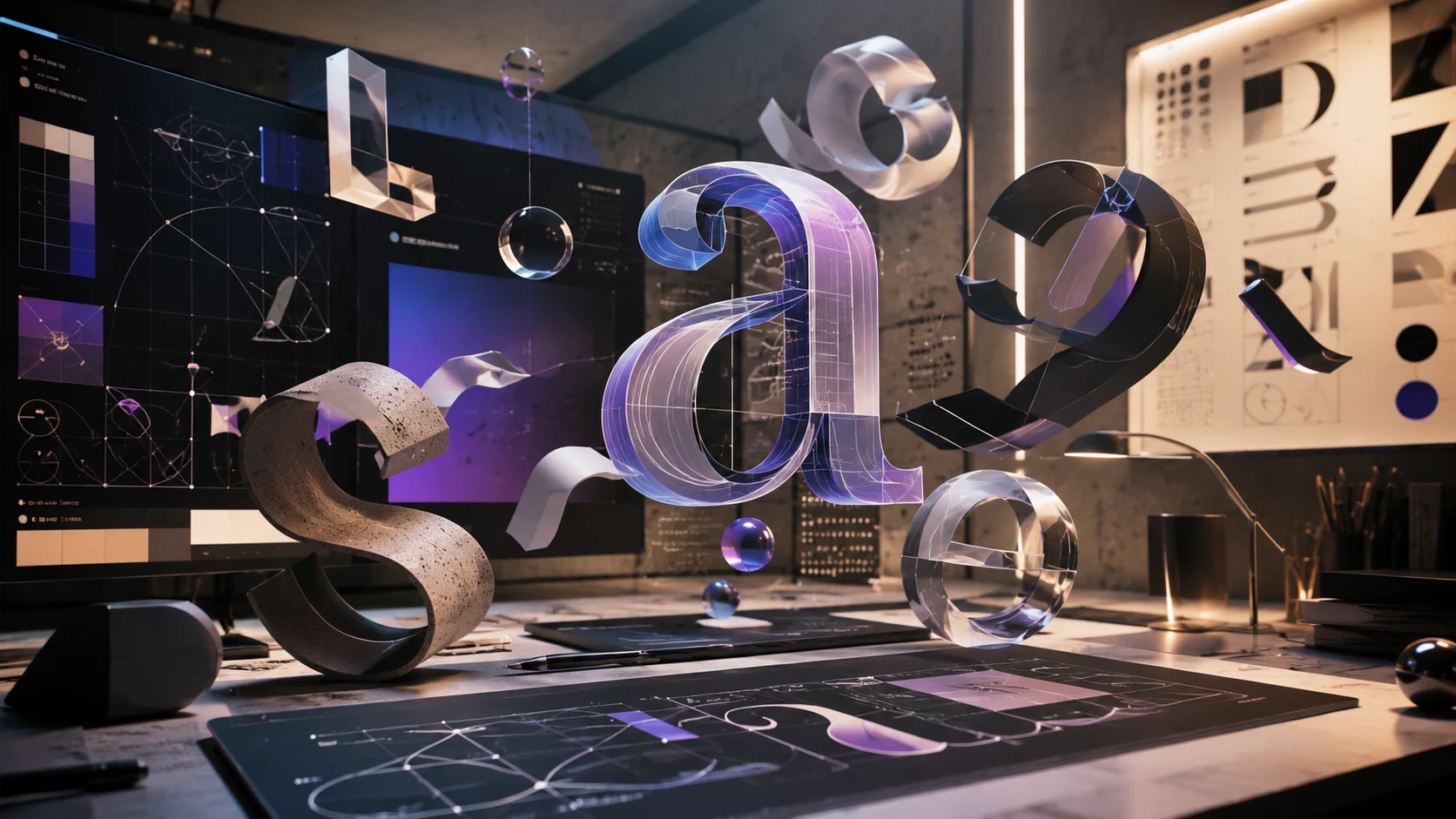
New typefaces May 2026 are not just a quiet update for font collectors or design studios with too many tabs open. They feel more like a signal that visual culture is moving into a sharper, faster, and more emotionally aware era. Across branding, editorial layouts, app interfaces, campaign systems, and digital publishing, typography is becoming the first layer of personality before color, photography, or motion even gets a chance to speak. Designers are no longer treating fonts as background infrastructure; they are using them as narrative tools that can make a brand feel intimate, rebellious, premium, playful, or deeply human in seconds. That is why the latest wave of type releases feels bigger than a monthly roundup, because it reflects how design language itself is being rewritten by flexibility, speed, and identity.
The interesting thing about this moment is that type is becoming both more technical and more emotional at the same time. Variable fonts, expanded language support, optical adjustments, and performance-minded families are giving designers more control than ever, but the final goal is not just cleaner files or smoother websites. The goal is expression that can survive across a phone screen, a billboard, a pitch deck, a streaming thumbnail, and a product interface without losing its pulse. In the past, a brand might choose one elegant typeface and build a static identity around it for years. Now, the smartest visual systems are choosing type that can move, stretch, compress, adapt, and still feel unmistakably recognizable in every context.
Why New Typefaces May 2026 Matter Now
The phrase new typefaces May 2026 matters because typography is carrying more responsibility inside modern design systems than it did even a few years ago. A font used to be one piece of a larger visual identity, but today it often becomes the identity’s most consistent and scalable asset. Logos can be simplified, images can change by campaign, and color palettes can shift with seasonal moods, but type stays present in every button, headline, caption, menu, label, and notification. That means a typeface has to do more than look beautiful in a specimen page; it has to work under pressure in messy real-world environments. It has to perform across languages, screen sizes, accessibility needs, motion systems, and brand tones without collapsing into generic sameness.
This is where May 2026 feels especially relevant for designers watching the direction of the industry. The newest type conversations are not only about novelty, because novelty fades fast when a font enters production. What matters is whether a typeface can help a brand speak with range while still sounding like itself. A contemporary font family now needs to behave almost like a responsive voice, shifting from bold campaign energy to quiet product clarity without feeling like two unrelated design choices. That is a huge shift, and it explains why designers are paying close attention to type releases that offer deeper style ranges, stronger technical foundations, and more culturally aware visual details.
Typography Is Becoming a Brand’s Voice, Not Its Accent
For a long time, typography was described as something that supported visual design, almost like the outfit that helped the message look polished. That view feels outdated in 2026 because type now shapes the emotional temperature of an entire interface or editorial experience. A rounded grotesque can make a financial product feel less intimidating, while a sharp serif can make a culture magazine feel more cinematic and opinionated. A compact sans can make a sports campaign feel urgent, while a loose humanist face can soften a tech platform that might otherwise feel cold. The font choice is no longer a finishing detail; it is often the first personality decision a design team makes.
This is also why the latest type releases are being judged by how they behave in systems rather than how they look in isolation. A single headline can look incredible on a designer’s laptop, but the real test comes when that same typeface must handle product cards, legal copy, onboarding screens, social graphics, newsletters, data labels, and multilingual headlines. Brands want type that can stretch across all of those moments without forcing the team to constantly patch visual inconsistencies. The best new families understand that modern branding is not a poster; it is a living network of touchpoints. When a typeface can hold that network together, it becomes a strategic asset instead of a decorative choice.
The Rise of Variable Fonts Changes the Mood
One of the strongest forces behind the current type movement is the rise of variable fonts, which allow multiple weights, widths, and styles to live inside a more flexible digital file. This matters because designers are under pressure to create richer brand systems without slowing down websites, apps, and content platforms. A variable typeface can give a design team a wide emotional range while keeping the technical workflow cleaner than a giant collection of static font files. That is especially useful for brands that need to create motion-heavy campaigns, responsive layouts, and personalized digital experiences. In practical terms, variable type gives designers more expressive freedom while helping developers keep performance in mind.
The deeper cultural impact is that type now feels less fixed and more alive. Designers can animate width, shift weight, and adjust presence in ways that make typography feel connected to behavior, not just layout. A headline can expand with energy, a navigation label can become more readable at smaller sizes, and an editorial masthead can shift tone across sections without leaving the same type family. This creates a new kind of visual language where typography is not merely selected but choreographed. The result is a design world where fonts can respond to context almost like music responds to rhythm.
Designers Want Flexibility Without Losing Character
The biggest challenge for modern typography is balancing flexibility with character. A typeface that is too neutral may be useful, but it can disappear into the endless gray zone of modern interfaces. A typeface that is too expressive may look unforgettable in a campaign but become exhausting when used for product navigation or long-form reading. The latest design conversation is focused on the middle ground, where fonts have enough personality to make a brand feel alive but enough discipline to remain usable across hundreds of applications. This balance is hard, which is why high-quality type design still feels deeply human even when the tools become more advanced.
Design teams are now looking for typefaces that can carry contrast inside the same family. They want a font that can feel confident in a homepage hero, calm in a dashboard, sharp in a press release, and readable in a mobile caption. This demand reflects the way brands now exist across fragmented attention spans and mixed emotional contexts. A single user might encounter a brand through a push notification in the morning, a short-form video at lunch, a product page at night, and an email the next day. If the typography does not create continuity across those moments, the brand starts to feel scattered even when the visual assets are expensive.
How New Fonts Are Rewriting Digital Aesthetics
The aesthetic shift around new typefaces May 2026 is not only about what looks trendy, because digital culture is already tired of trends that age in a few weeks. What feels more important is the movement toward type that can make digital spaces feel less anonymous. For years, many websites and apps leaned heavily on clean sans-serif systems that were efficient but emotionally flat. That approach worked when the priority was clarity, speed, and product trust, but it also created a web where many brands began to look strangely similar. Now, designers are searching for subtle ways to bring texture, warmth, rhythm, and tension back into digital typography without sacrificing usability.
This is why new fonts are often being described through feelings as much as formal categories. Designers talk about warmth, friction, speed, softness, awkwardness, confidence, nostalgia, and tactility because those qualities help explain how type behaves in culture. A font is not only a geometric sans, a grotesque, a serif, or a slab; it is also a social signal. It tells users whether a brand wants to feel serious, experimental, elegant, loud, handmade, institutional, or future-facing. In a crowded visual landscape, those signals matter because people make emotional judgments about design before they consciously read the words.
From Clean Minimalism to Expressive Utility
Minimalism is not disappearing, but it is being questioned in a more mature way. Designers are realizing that clean does not have to mean empty, and functional does not have to mean characterless. The strongest new type systems are bringing expression into utility rather than treating the two as opposites. They may use unusual proportions, distinctive punctuation, warmer curves, tighter rhythm, or expanded width options to create a voice that still works in serious digital environments. This is a more nuanced version of minimalism, where the design stays clear but no longer feels stripped of personality.
That shift is especially visible in editorial websites, creative portfolios, cultural platforms, and brand campaigns that need to stand out without overwhelming readers. A publication can use expressive display type for atmosphere while relying on a readable text face for depth. A design studio can build a modular identity that feels experimental but still client-ready. A startup can move away from the predictable tech font look and choose typography that feels more specific to its mission. In every case, the point is not to be louder for the sake of being loud, but to create a clearer emotional signature.
The Business Impact of Better Typography
Typography may look like a creative decision, but it has a very real business impact. A strong type system can make a brand more recognizable, improve readability, support accessibility, speed up design production, and reduce the need for constant visual reinvention. When a company invests in a flexible type family, it can create campaigns faster because the system already contains the range needed for different tones and formats. It can also improve consistency across teams, especially when marketing, product, editorial, and social departments are all producing assets at the same time. Good type does not only make things look better; it makes the entire communication machine work with less friction.
There is also a trust factor that people often underestimate. Users may not know the name of a typeface, but they can sense when typography feels careless, cramped, outdated, or inconsistent. A poorly chosen font can make a premium product feel cheaper, while a thoughtful one can make a small brand feel more established. In ecommerce, fintech, education, healthcare, media, and SaaS, typography affects how easily people absorb information and how much confidence they feel while doing it. That is why brands that treat type as a serious system often gain an invisible advantage in user experience and perception.
What This Means for Visual Designers
For visual designers, this wave of new typefaces is both exciting and demanding. It gives them more tools to build distinctive identities, but it also raises the standard for decision-making. Choosing a font is no longer about picking something that looks good in a mood board, because the type has to survive real content, real devices, real users, and real deadlines. Designers need to test typefaces across long paragraphs, short labels, dark backgrounds, small mobile screens, large-format banners, and multilingual copy before committing. The more flexible the font, the more carefully the team needs to define how that flexibility should be used.
This is where typographic strategy becomes as important as taste. A designer might love a dramatic display face, but the brand may need a system that supports documentation, onboarding, social graphics, and dense product pages. Another designer might choose a neutral sans for safety, but the brand may lose its chance to create a memorable voice. The strongest teams are building type rules that explain not only what font to use, but when to use each style, weight, width, and hierarchy level. This kind of system thinking helps typography remain expressive without becoming chaotic.
Practical Questions Before Choosing a Typeface
- Does the typeface support the full content system? A font should work for headlines, body copy, captions, navigation, labels, and campaign moments instead of only looking good in one dramatic use case.
- Can it handle responsive design? Strong typography must remain readable and visually balanced across mobile, tablet, desktop, and large-format environments.
- Does it match the brand’s emotional tone? A typeface should communicate the right level of warmth, authority, playfulness, elegance, speed, or experimentation.
- Is the technical performance realistic? Designers should consider loading speed, file management, variable font support, licensing, and collaboration with developers.
- Will it still feel relevant in two years? Trendy type can create quick attention, but a durable system needs enough depth to evolve without looking dated too quickly.
These questions may sound simple, but they can save a brand from expensive redesign problems later. Many weak identities fail not because the original idea was bad, but because the typography could not scale beyond the first beautiful presentation. A typeface that works beautifully in a brand reveal may struggle when real copy arrives, especially if that copy includes long product descriptions, legal notes, data-heavy pages, or translation needs. Practical testing turns a visual preference into a reliable design decision. That is why the smartest designers treat font selection like a stress test rather than a shopping trip.
Why Editorial Design Is Watching Closely
Editorial design has a special relationship with typography because publications live and die by voice. A magazine, culture site, or visual blog can use photography and layout to create impact, but the typography determines how the reader moves through the story. The right headline face can make an article feel urgent, elegant, strange, or intimate before the first paragraph begins. The right body type can keep readers inside a long piece without causing fatigue. For websites focused on typography trends, visual culture, branding, and design criticism, this new wave of type releases is a direct signal of where editorial identity is heading.
The most interesting editorial systems today are not afraid of contrast. They might pair a restrained reading typeface with a bold display font that gives the publication a recognizable edge. They might use variable widths to create section identities without fragmenting the overall brand. They might treat pull quotes, captions, and author labels as moments of visual rhythm rather than afterthoughts. This matters because digital readers skim, pause, jump, and return in unpredictable ways, so typography has to guide attention with more intelligence than a static print grid once required.
AI, Automation, and the Human Value of Type
The rise of AI design tools makes typography even more important, not less. As automated layouts, image generation, template systems, and brand assistants become more common, many visual outputs risk becoming faster but flatter. Typography can act as one of the strongest human anchors inside that automated environment because great type design carries judgment, culture, craft, and restraint. A typeface is not just a set of letters; it is a long chain of decisions about proportion, spacing, rhythm, contrast, readability, and emotion. Those decisions can give a brand a sense of care that generic automation often struggles to recreate.
This does not mean AI has no place in typography workflows. Designers may use AI-assisted tools for testing, pairing, mockups, accessibility checks, and faster exploration of layout possibilities. However, the final typographic voice still needs human direction because letters live inside cultural context. A font that feels premium in one category may feel distant in another, while a playful typeface that works for a youth campaign may feel unserious in a public service interface. The future is not about choosing between automation and craft; it is about using automation to support craft without letting it erase taste.
The Accessibility Layer Behind Modern Type
Another reason the latest type releases matter is accessibility. Modern visual design cannot afford to treat readability as a boring requirement that comes after style. People read across different devices, lighting conditions, vision needs, languages, and attention levels, so typefaces need to support clarity without feeling sterile. Strong x-heights, open counters, balanced spacing, and thoughtful weight ranges can make a real difference in whether content feels smooth or frustrating. As more brands take accessibility seriously, the best typefaces are the ones that combine expressive identity with practical readability.
This is especially important for brands that communicate complex information. A health platform, education site, civic campaign, or financial dashboard cannot rely on visual drama alone because users need to understand information quickly and accurately. But accessibility does not mean every brand must choose the same plain font and call it responsible. The better approach is to find type that supports legibility while still creating a distinct voice. In 2026, inclusive design and expressive design are increasingly being treated as partners, not enemies.
The Cultural Return of Letterform Personality
One of the most refreshing parts of the current type landscape is the return of letterform personality. After years of ultra-clean digital sameness, designers seem more willing to embrace small imperfections, historical references, regional influences, and unexpected shapes. This does not mean the design world is abandoning clarity, but it does suggest a desire for fonts that feel less machine-polished and more culturally grounded. A distinctive “a,” a strange “g,” a sharp terminal, or a generous curve can give a typeface a memory. Those details become tiny emotional hooks that help a visual identity stay in the mind longer.
This return of personality also connects to a broader fatigue with generic global branding. Many people can sense when a company is trying to look modern in the same way every other company looks modern. Designers are responding by searching for type that carries a more specific story, whether that story comes from signage, editorial history, vernacular lettering, digital subcultures, or experimental drawing. The goal is not nostalgia for its own sake. The goal is to create visual systems that feel alive because they contain references, tensions, and details that users can subconsciously recognize as human.
How Brands Can Use This Trend Wisely
Brands that want to respond to the new typefaces May 2026 conversation should avoid rushing into a redesign just because a new font looks exciting. A better move is to audit the current type system and identify where it feels weak. Maybe the brand lacks expressive headline options, maybe the interface feels too cold, maybe mobile readability is suffering, or maybe the social templates look disconnected from the website. Once the problem is clear, a new typeface becomes a solution rather than a cosmetic impulse. That distinction matters because typography should solve communication problems, not simply decorate them.
For smaller creative sites, the opportunity is especially strong because typography can create a premium identity without requiring a massive production budget. A thoughtful font pairing, consistent hierarchy, and clear editorial rhythm can make a website feel more intentional almost immediately. For larger brands, the opportunity is more strategic because a flexible type system can improve speed, consistency, and recognition across global teams. In both cases, the smartest use of new type is not chasing what everyone else is using. It is finding a voice that matches the brand’s actual story, audience, and future direction.
A Practical Typeface Strategy for 2026
A strong 2026 type strategy begins with defining the brand’s voice in plain language before opening a font library. The team should know whether the brand needs to feel editorial, technical, warm, disruptive, calm, luxurious, youthful, academic, or cinematic. After that, designers can test typefaces against real content instead of placeholder text, because real language exposes weaknesses that mockups often hide. The system should include clear rules for headings, body text, captions, buttons, quotes, and special campaign moments. This process may sound slower at first, but it usually makes production faster once the system is live.
It is also smart to build room for evolution. A brand does not need to use every weight, width, or stylistic feature on day one, especially if the team is still learning how the type behaves. The best systems often start with a disciplined core and expand as new needs appear. Variable fonts make that evolution easier because they give teams a wider design range inside one family. The key is to document decisions clearly, so creative freedom does not turn into random styling from one asset to the next.
The Future of Design Language Is Typographic
The larger story behind new typefaces May 2026 is that design language is becoming more typographic at its core. Color still matters, imagery still matters, layout still matters, and motion is more important than ever, but type is the element that connects all of those pieces into a readable voice. It can make a digital product feel calmer, a fashion campaign feel sharper, a cultural article feel deeper, or a technology brand feel more human. When typography is weak, the entire system feels less convincing even if the other visuals are polished. When typography is strong, even simple layouts can feel intentional and memorable.
This is why the current wave of type releases deserves serious attention from designers, editors, marketers, developers, and brand strategists. Fonts are no longer just assets stored in a design folder; they are living parts of how people experience identity online and offline. The next generation of standout brands will likely be the ones that understand type as a flexible language rather than a fixed style choice. They will use typography to build continuity across platforms while still leaving room for surprise. In that sense, May 2026 is not just bringing new fonts into the market; it is showing how visual communication is learning to speak with more range.
Conclusion: Type Is the New Design Signal
New typefaces May 2026 show that typography is becoming one of the clearest signals of where design is heading next. The strongest fonts of this moment are not only stylish, because style alone is too fragile for modern communication. They are flexible, readable, expressive, technically aware, and built for a world where brands must speak across countless formats without losing their identity. For designers, the opportunity is to choose type with more intention and to treat every letter as part of the user experience. For brands, the lesson is simple but powerful: when the right typeface finds the right system, design stops looking like decoration and starts sounding like a voice people remember.