
Google Omni Video AI Signals a New Creative Era
 Vortixel
16 minutes read
Vortixel
16 minutes read
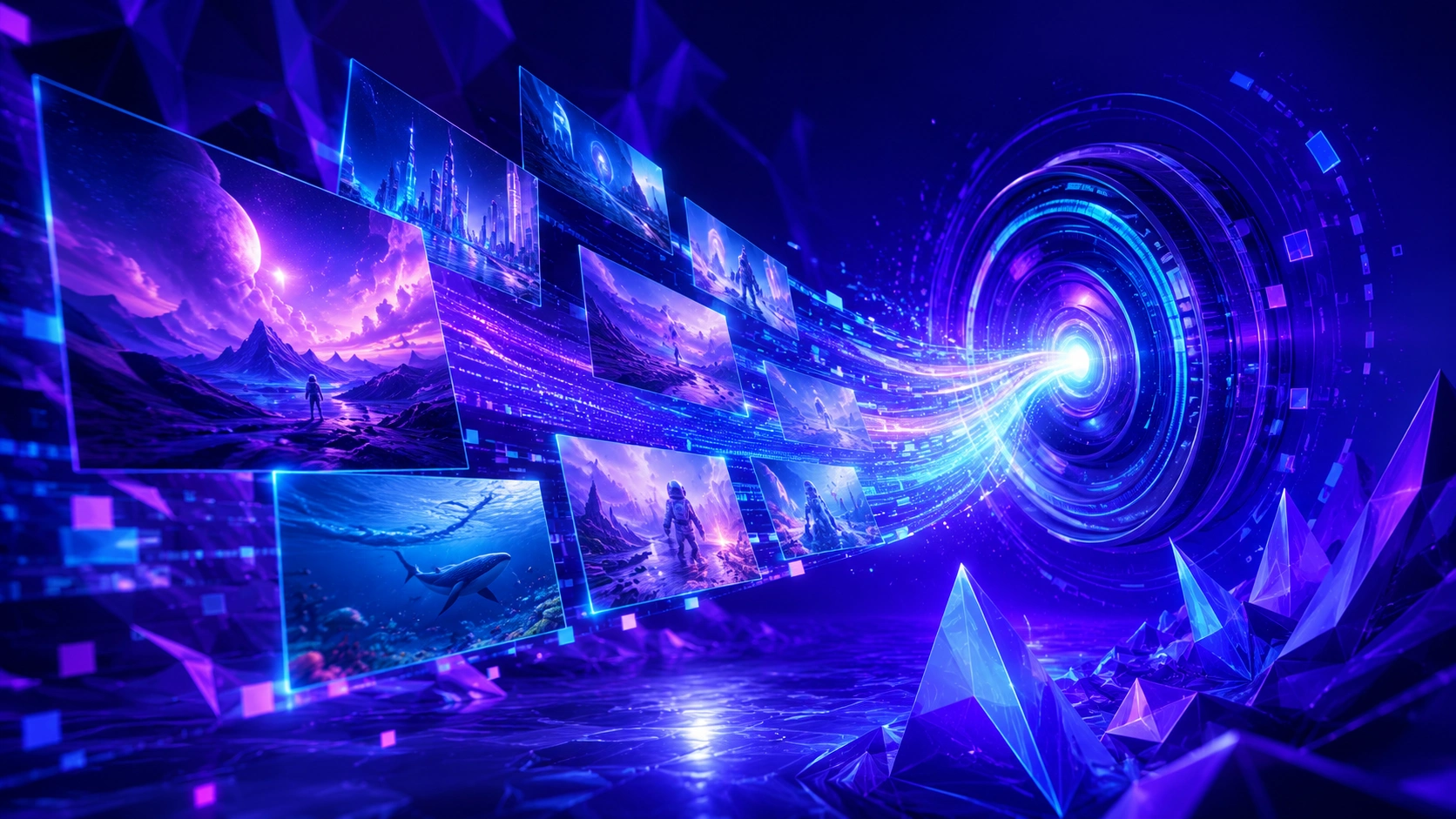
Google Omni video AI is starting to feel like the kind of phrase creators will hear a lot more often as the next wave of artificial intelligence moves beyond simple prompts and into full visual production. The idea behind it sounds bigger than another flashy model name, because the creative industry is already shifting toward tools that can understand motion, mood, timing, camera language, and visual storytelling in one connected workflow. For creators, editors, marketers, designers, and digital studios, that shift matters because video is no longer just a final product; it is becoming a flexible format that can be built, revised, remixed, and personalized at high speed. The buzz around Google Omni points to a future where AI video generation could become more fluid, more context-aware, and more useful for real production tasks instead of staying locked inside experimental demos. That is why this moment feels less like a small feature update and more like an early signal that the next creative race will be fought through intelligent visual systems.
The timing also makes the conversation more interesting because visual AI is moving from novelty to infrastructure. A few years ago, text-to-image generators were the center of attention because they made surreal, cinematic, or commercial-looking visuals available to anyone with a prompt. Then video AI entered the room and raised the stakes, because motion exposes every weakness a model has, from inconsistent characters to strange physics, unstable lighting, and awkward transitions. Now the industry is moving toward models that do not just create short clips, but understand how scenes are structured, how a brand’s visual identity should remain consistent, and how a creator might want to iterate without starting over. In that environment, Google Omni video AI has the potential to become a major keyword not only for tech watchers, but also for creative professionals trying to understand where digital production is heading.
Why Google Omni Video AI Feels Different
Google Omni video AI feels different because the word “Omni” suggests a broader ambition than a single-purpose generation tool. In creative technology, the biggest breakthrough is rarely about making one isolated output slightly better; it is about connecting multiple creative steps into one smoother system. A strong video AI model needs to understand text prompts, visual references, editing intent, object continuity, scene rhythm, and cinematic composition at the same time. That is a much harder challenge than producing a beautiful still image, because video requires memory across frames and logic across movement. If Google is positioning Omni as a more complete visual intelligence layer, then the conversation is really about workflow, not just output quality.
This matters because creators do not only need AI that can generate something impressive once. They need AI that can listen to revisions, keep a character consistent, adjust a camera angle, extend a scene, change the lighting, preserve the mood, and match a visual direction without breaking the whole project. In traditional production, those changes take time, people, software, and budget. In AI-driven production, the dream is to collapse that process into a faster creative loop where ideas can move from rough concept to usable visual draft in minutes. That does not mean human craft disappears, because taste, direction, pacing, and narrative judgment remain deeply human. It does mean that the distance between imagination and execution is getting shorter, and that shift could reshape the creative economy.
For a platform like Google, the opportunity is also much wider than entertainment alone. Search, YouTube, Android, cloud tools, advertising systems, creator platforms, and productivity apps all touch visual communication in some way. A more advanced video AI system could eventually support social content creation, product visualization, educational explainers, ad concepts, cinematic storyboards, training material, and interactive media. The strength of Google’s ecosystem is that one model can influence many product categories if it becomes reliable enough. That is why creators are watching the Omni discussion closely, because a breakthrough in one area could spread across the tools people already use every day.
The Bigger Race Behind AI Video Generation
The race around AI video generation is not only about who can create the most realistic clip. It is about who can build a system that fits into the messy, practical reality of creative work. A content creator does not just want a nice-looking video; they want a clip that matches their channel style, fits a script, supports a hook, works in different aspect ratios, and can be edited without falling apart. A brand does not only want a futuristic demo; it wants consistent product representation, safe messaging, accurate visual details, and legal confidence before publishing anything. A studio does not only want speed; it wants control, repeatability, and the ability to integrate AI outputs into professional pipelines.
This is where the new generation of video AI tools is becoming more serious. Early tools were fun because they could turn a sentence into motion, but they often lacked deeper direction. The next phase is about controllability, meaning creators can guide the shot rather than simply accept whatever the model produces. That includes camera moves, character expressions, visual continuity, timing, lens feel, lighting mood, and scene transitions. If Google Omni video AI is designed to move toward that level of control, it could become part of a broader transformation in how digital visuals are planned and produced.
The competition also makes the space move faster. Every major AI company knows that video is one of the most valuable forms of content on the internet. Video dominates social platforms, product marketing, education, entertainment, and online storytelling because it combines emotion, information, and attention in a format people already understand. That makes AI video generation a strategic battlefield, not just a creative experiment. Whoever builds the most trusted, flexible, and accessible video AI system could influence how the next generation of media is made.
From Prompting Clips to Directing Scenes
The most important shift in AI video is the move from prompting clips to directing scenes. A prompt is a starting point, but direction is a creative process. When someone writes a prompt like “a futuristic city at sunset,” the model can produce something beautiful, but the creator still needs control over what happens next. Is the camera gliding over rooftops, following a character, pushing into a neon alley, or revealing a massive skyline through fog? Those choices are not minor details; they are the grammar of visual storytelling.
If future systems like Google Omni video AI can understand those layers more naturally, creators will be able to work with AI more like they work with a production assistant or visual collaborator. Instead of rewriting a prompt again and again, they could ask for a slower dolly shot, a warmer color grade, a cleaner product reflection, or a more dramatic reveal. This would make AI video less random and more conversational. It would also make the creative process feel less like gambling with generations and more like shaping a scene through feedback. That is the difference between a toy and a tool.
Scene direction also opens the door for better storytelling. Many AI videos look impressive for the first few seconds, but storytelling requires continuity and intention. Characters need to feel stable, objects need to stay recognizable, and emotional beats need to land at the right moment. A model that understands scene logic can help creators build sequences instead of disconnected clips. That could be especially useful for short films, music videos, product launches, educational explainers, and editorial visuals that need more than aesthetic polish.
How Google Omni Could Change Creator Workflows
Creator workflows are already under pressure because audiences expect more content, faster publishing, and higher production quality. A small team might need to produce blog visuals, social reels, short videos, thumbnails, campaign assets, newsletters, and platform-specific edits all in the same week. That workload used to require a full creative department, but AI tools are changing what a lean team can do. If Google Omni video AI becomes capable enough, it could support creators in the planning, drafting, and iteration stages of production. The biggest value may not be replacing the final cut, but helping teams reach better ideas faster.
For example, a creator could use video AI to test multiple opening scenes before choosing one for a campaign. A designer could generate visual motion studies before committing to a full animation. A YouTuber could create abstract B-roll that matches a topic without spending hours searching for stock footage. A marketer could produce early ad concepts to compare tone, pacing, and audience fit before hiring a production crew. In each case, the AI is not the whole creative process; it is a speed layer that helps humans make decisions with more visual context.
This could be especially powerful for independent creators and small studios. Big companies already have access to production teams, motion designers, editors, and agencies. Smaller creators often have the ideas but not the budget or time to execute every visual concept. Advanced video AI could narrow that gap by giving smaller teams access to visual experimentation that once required expensive tools. That does not automatically make every output great, but it does expand who gets to participate in high-quality visual storytelling.
The Impact on Visual Branding and Digital Identity
Visual branding is one area where AI video could become extremely valuable if models learn consistency. Brands do not want random beauty; they want recognizable identity. That means colors, motion style, typography rules, product appearance, mood, lighting, pacing, and audience tone all need to feel connected across content. A strong AI video system could help generate variations while keeping the brand world intact. For websites focused on AI video trends, this is one of the most important angles to watch because it connects creativity with business use.
Imagine a startup that has a clear visual identity but limited resources. With advanced AI video generation, that company could create launch teasers, product explainers, social visuals, and investor presentation assets with a more unified look. A fashion brand could explore campaign moods before booking a shoot. A game studio could prototype cinematic trailers before building final assets. A media publisher could turn complex topics into short visual explainers that keep readers engaged across platforms. These use cases show why AI video is not only an art tool, but a brand communication tool.
However, consistency is also one of the hardest problems. AI models often struggle when asked to keep the same object, character, or design system stable across multiple outputs. For commercial work, small mistakes can become big problems, especially when products, logos, faces, or technical details are involved. That is why the next leap in AI video will depend on reliability as much as creativity. If Google Omni can deliver stronger consistency, it would give creators and brands a more practical reason to adopt it.
Why YouTube Makes the Stakes Even Higher
Google’s connection to YouTube makes the AI video conversation even more important. YouTube is not just a video platform; it is one of the biggest creator economies in the world. Millions of people use it to learn, entertain, review products, document experiences, build audiences, and make money. If advanced AI video tools become more connected to that ecosystem over time, the impact could be massive. Creators would not only generate clips, but potentially build faster production workflows around ideas, scripts, thumbnails, shorts, trailers, and visual experiments.
That possibility brings both excitement and tension. On one side, AI tools could help creators produce better supporting visuals, reduce repetitive editing tasks, and make high-quality content more accessible. On the other side, platforms will need to handle questions around disclosure, originality, copyright, synthetic media, and audience trust. Viewers may become more aware of AI-generated visuals and start caring about how content is made. Creators who use AI responsibly and transparently may have an advantage because trust will become part of the value of the content itself.
There is also a chance that AI video will change the rhythm of online publishing. Short-form content already moves fast, and AI could make it even faster by reducing production friction. That might increase competition, because more creators will be able to publish polished visuals more often. At the same time, it could make originality more valuable, because technical quality alone will become easier to access. The creator who wins may not be the one with the most advanced tool, but the one with the clearest taste, strongest point of view, and best understanding of their audience.
Trend Analysis: AI Video Is Becoming a Creative Layer
The biggest trend behind Google Omni video AI is that AI video is becoming a creative layer across the internet. It is not just a standalone product category anymore. It can support design, advertising, education, gaming, journalism, social media, e-commerce, music, and entertainment. That is why the industry is moving so quickly, because video sits at the intersection of attention and emotion. When AI becomes good at generating and editing video, it touches almost every digital business model.
This trend also reflects a larger shift from static content to adaptive content. Static content is published once and consumed the same way by everyone. Adaptive content can change format, length, tone, platform fit, or visual style depending on context. AI video could help teams turn one idea into multiple versions for different audiences and channels. A long explainer could become short clips, vertical teasers, animated summaries, and visual ads without rebuilding the whole project from scratch. That kind of flexibility is exactly why creative teams are paying attention.
Another trend is the merging of generation and editing. In the past, creating assets and editing assets were separate steps. A person would shoot or generate footage, then edit it in software, then export it for publication. AI is starting to blur those boundaries because a user can generate a scene, revise it, extend it, restyle it, and restructure it through language or visual controls. If this continues, future creative software may feel less like a set of buttons and more like a live conversation with a visual engine.
Practical Insights for Creators and Teams
Creators should not wait for AI video tools to become perfect before learning how they fit into a workflow. The smartest move is to treat tools like Google Omni video AI as part of a broader creative system. That means thinking about where AI can save time, where it can improve ideation, and where human craft still needs to lead. AI can help with drafts, references, moodboards, concept videos, B-roll ideas, and experimental visuals. Human creators still need to handle strategy, taste, story structure, ethical judgment, and final quality control.
- Use AI video for concept testing. Generate multiple visual directions before committing to one production path, especially for campaigns, short films, product launches, and social video series.
- Build a visual style guide first. AI works better when creators know their colors, moods, pacing, subject matter, and brand personality before prompting.
- Keep humans in the review loop. Check every output for accuracy, consistency, originality, and audience fit before publishing anything public.
- Think in sequences, not single clips. The real value of AI video grows when creators use it to support a larger narrative or campaign structure.
The most practical creators will also learn how to write better visual instructions. Prompting is not just describing what should appear on screen. It involves mood, composition, movement, lighting, camera distance, pacing, texture, and emotional tone. A weak prompt often produces generic results because it gives the model too little direction. A strong prompt guides the scene like a creative brief. As AI tools become more advanced, the ability to communicate visual intent clearly will become a valuable skill.
Teams should also start building internal rules for AI-generated media. Those rules can include when AI outputs are acceptable, how they should be labeled, what types of content need extra review, and how to avoid misleading audiences. This is especially important for brands, publishers, educational platforms, and agencies that depend on trust. AI video can be powerful, but power without standards can create confusion. The teams that set clear guidelines early will be better prepared as the tools become more capable.
The Creative Risk: More Content, Less Meaning
One risk of advanced AI video is that the internet could become flooded with content that looks polished but feels empty. When production becomes easier, volume usually rises. That can be good for experimentation, but it can also create a wave of generic visuals that compete for attention without adding much value. Viewers may become tired of content that looks cinematic but says nothing new. In that environment, meaning becomes the real differentiator.
This is why creators should not confuse visual quality with creative identity. A beautiful AI-generated shot can grab attention, but it does not automatically create a loyal audience. People remember a perspective, a voice, a story, a feeling, or a useful insight. AI can help package those things, but it cannot replace the reason they matter. The creators who use AI as a tool for expression, rather than a shortcut to noise, will likely build stronger long-term value.
There is also a cultural question around originality. If many creators use similar models, prompts, and visual styles, content may start to look alike. That makes human taste more important, not less. A creator’s ability to choose, reject, refine, and combine ideas will shape whether the final work feels alive or disposable. The future of AI video will reward people who understand both technology and storytelling.
What Google Omni Means for the Future of Visual Tech
Google Omni video AI matters because it represents a bigger movement toward multimodal creative intelligence. The future of visual technology is not only about text-to-video. It is about systems that can understand language, images, sound, motion, user intent, platform context, and creative feedback together. That kind of intelligence could reshape how people build media for websites, apps, games, ads, classrooms, and entertainment platforms. It could also make professional-looking visual communication more accessible to people who never had traditional production resources.
The next few years will likely be defined by a balance between automation and control. Creators want speed, but they also want authorship. Brands want scale, but they also want consistency. Platforms want innovation, but they also need safety and trust. A successful AI video system will need to satisfy all of those needs at once. That is why the most important breakthroughs may be less about spectacle and more about dependable creative control.
For Visual Vortixel readers, the lesson is clear: AI video is becoming one of the defining technologies of modern creativity. It will influence how content is planned, produced, distributed, and evaluated. It will change the skill set creators need, because prompt writing, visual direction, editing judgment, and ethical awareness will become more connected. It will also create new opportunities for people who can combine human taste with machine speed. The future will not belong only to people who use AI, but to people who use it with intention.
Conclusion: A New Visual Production Era Is Coming
Google Omni video AI is more than a trending tech phrase because it points toward a new era where visual production becomes faster, more adaptive, and more deeply integrated with intelligent tools. The most exciting part is not just the possibility of generating realistic clips, but the chance to direct, revise, and scale visual ideas with greater control. For creators, this could mean faster experimentation and stronger storytelling support. For brands, it could mean more flexible campaigns and more consistent visual identity across platforms. For the wider internet, it could mean a major shift in how people create and experience video content.
Still, the future of AI video will not be defined by technology alone. It will be shaped by how creators use it, how platforms manage it, and how audiences respond to it. The best work will come from people who understand that AI is not a replacement for creative judgment, but a powerful extension of it. As tools like Google Omni move the industry forward, the real challenge will be keeping meaning, trust, and originality at the center of the visual experience. The next leap in video AI is coming, and the creators who learn to direct it wisely will have the strongest advantage.