
AI Visual Debate Shakes Cannes 2026 Hard
 Vortixel
12 minutes read
Vortixel
12 minutes read
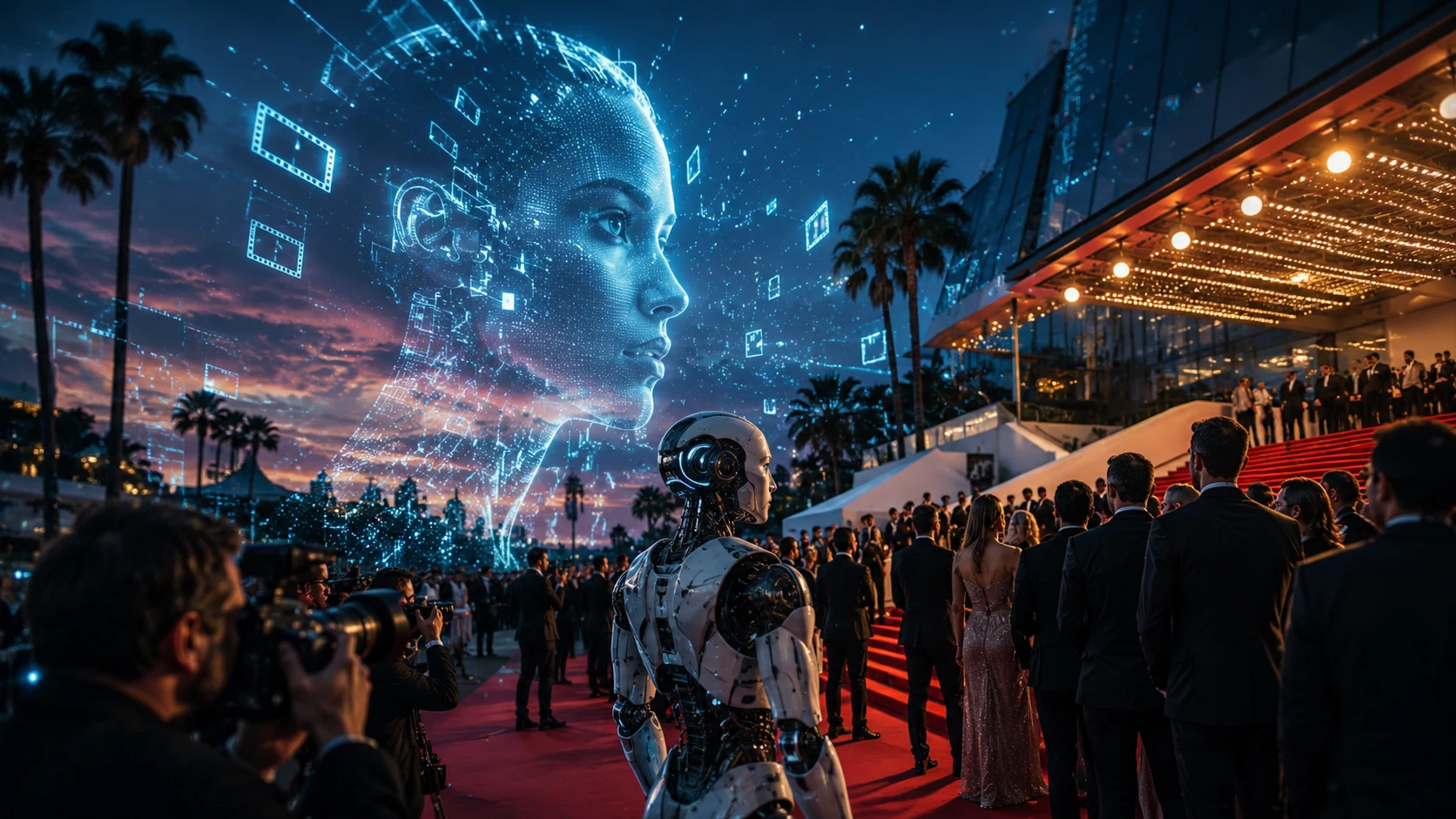
The conversation around AI visual technology finally exploded into the mainstream at Cannes 2026, and honestly, nobody at the festival seemed fully prepared for how intense things would become. What started as a few quiet discussions about generative visuals and AI-assisted filmmaking suddenly turned into one of the biggest creative debates the modern film industry has faced in years. Directors, visual artists, editors, cinematographers, and even actors walked into Cannes with completely different opinions about whether artificial intelligence was helping cinema evolve or slowly stripping away the soul that made movies feel human in the first place. Every red carpet interview somehow drifted toward the same topic, and social media amplified every statement into an even bigger controversy. By the middle of the festival, it became obvious that AI visual technology was no longer just a side tool in entertainment production because it had become the center of the entire conversation.
The atmosphere around Cannes this year felt different from previous festivals because technology companies were suddenly standing side by side with traditional filmmakers. AI startups showcased advanced tools capable of generating cinematic scenes, recreating realistic environments, and even assisting with shot composition faster than many small production houses could manage manually. Some creators looked genuinely excited because these systems could lower production costs and open opportunities for independent filmmakers who previously lacked massive studio budgets. Others looked deeply uncomfortable because they believed the rise of generative visuals threatened real artistic craftsmanship. The tension between innovation and authenticity became impossible to ignore, especially when several projects screening at the festival openly admitted using AI-generated visual workflows during production.
For younger audiences and digital-native creators, the discussion felt almost inevitable. The internet generation grew up watching technology evolve at insane speed, so the idea of AI entering filmmaking did not shock them as much as it shocked veteran industry figures. However, even younger filmmakers started questioning where the line should exist between creative assistance and creative replacement. If AI can generate lighting concepts, storyboard ideas, editing styles, and visual effects within minutes, what exactly happens to the thousands of artists who spent years mastering those crafts manually? That question echoed across interviews, podcasts, backstage conversations, and industry panels throughout Cannes 2026.
At the same time, audiences became fascinated by the visual possibilities being demonstrated during the festival. Some AI-assisted projects looked incredibly polished and cinematic, almost indistinguishable from productions made through traditional methods. The realism of facial animation, environmental rendering, and camera simulation reached a level that many critics previously thought would still take years to achieve. This pushed the discussion even further because the debate was no longer theoretical anymore. People were not arguing about what AI might eventually become. They were reacting to what it could already do right now.
Why AI Visual Technology Became Cannes’ Biggest Topic
The reason AI visual technology dominated Cannes 2026 was not simply because it existed, but because it suddenly became commercially viable at a massive scale. Film studios are constantly searching for ways to reduce production costs while increasing content output, and AI systems offered exactly that possibility. Instead of spending months creating concept art, virtual environments, or rough edits manually, production teams could now generate visual references within hours. For executives focused on efficiency, this looked revolutionary. For artists worried about long-term stability, it looked terrifying.
Several films presented at Cannes reportedly used AI in different stages of production, even if they were not fully AI-generated projects. Some directors used generative systems to create visual moodboards before shooting began, while others experimented with AI-assisted color grading and environment enhancement during post-production. One documentary screening reportedly used machine-learning systems to restore damaged archival footage with remarkable accuracy. The technology itself was not always replacing artists directly, but it was clearly changing how creative workflows operated behind the scenes.
The festival audience also contributed to the growing controversy because reactions became extremely polarized online. Some viewers praised the visuals and argued that storytelling mattered more than production methods. Others accused studios of trying to normalize automation before labor protections for artists could even be discussed properly. Social media clips from Cannes panels quickly went viral because filmmakers openly challenged each other over ethics, originality, and artistic ownership. The discussion spread far beyond the festival itself and became global within days.
Another reason the debate became so explosive was timing. The entertainment industry was already dealing with major concerns about automation, streaming pressure, shrinking production budgets, and changing audience behavior. AI entered the conversation at a moment when many creative professionals already felt uncertain about the future. Instead of being viewed as a neutral innovation, generative visuals became connected to larger fears about job security and creative identity. Cannes simply became the stage where all those anxieties finally collided in public.
The Rise of AI-Generated Cinema
Visual Quality Is Improving Extremely Fast
One thing nobody could deny during Cannes 2026 was the shocking speed of improvement in AI-generated visuals. Just a few years ago, most generative videos looked awkward, glitchy, and emotionally lifeless. Movements felt unnatural, lighting looked inconsistent, and facial details often entered uncanny territory almost immediately. Now, however, many AI-assisted scenes shown privately to industry professionals looked cinematic enough to fool casual audiences entirely. The gap between traditional CGI pipelines and generative systems was shrinking much faster than expected.
This rapid improvement created genuine excitement among independent creators because filmmaking has always been limited by budget access. A talented storyteller without studio support often struggled to visualize ambitious ideas due to expensive production requirements. AI tools suddenly offered smaller creators the ability to experiment with large-scale visuals that once required millions of dollars. For some artists, this felt democratizing rather than threatening. They believed the technology could break barriers instead of destroying creativity.
However, critics argued that visual quality alone should not determine artistic value. Many veteran filmmakers at Cannes insisted that cinema was never only about technical perfection. Human emotion, collaborative energy, improvisation, and lived experience still mattered deeply in storytelling. They worried that overreliance on algorithmic systems could slowly standardize visual language across the industry. If everyone uses similar AI models trained on similar datasets, visual culture itself might eventually become repetitive and creatively hollow.
The discussion became especially emotional when cinematographers began speaking about their craft. Traditional lighting, framing, and camera movement involve years of experimentation and instinct developed through real-world experience. Some professionals feared that younger studios might prioritize speed over artistry if AI systems became good enough to imitate cinematic aesthetics instantly. Cannes audiences could sense that the debate was not simply technological anymore. It had become philosophical.
Studios See AI as a Competitive Weapon
Large entertainment companies clearly view AI visual technology as a strategic advantage. The modern streaming landscape demands nonstop content production, and studios constantly compete for audience attention across multiple platforms simultaneously. Faster workflows mean quicker release schedules and lower production costs, which explains why major corporations are aggressively exploring generative systems despite ongoing criticism. Cannes revealed just how serious those investments have become.
Some production executives quietly admitted that AI-assisted pipelines could significantly reduce pre-production timelines. Storyboarding, concept generation, and environment planning now take a fraction of the time they once required. This efficiency becomes incredibly attractive when studios are managing dozens of projects at once. Investors also love the idea because reduced production costs theoretically increase profitability.
Still, not everyone inside the industry feels optimistic about this direction. Some filmmakers worry that corporations may prioritize algorithm-friendly content instead of artistic risk-taking. If AI systems begin analyzing audience trends to generate visually optimized scenes, cinema could slowly drift toward formulaic storytelling designed entirely around engagement metrics. That possibility deeply unsettled many artists attending Cannes this year.
The business side of the industry also understands that audiences remain emotionally attached to authenticity. Even if AI-generated cinema becomes visually flawless, viewers may still reject content that feels emotionally synthetic or creatively soulless. This uncertainty explains why studios are carefully balancing innovation with public perception. Nobody wants to become the first major company accused of replacing creativity entirely with machines.
Artists Push Back Against Automation
Creative Workers Fear Losing Their Identity
One of the strongest reactions at Cannes came from visual artists and production crews who feel increasingly vulnerable in the AI era. Editors, storyboard artists, concept designers, VFX teams, and animators all expressed concerns about long-term stability as generative systems improve. Many of these professionals spent years developing specialized skills, only to watch software suddenly replicate parts of their workflow within seconds. The emotional frustration surrounding this issue felt very real throughout the festival.
Some creators emphasized that artistic work involves more than output speed. Human collaboration shapes filmmaking in subtle ways that algorithms cannot easily reproduce. Directors often build visual ideas through conversation, improvisation, emotional chemistry, and spontaneous experimentation during production. Many artists argued that reducing creativity into automated prompts fundamentally misunderstands how storytelling actually works.
At the same time, younger digital creators pushed back against the panic by arguing that technology has always transformed art industries. Photography changed painting. Digital cameras changed filmmaking. CGI changed visual effects forever. From their perspective, AI represented another evolution rather than a total apocalypse. They believed artists who adapt creatively could still thrive alongside emerging tools instead of being replaced by them.
The generational divide became extremely visible during Cannes panels. Older professionals often approached the issue with caution and skepticism, while younger creators displayed curiosity mixed with concern. Neither side fully agreed with the other, which made the discussions even more fascinating to watch unfold publicly.
The Ethics Debate Keeps Growing
Beyond employment concerns, Cannes 2026 also intensified ethical discussions surrounding AI visual technology. One major issue involved training datasets and intellectual property rights. Many generative systems learn from massive amounts of existing visual material collected across the internet, including artwork, films, photography, and design references created by real humans. Critics argue that this process effectively uses artists’ labor without proper consent or compensation.
This ethical tension became especially controversial because the film industry already has a long history of disputes over creative ownership and fair compensation. Adding AI into that environment only amplified existing frustrations. Some artists demanded stronger legal protections before studios aggressively integrated generative systems into production pipelines. Others argued that regulation was already falling behind technological development.
There were also discussions about transparency. Should films disclose how much AI was used during production? Should audiences know whether certain performances, visuals, or scenes were partially generated through machine learning systems? Cannes attendees debated these questions constantly because there are still very few industry-wide standards in place.
Interestingly, some filmmakers proposed compromise solutions instead of outright rejection. They suggested that AI tools could remain acceptable if used collaboratively rather than autonomously. In this vision, generative systems function more like advanced creative assistants instead of replacements for human artists. Whether studios will actually follow that philosophy remains uncertain.
Social Media Turned Cannes Into a Battlefield
The internet transformed the Cannes debate into something much larger than a film festival conversation. Every controversial statement instantly circulated across TikTok, X, YouTube, and Instagram within minutes. Clips of directors criticizing AI went viral overnight, while tech-focused creators defended generative visuals as the future of entertainment. The algorithm-driven nature of social media intensified the conflict because extreme opinions naturally attracted the most attention.
Younger audiences online often approached the issue differently from traditional critics. Many digital creators already use AI-assisted tools daily for editing, design, music production, and content creation. To them, integrating AI into filmmaking seemed logical rather than scandalous. However, even among Gen Z communities, opinions remained divided regarding authenticity and artistic ethics.
Film fans also started debating whether audiences could emotionally connect with AI-assisted cinema the same way they connect with traditionally crafted films. Some argued that storytelling quality matters more than production methods, while others insisted that human artistic struggle gives cinema emotional depth that machines cannot replicate. These conversations spread far beyond Cannes itself and reached mainstream internet culture surprisingly fast.
The festival essentially became a symbol for a larger global conversation about creativity in the digital era. Cannes 2026 was no longer just about movies anymore. It became a cultural snapshot of humanity trying to decide how much artistic responsibility should remain in human hands as technology accelerates forward.
The Future of AI Visual Technology in Cinema
Hybrid Creativity May Become the New Standard
Despite all the controversy, one reality became increasingly clear during Cannes 2026. AI visual technology is probably not disappearing anytime soon. The tools are improving rapidly, investment continues growing, and younger creators are already integrating generative systems into their workflows naturally. Completely rejecting the technology may become unrealistic for much of the industry.
However, the future may not involve total automation either. Many professionals believe cinema will eventually settle into hybrid production models where human creativity remains central while AI handles specific technical tasks. Instead of replacing artists entirely, generative systems might streamline repetitive processes and allow creators to focus more on storytelling and emotional depth.
This balanced approach appears more sustainable because audiences still crave human perspective in entertainment. People connect emotionally to experiences, vulnerability, cultural context, and lived reality. AI can simulate aesthetics impressively, but emotional resonance still depends heavily on human intention. Cannes discussions repeatedly returned to this idea throughout the festival.
The next few years will likely determine whether the industry finds healthy balance or falls deeper into conflict. Regulations, labor agreements, ethical standards, and audience expectations will all shape how AI evolves inside filmmaking. Cannes 2026 may ultimately be remembered as the moment when cinema officially entered that transitional era.
Conclusion
The explosion of debate around AI visual technology at Cannes 2026 revealed something much bigger than simple industry disagreement. It exposed a cultural crossroads where technology, creativity, business, and human identity suddenly collided in public view. Filmmakers are no longer debating a distant future because they are reacting to tools that already exist and are rapidly improving every month. Some creators see incredible opportunity in these systems, while others fear losing the emotional authenticity that defines cinema itself.
What made Cannes fascinating this year was not just the technology, but the emotional intensity surrounding it. People care deeply about storytelling because films shape culture, memory, imagination, and human connection. The fear that creativity could become overly automated triggered strong reactions across every generation attending the festival. At the same time, excitement around innovation continued pushing the conversation forward regardless of criticism.
The future of cinema will probably not belong entirely to machines or entirely to traditional workflows. Instead, the industry appears headed toward a complicated middle ground where human creativity and artificial intelligence constantly interact with each other. Cannes 2026 simply made that reality impossible to ignore anymore.