
AI Revives Molière Theater in 2026 Era
 Vortixel
8 minutes read
Vortixel
8 minutes read
Introduction: When AI Meets Classical Art
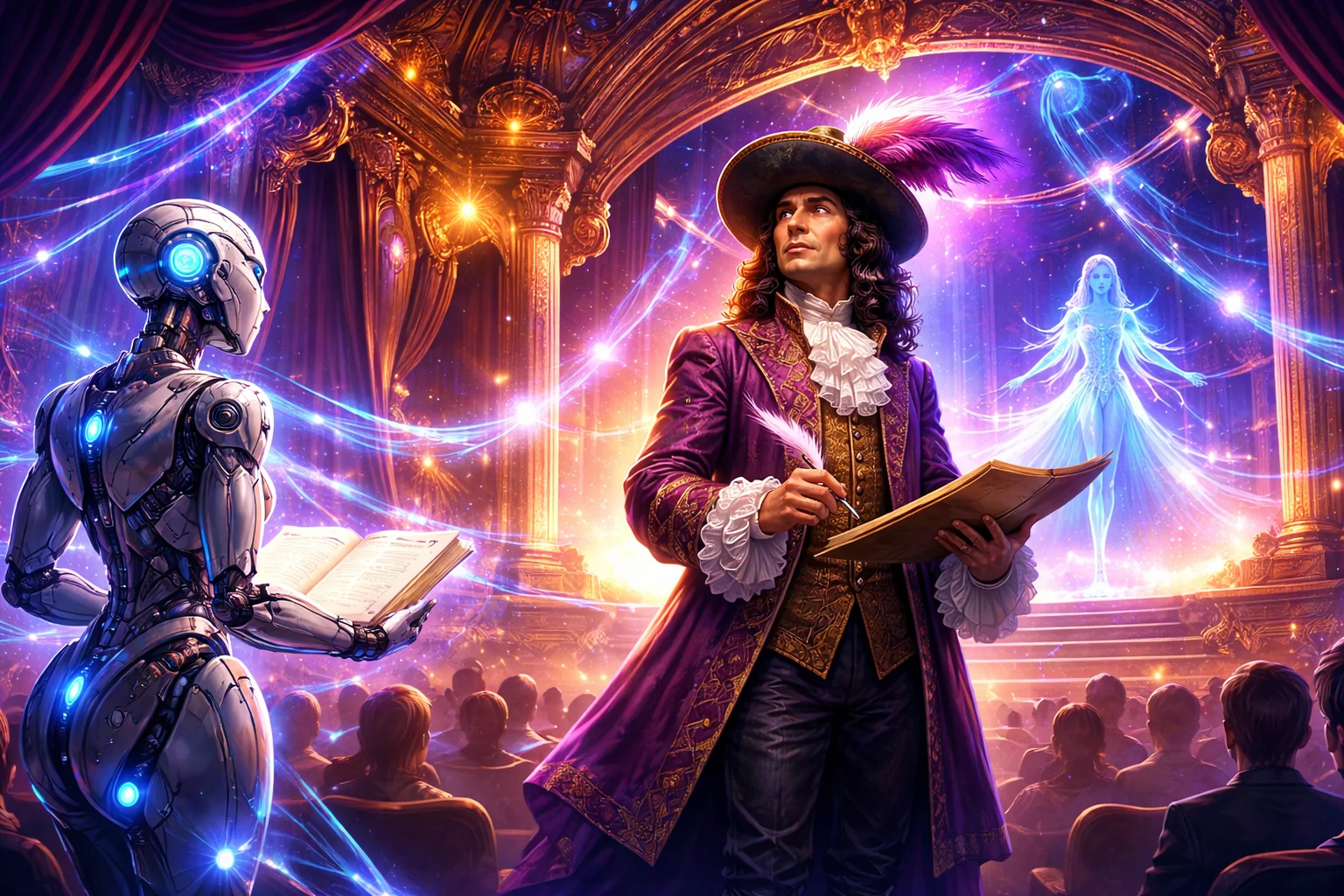
The intersection between artificial intelligence and the arts is no longer a futuristic concept; it is happening right now, and it is transforming how we experience creativity at its core. In 2026, one of the most talked-about cultural breakthroughs is the revival of classical theater using AI, specifically through a bold project that brings the legacy of Molière back to life. This development is not just about nostalgia or technological experimentation, but about redefining how storytelling evolves in the modern age. By combining centuries-old theatrical traditions with cutting-edge generative AI systems, creators are pushing boundaries that once seemed untouchable. The result is a new hybrid art form where human emotion and machine intelligence coexist on the same stage.
This phenomenon is gaining global attention because it challenges long-standing beliefs about authorship, originality, and the essence of art itself. The idea that AI can collaborate with human playwrights to create scripts inspired by Molière’s style has sparked both excitement and controversy. Some see it as a revolutionary step forward, while others question whether machines should play any role in preserving cultural heritage. Regardless of the debate, one thing is clear: AI is no longer just a tool; it is becoming an active participant in the creative process. This shift is reshaping industries beyond theater, influencing design, film, music, and digital content creation in profound ways.
The Legacy of Molière in Modern Culture
To fully understand the significance of this AI-driven revival, it is essential to revisit who Molière was and why his work still matters today. Born in the 17th century, Molière is widely regarded as one of the greatest playwrights in French history, known for his sharp wit, satirical storytelling, and deep exploration of human behavior. His plays, such as Tartuffe and The Misanthrope, continue to be performed worldwide, resonating with audiences across generations. The timeless nature of his work lies in its ability to critique societal norms while remaining entertaining and accessible.
In the digital age, however, maintaining relevance for classical works presents a unique challenge. Younger audiences, particularly Gen Z, consume content differently, favoring fast-paced, visually engaging formats over traditional stage performances. This shift has forced cultural institutions to rethink how they present historical art forms. Enter AI, a technology capable of bridging the gap between past and present by reinterpreting classical styles in ways that feel fresh and relevant. By analyzing Molière’s language patterns, themes, and narrative structures, AI systems can generate new scripts that capture the essence of his work while introducing contemporary elements.
This approach does not replace the original texts but rather expands their influence into new territories. It allows creators to experiment with alternative storylines, modern settings, and diverse perspectives, all while maintaining a connection to Molière’s signature style. For audiences, this means experiencing something both familiar and entirely new at the same time.
How AI Is Rewriting Theater Scripts
At the heart of this innovation lies generative AI, a technology that has rapidly evolved in recent years. These systems are trained on vast datasets, including literary works, scripts, and linguistic patterns, enabling them to produce human-like text with remarkable accuracy. In the case of the Molière revival project, AI models were specifically trained on his plays, as well as other classical and contemporary works, to understand the nuances of theatrical writing.
The process begins with human creators setting the parameters for the AI, such as themes, character archetypes, and narrative direction. The AI then generates script drafts, which are refined and edited by playwrights and directors. This collaborative workflow ensures that the final product maintains artistic integrity while benefiting from the efficiency and creativity of machine-generated ideas. It is not about replacing human writers but enhancing their capabilities.
One of the most fascinating aspects of this process is the speed at which ideas can be developed. What once took months of brainstorming and drafting can now be achieved in a fraction of the time. This acceleration allows for more experimentation and iteration, leading to more innovative and diverse storytelling. Additionally, AI can introduce unexpected twists and perspectives that human writers might not have considered, adding a layer of unpredictability to the creative process.
However, this also raises important questions about authorship and ownership. If an AI contributes significantly to a script, who gets the credit? Is it the machine, the developers who created it, or the artists who guided its output? These questions are still being debated, and their answers will likely shape the future of AI in the arts.
The Production: Bringing AI Theater to Life
Creating an AI-generated script is only the first step; the real magic happens when it is brought to the stage. The Molière revival project goes beyond traditional theater by incorporating advanced technologies into the production itself. From digital stage design to AI-assisted lighting and sound systems, every aspect of the performance is enhanced by innovation.
One notable feature is the use of virtual environments that can adapt in real time to the actors’ performances. This creates a dynamic and immersive experience for the audience, blurring the line between physical and digital spaces. Actors, too, are interacting with AI in new ways, using tools that provide real-time feedback on their delivery, timing, and emotional expression. This not only improves performance quality but also opens up new possibilities for experimentation.
The integration of AI extends to audience engagement as well. Some productions are exploring interactive elements where viewers can influence the direction of the story through digital interfaces. This transforms theater from a passive experience into an active one, aligning with the preferences of modern audiences who seek more personalized and engaging content.
Cultural Impact and Global Reactions
The revival of Molière through AI has sparked a wide range of reactions from critics, artists, and audiences around the world. Supporters argue that it represents a natural evolution of art, one that embraces technology to keep cultural heritage alive and relevant. They see it as an opportunity to reach new audiences and inspire a new generation of creators.
On the other hand, critics worry about the potential loss of authenticity. They argue that art should be a purely human endeavor, rooted in personal experience and emotional depth. The involvement of AI, they fear, could dilute these qualities, turning art into something mechanical and impersonal. There are also concerns about the ethical implications of using AI to replicate the style of deceased artists, raising questions about consent and intellectual property.
Despite these concerns, the overall response has been largely positive, with many acknowledging the potential of AI to enrich the arts rather than diminish them. The success of the Molière project has already inspired similar initiatives in other areas, from music composition to visual art and filmmaking. It signals a broader trend where AI is becoming an integral part of the creative ecosystem.
Why This Matters for the Future of Visual Technology
For platforms like Visual Vortixel, which focus on AI-powered creativity and visual technology, this development is a clear indicator of where the industry is headed. The fusion of AI and art is not a niche trend but a mainstream movement that is reshaping how content is created and consumed. As generative AI continues to improve, its applications will expand beyond text and visuals to include more complex forms of storytelling and interaction.
This also has significant implications for creators and businesses. Those who embrace AI as a collaborative tool will have a competitive advantage, قادر to produce high-quality content بسرعة and at scale. At the same time, they will need to navigate the ethical and legal challenges that come with using AI in creative processes. This includes issues related to copyright, data usage, and transparency.
For audiences, the rise of AI in the arts offers a more diverse and personalized entertainment landscape. It opens up new ways to experience stories, whether through interactive theater, immersive virtual environments, or AI-generated content tailored to individual preferences. This shift is particularly appealing to younger generations who value innovation and interactivity.
The Balance Between Human Creativity and AI
One of the key themes emerging from this trend is the importance of balance. While AI can enhance creativity, it cannot replace the human element that makes art meaningful. Emotions, cultural context, and personal experiences are aspects that machines cannot fully replicate. Therefore, the most successful projects will be those that combine the strengths of both humans and AI.
In the case of the Molière revival, this balance is achieved through collaboration. Human artists provide the vision and emotional depth, while AI contributes efficiency and new ideas. This partnership allows for a richer and more dynamic creative process, one that leverages technology without losing sight of the human touch.
Conclusion: A New Chapter in Creative Evolution
The revival of Molière’s theater through AI is more than just a technological experiment; it is a glimpse into the future of creativity. It ցույցs how tradition and innovation can coexist, creating something that is both respectful of the past and exciting for the future. As AI continues to evolve, its role in the arts will likely become even more prominent, challenging us to rethink what it means to create and experience art.
For now, one thing is certain: the stage is no longer limited to human imagination alone. With AI as a collaborator, the possibilities are endless, and the story of art is entering a bold new chapter.