

Lumix L10 Brings AI Focus to Retro Cameras
 Vortixel
14 minutes read
Vortixel
14 minutes read
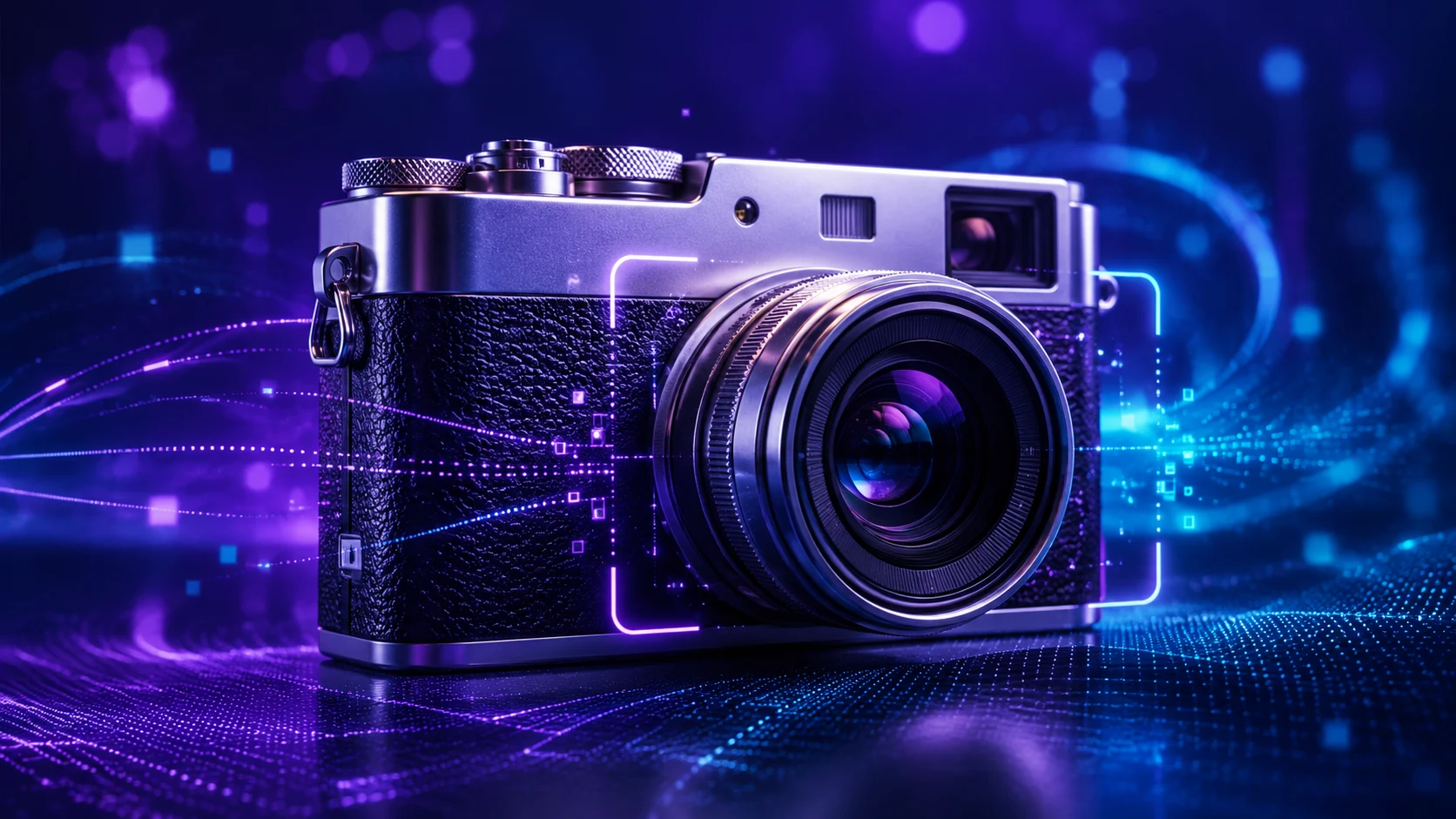
The new Lumix L10 lands at a moment when photography culture is having a very visible identity crisis. On one side, creators want faster tools, smarter autofocus, better stabilization, and camera systems that understand a scene before the shutter is pressed. On the other side, a growing wave of photographers is tired of devices that feel like tiny computers with lenses attached. The Lumix L10 steps directly into that tension with a retro-inspired body, a fixed Leica zoom lens, and an AI autofocus system designed to make serious photography feel less intimidating. It is not just another compact camera trying to look stylish; it feels like a signal that the next era of visual tech may be built around emotion, speed, and simplicity at the same time.
For years, camera companies have tried to decide whether they are selling tools to professionals, lifestyle accessories to travelers, or hybrid machines for video creators. The Lumix L10 seems to answer that question by putting still photography back at the center without fully ignoring modern content needs. Its retro design gives it the charm of an analog object, but its internal feature set belongs firmly to the age of computational imaging. That combination matters because younger photographers are not only chasing technical perfection anymore; they are chasing a feeling, a visual language, and a camera that can become part of their daily rhythm. In that sense, Panasonic is not simply releasing a compact camera; it is responding to a wider cultural shift in how people want to create images.
Why the Lumix L10 Feels Different
The most interesting thing about the Lumix L10 is not one single specification, even though the spec sheet is clearly doing a lot of work. The camera pairs a 20.4-megapixel back-illuminated CMOS sensor with a fixed Leica 24-75mm equivalent lens, which gives it a flexible range for street scenes, portraits, travel moments, food shots, and detail-heavy close-ups. That lens opens from f/1.7 to f/2.8, giving users enough brightness to shoot in moody indoor spaces or after-sunset city scenes without immediately reaching for artificial light. The camera also includes macro capability that lets autofocus work at extremely close distances, making it useful for product details, flowers, textures, and everyday visual experiments. Put simply, this is a compact camera that wants to make the everyday look intentional.
The retro body is not just there for social media attention, although it will probably get plenty of that. A magnesium alloy front case and metal exterior help the Lumix L10 feel more like a lasting object than a disposable gadget. The textured finish, analog-style controls, and dedicated creative buttons are all part of a larger design language that makes the camera feel familiar even before someone understands every menu. That is a smart move because many new photographers are overwhelmed by modern camera interfaces, especially when every mode is buried under layers of touchscreen options. By combining classic handling with newer automation, the camera lowers the mental barrier between seeing a moment and capturing it.
AI Autofocus Turns Retro Design Into a Modern Tool
The headline feature is the AI autofocus system, and it is where the Lumix L10 becomes more than a nostalgia play. The camera uses a hybrid phase-detection autofocus setup with hundreds of focus points spread across the frame, allowing it to track subjects with a level of confidence that older compact cameras could not deliver. More importantly, its recognition system can identify eyes, faces, bodies, animals, and vehicles, which makes it useful across real-life shooting situations rather than only controlled portraits. This matters because today’s photographers often move between scenes quickly, from a friend walking through neon light to a dog sprinting across a park to a car passing through a layered street composition. Instead of asking users to constantly change focus modes, the camera tries to understand what matters inside the frame.
That shift is bigger than it sounds because autofocus has become one of the defining features of modern photography. A camera with strong colors and a beautiful lens can still feel frustrating if it misses focus at the wrong moment. The Lumix L10 is clearly built for people who want the look and feel of a classic camera without accepting the old pain points of slow reactions and uncertain tracking. For street photographers, that could mean fewer missed gestures and more confidence when shooting from the hip or reacting to movement. For everyday creators, it could mean sharper portraits, cleaner travel photos, and less time checking every frame to see whether the subject’s eyes are actually crisp.
A Camera Built for the Post-Smartphone Photographer
The Lumix L10 also speaks to a growing group of people who grew up with phones but now want something more intentional. Smartphone cameras are incredibly powerful, but they often make every image feel processed, polished, and algorithmically predictable. Dedicated cameras offer a different kind of relationship because they slow the user down just enough to make composition feel deliberate. That does not mean younger photographers want clunky gear or complicated workflows, though. They want a camera that feels tactile, produces richer files, and still moves fast enough for a world where moments disappear in seconds.
This is where the fixed-lens approach becomes important. Interchangeable-lens systems are powerful, but they can also become a rabbit hole of expensive glass, sensor debates, mount choices, and endless comparison shopping. A fixed Leica zoom gives the Lumix L10 a defined personality from day one, which can actually be creatively freeing. The 24-75mm range covers wide environmental scenes, natural portraits, close details, and casual documentary work without forcing the user to carry a bag full of lenses. For a photographer who wants a daily camera rather than a full system, that simplicity may be the entire point.
Retro Cameras Are Becoming a Visual Tech Trend
The return of retro-style cameras is not random, and it fits naturally into the broader visual technology conversation. Across creative industries, people are looking for tools that feel less sterile and more personal, even when those tools are powered by advanced software. Film simulations, physical dials, compact bodies, and vintage-inspired color profiles have become part of a wider rejection of overly perfect digital imagery. The Lumix L10 enters this movement with a design that feels nostalgic but not outdated. Its appeal comes from the fact that it lets users enjoy a classic shooting experience while still relying on AI-assisted features when the moment gets unpredictable.
This trend also reflects a deeper fatigue with content production as a nonstop performance. Many creators are tired of gear that constantly pushes them toward video, livestreaming, vertical formats, and always-on social output. The Lumix L10 still supports capable video recording, but its identity is clearly built around photography first. That distinction gives it a calmer, more focused personality in a market where many devices try to be everything at once. By choosing a stills-forward approach, Panasonic is tapping into a quieter but powerful desire for cameras that help people observe rather than constantly broadcast.
The Leica Lens Gives the Camera Its Character
A compact camera lives or dies by its lens because users cannot simply swap it out when the mood changes. The Leica 24-75mm equivalent lens on the Lumix L10 gives the camera a strong foundation because it covers the most useful focal lengths for everyday photography. At the wide end, it can capture interiors, city scenes, travel landscapes, and environmental portraits with enough context to tell a story. At the longer end, it can compress backgrounds, isolate subjects, and create a more classic portrait feel without stepping into bulky telephoto territory. The bright aperture range also helps create more separation between subject and background, which remains one of the biggest reasons people still reach for dedicated cameras over smartphones.
The lens ring also matters because physical control changes how a photographer thinks. When aperture adjustment becomes something the hand can feel, exposure stops being an abstract menu setting and becomes part of the act of shooting. That may sound small, but it can make the difference between casually taking a picture and consciously shaping an image. The Lumix L10 seems designed for that kind of tactile decision-making, where technology supports the photographer without fully taking over the process. It is a modern camera, but it still leaves room for personal timing, instinct, and taste.
Color, Film Looks, and the New Creative Shortcut
Color has become one of the biggest battlegrounds in modern digital photography. Users do not just want sharp photos; they want a recognizable mood that feels consistent across a personal feed, portfolio, or visual diary. The Lumix L10 includes creative color effects and simulated film styles that can be customized and loaded through Panasonic’s mobile workflow. That is important because many photographers now want finished-looking images straight from the camera, especially when they are shooting daily life or travel. Instead of relying on heavy editing later, the camera encourages users to develop a visual signature while they shoot.
This kind of built-in creative workflow reflects how photography has changed in the last decade. Editing apps made color grading accessible, but they also created a habit of fixing everything after the fact. Cameras like the Lumix L10 push some of that creative decision-making back into the shooting moment. That can make photography feel more immersive because the photographer is not just collecting raw material for later; they are seeing the final mood as they frame the scene. For visual storytellers, that shift can lead to stronger consistency and a more emotional connection with the work.
Performance for Fast, Unplanned Moments
The Lumix L10 also brings enough speed to make its compact design feel serious. With high-speed burst shooting available through electronic and mechanical shutter options, the camera is positioned for moments that unfold too quickly for slow, careful framing. That is useful for street photography, pets, children, performances, travel scenes, and any unpredictable subject that does not wait for the perfect setup. Combined with AI autofocus, burst shooting becomes more than a numbers game because the camera is not only capturing many frames but also trying to keep the right subject sharp. For users who are used to phones choosing the moment for them, this gives more control while keeping the hit rate high.
The electronic viewfinder and fully articulated touchscreen also help bridge different shooting styles. Some photographers still prefer lifting a camera to the eye because it creates focus and blocks out distractions. Others want flexible angles for low shots, overhead compositions, self-recorded clips, or casual framing in crowded spaces. The Lumix L10 offers both, which makes it feel more adaptable than a purely nostalgia-driven camera. It respects classic shooting posture while acknowledging that modern photographers do not always shoot from one fixed position.
Video Is Present, but Photography Leads
Even though the Lumix L10 is clearly marketed around still photography, video is still part of the package. The camera can record high-resolution footage at fast frame rates, which gives hybrid creators enough flexibility for short-form clips, cinematic cutaways, and behind-the-scenes content. However, the compact body naturally places limits on heat management and long recording sessions, which makes it less of a direct replacement for larger video-focused Lumix bodies. That is not necessarily a weakness because the camera does not appear to be chasing cinema production crews. Its video features feel more like a strong bonus for photographers who occasionally want motion, rather than the main reason to buy it.
This distinction is refreshing because the camera market has spent years leaning heavily into creator culture. Many recent cameras are judged by whether they can vlog, livestream, record long clips, shoot vertical video, and handle professional color workflows. The Lumix L10 pushes back by saying that a modern camera can be advanced without being completely video-first. That positioning may resonate with people who love visual storytelling but do not want every device to feel optimized for constant content output. It gives photographers permission to care about still images again without feeling like they are buying outdated technology.
What the Lumix L10 Means for Camera Design
The bigger story behind the Lumix L10 is the way camera design is moving toward emotional usability. Specifications still matter, but the winning products increasingly feel like objects people want to carry, touch, and build habits around. A camera can have excellent autofocus and a strong sensor, but if it feels cold or annoying to use, it may stay on a shelf after the first month. The Lumix L10 is trying to avoid that by combining smart automation with a body that feels inviting. It suggests that the future of camera design may not be purely about more power, but about making power feel human.
This also shows how AI is becoming less visible as a buzzword and more practical as a background assistant. In a camera like the Lumix L10, AI is not writing captions, generating fake scenes, or replacing the photographer’s eye. It is helping the camera understand subjects, maintain focus, and reduce technical friction so the user can pay more attention to framing and timing. That is a healthier version of AI in creative work because it supports real-world observation instead of trying to replace it. For photographers who are skeptical of AI, this kind of implementation may feel less threatening and more genuinely useful.
Who Should Pay Attention to This Camera?
The Lumix L10 will likely appeal most to photographers who want a premium everyday camera without building a full lens system. It makes sense for travelers who want strong image quality in a body that feels easier to carry than a professional mirrorless kit. It also fits street photographers who like compact gear, fast reactions, and a camera that does not scream for attention in public spaces. Visual artists, bloggers, designers, and content creators may appreciate its color tools and tactile interface because it can produce polished images without a heavy editing routine. It is not the cheapest path into photography, but it aims at users who value experience as much as output.
At the same time, it may not be the perfect camera for everyone. Photographers who need interchangeable lenses, long telephoto reach, deep video recording endurance, or specialized professional workflows may still prefer larger systems. The fixed lens is freeing for some users but limiting for others, especially those who want ultra-wide landscapes or true telephoto compression. The premium price also places the Lumix L10 in a competitive space where buyers will compare it against mirrorless bodies, luxury compacts, and even high-end smartphones. Its success will depend on whether people see its blend of design, lens quality, and AI autofocus as a complete creative experience rather than just another compact camera.
Practical Insight for Visual Creators
For creators thinking about the Lumix L10, the smartest question is not whether it has the most extreme specs on the market. The better question is whether it matches the way they actually shoot. If someone wants a camera for daily walks, editorial-style travel stories, portraits of friends, café details, product shots, street scenes, and visual essays, this kind of fixed-lens compact can be incredibly useful. It removes the friction of lens choices while still offering enough control to make images feel personal. That combination can help creators build consistency, which is often more valuable than having every possible technical option.
The camera also encourages a more intentional relationship with visual storytelling. A smartphone is always available, but that convenience can make images feel casual and forgettable. A dedicated camera like the Lumix L10 creates a small ritual around seeing, framing, focusing, and choosing a look. That ritual can improve creative discipline because the user starts paying attention to light, color, subject movement, and background layers. For Gen Z creators and younger professionals who want their visuals to feel less generic, that shift from instant capture to intentional capture could be the real upgrade.
The Impact on the Premium Compact Market
The premium compact camera market has been quietly heating up because users are rediscovering the value of dedicated image-making tools. Phones dominate casual photography, but they also made many people more visually literate, which means some users are now ready for a more expressive device. The Lumix L10 enters that space with a strong mix of nostalgia, automation, optical quality, and brand heritage. It does not need to defeat smartphones by being more convenient because that battle is already impossible. Instead, it can win by offering a more satisfying experience and a more distinctive look.
If the camera performs well in real-world use, it could encourage more brands to rethink compact cameras as premium creative companions rather than entry-level leftovers. That would be good for photographers because competition often leads to better lenses, smarter autofocus systems, improved viewfinders, and more thoughtful design. The Lumix L10 also proves that AI can be part of a camera’s identity without turning it into a gimmick. When AI helps preserve a moment instead of manufacturing one, it feels aligned with photography’s original purpose. That balance could become the blueprint for the next wave of high-end compact cameras.
Conclusion: The Lumix L10 Blends Feeling and Speed
The Lumix L10 stands out because it understands something many tech products forget: creativity is not only about capability, but also about connection. Its retro body gives photographers a reason to pick it up, while its AI autofocus gives them a better chance of keeping the moment sharp. The Leica zoom lens, tactile controls, color features, and compact form all work together to create a camera that feels modern without losing warmth. It is a device built for people who want their images to feel intentional, personal, and visually alive. In a market crowded with hybrid machines and smartphone upgrades, the Lumix L10 makes a strong case that the future of photography can still look beautifully old-school while thinking fast in real time.