
OpenAI Image Gen 2 Reshapes Visual AI Future
 Vortixel
9 minutes read
Vortixel
9 minutes read
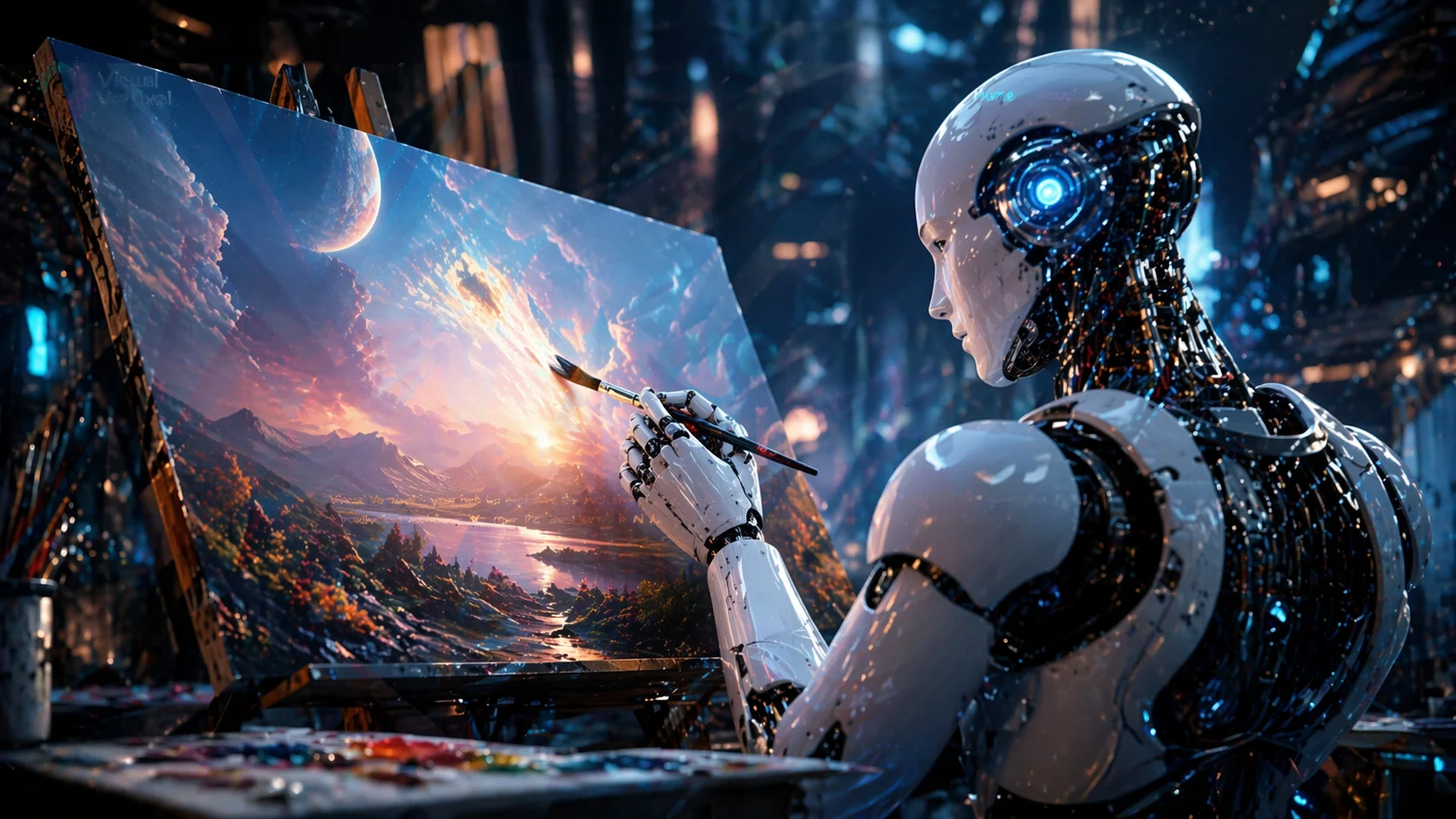
The world of creative technology moves fast, but every once in a while, a launch arrives that genuinely changes the pace of the industry. That is exactly what happened with the arrival of OpenAI Image Gen 2, a next-generation image creation system that is quickly becoming one of the most talked-about innovations in digital media. Designers, marketers, content creators, agencies, developers, and startups are all paying attention because this release signals something bigger than a simple tool update. It points toward a new era where visual AI becomes faster, smarter, more accurate, and deeply integrated into modern workflows.
For years, image generation tools were seen as experimental products. They were fun, sometimes useful, but often limited by strange anatomy, poor text rendering, inconsistent style, or lack of professional control. Many creators treated them as side tools rather than serious production platforms. With OpenAI Image Gen 2, that perception is changing rapidly. This technology aims to deliver commercial-grade image outputs that can support branding campaigns, product mockups, editorial illustrations, cinematic concepts, advertising assets, and even large-scale creative pipelines.
What makes this moment especially important is timing. Businesses are under pressure to produce more content than ever before. Social platforms reward constant publishing, brands need visuals for multiple regions, and creators are expected to move at internet speed. Traditional production methods can be expensive, slow, and resource-heavy. AI-generated imaging offers an alternative that reduces friction while opening new creative possibilities. That is why so many people believe OpenAI Image Gen 2 reshapes the visual AI future rather than simply joining it.
This article explores how the new model works, why it matters, how it may impact industries, what opportunities it creates for creators, and what challenges still remain.
What Is OpenAI Image Gen 2?
At its core, OpenAI Image Gen 2 is an advanced image generation system designed to turn text prompts into highly detailed visuals with better accuracy and stronger creative control. Users can describe scenes, objects, moods, styles, lighting, camera angles, textures, or branding directions, and the system produces polished visual outputs based on those instructions.
That may sound familiar because text-to-image tools already exist. However, what separates newer generation models from earlier ones is quality and reliability. Instead of merely generating “interesting” images, the focus now is generating images that people can actually use in business, media, and production environments.
The second-generation leap appears centered around several improvements:
- Better prompt understanding
- Stronger composition logic
- More realistic anatomy and faces
- Improved typography handling
- Cleaner object relationships
- Better lighting and texture realism
- More consistent style outputs
- Faster generation workflows
- Smarter editing potential
This matters because professionals do not just need creativity. They need repeatability. If a brand campaign requires ten matching visuals across multiple formats, consistency becomes everything.
Why This Launch Matters Right Now
The timing of this release is almost perfect. In 2026, visual demand across the internet is exploding. Brands need thumbnails, ads, landing pages, product imagery, social content, motion storyboards, and localized campaigns at scale. Meanwhile, audiences expect higher quality every year.
Traditional content creation can be expensive because it may involve photographers, studios, retouchers, designers, models, locations, licenses, and post-production teams. Those services remain valuable, but not every company can afford them for every project.
That creates a gap in the market, and OpenAI Image Gen 2 is positioned directly inside that gap.
For startups, it can reduce launch costs. For agencies, it can accelerate concepting. For ecommerce stores, it can improve product presentation. For media publishers, it can support custom article visuals. For solo creators, it can unlock professional-level assets without massive budgets.
This is why many analysts see image generation tools moving from novelty status into business infrastructure.
How OpenAI Image Gen 2 Could Change Creative Workflows
Creative work is rarely about one final image. It is a process involving brainstorming, iteration, review, revisions, stakeholder approval, resizing, testing, and deployment. AI tools become valuable when they improve this process, not just when they create one nice picture.
1. Faster Idea Generation
Instead of spending hours gathering references, teams can prompt multiple visual directions in minutes. A campaign concept for futuristic fashion, luxury skincare, gaming hardware, or travel branding can be visualized instantly.
That speed helps creative teams make decisions earlier.
2. Lower Production Costs
Not every project needs a full photoshoot. Some campaigns only need mockups, placeholders, concept visuals, or digital-only assets. AI can reduce costs in those scenarios.
3. Better Testing for Marketing
Marketers constantly test creatives. Headlines, colors, layouts, emotions, seasonal themes, and demographics all influence results. OpenAI Image Gen 2 could help teams generate multiple ad variants quickly for performance testing.
4. Scalable Global Localization
A brand can adapt visuals for different markets more easily. Clothing styles, weather settings, backgrounds, cultural moods, or product context can be changed for regional campaigns.
5. Stronger Creator Independence
Solo creators and small teams gain production power that once required agencies. That changes the economics of content creation.
Industries That May Benefit Most
Ecommerce
Online stores live or die through visuals. Product photos, lifestyle shots, banners, and promotional creatives directly impact conversions. AI-generated supporting visuals can help stores move faster and test more aggressively.
Media Publishing
Publishers need fresh article images every day. Instead of relying only on stock libraries, editorial teams can create custom visuals aligned with each story.
Gaming
Game studios can use image generation for mood boards, environment ideas, character concepts, UI themes, and marketing art exploration.
Film and Entertainment
Pre-production often requires concept art and scene references. AI can accelerate visual development before expensive production begins.
Real Estate
Interior staging visuals, renovation concepts, neighborhood lifestyle scenes, and promotional banners become easier to create.
Education
Learning platforms can build custom diagrams, historical reconstructions, scientific illustrations, and engaging lesson assets.
Why Gen Z Creators Care About This
Gen Z creators operate differently from legacy media teams. They move fast, publish constantly, and blend trends across platforms. They are creators, editors, marketers, designers, and strategists at the same time.
That makes tools like OpenAI Image Gen 2 especially attractive.
Instead of waiting days for outsourced graphics, creators can generate:
- YouTube thumbnails
- TikTok promo visuals
- Podcast cover art
- Personal brand banners
- Blog featured images
- Merch concepts
- Meme-ready templates
- Community event graphics
Speed is not just convenience anymore. It is competitive advantage.
The Rise of AI Visual Branding
One of the biggest shifts in digital business is the move toward micro-brands. Individuals now build brands around newsletters, channels, niche websites, coaching products, SaaS tools, or digital communities.
These brands need visual identity. Logos alone are not enough. They need:
- Mood systems
- Content templates
- Product scenes
- Ad imagery
- Seasonal campaigns
- Social consistency
OpenAI Image Gen 2 can help emerging brands create polished ecosystems faster than traditional methods allowed.
That means more competition online, but also more creativity.
Can AI Replace Designers? Not Exactly
This question always appears whenever a major AI tool launches. The short answer is no, not fully.
Design is not just making images. It includes:
- Strategy
- Brand psychology
- Audience understanding
- Typography systems
- UX logic
- Cultural nuance
- Storytelling
- Conversion thinking
- Art direction
AI can generate outputs, but human designers still shape meaning and direction. In many cases, designers who use AI effectively may outperform those who ignore it.
The future likely belongs to hybrid creatives: people with taste, strategy, and technical fluency.
What Still Needs Improvement
Even advanced systems still face real challenges.
Prompt Dependency
Bad prompts often lead to weak results. Users still need clarity in communication.
Overused Styles
When many people use similar prompts, visuals can start feeling repetitive.
Brand Authenticity
Companies do not want generic-looking imagery. Distinctive identity still matters.
Legal and Ethical Questions
Copyright, attribution, training data, likeness rights, and transparency remain industry-wide discussions.
Human Taste Gap
AI can generate polished images, but not every polished image feels emotionally meaningful.
That is why curation remains powerful.
SEO and Content Marketing Impact
For website owners and publishers, this release may be huge.
Search engines reward useful content, but strong visuals improve:
- Click-through rate
- Time on page
- Shareability
- Brand trust
- User engagement
- Scroll depth
Custom article visuals generated faster can help websites publish stronger content at scale. For media brands like Visual Vortixel, that creates direct opportunity.
A site covering AI, creativity, and visual technology can use original imagery for every story instead of generic stock photos.
That can strengthen brand identity and audience loyalty.
How Businesses Should Use Image Gen 2 Smartly
The smartest companies will not replace everything with AI. They will combine AI with human systems.
Recommended Strategy:
- Use AI for ideation and speed
- Use designers for refinement
- Maintain brand guidelines
- Build prompt libraries
- Test performance data
- Create original visual styles
- Keep ethical disclosure clear when needed
The winners will not be the loudest adopters. They will be the most strategic adopters.
Future of Visual Search and Commerce
Another underrated impact is search behavior.
As image generation improves, users may increasingly search visually rather than textually. Consumers may upload inspiration images and ask AI to find products, recreate rooms, suggest outfits, or compare styles.
That means OpenAI Image Gen 2 is not just about making pictures. It may become part of future shopping, discovery, and decision-making systems.
Imagine asking:
- Show me a living room like this under $2,000
- Create travel looks for Bangkok in summer
- Generate sneaker concepts based on retro streetwear
- Build packaging for a vegan skincare launch
That future feels close.
Competition in the AI Visual Space
OpenAI is not alone. The visual AI market includes major players across software, search, design, cloud, and startup ecosystems. Competition is intense, which benefits users.
More competition usually means:
- Better models
- Lower prices
- Faster innovation
- Stronger integrations
- Niche specialization
- Higher output quality
Still, brand trust and ecosystem integration matter. If OpenAI connects image tools smoothly with writing, coding, automation, and multimodal workflows, it gains a serious advantage.
What This Means for Visual Vortixel Readers
For readers focused on modern visual tech, the launch of OpenAI Image Gen 2 is more than another product headline. It is a signal that the creative internet is changing again.
Creators who understand prompting, branding, editing, and audience psychology can move faster than ever. Agencies can reduce friction. Publishers can scale content. Entrepreneurs can launch visually strong products without giant budgets.
The barrier between idea and execution keeps shrinking.
That is the real story.
Final Verdict
OpenAI Image Gen 2 reshapes visual AI future because it pushes image generation closer to practical everyday value. Earlier AI tools proved the concept. Newer systems aim to prove the business model.
This matters for creators, startups, publishers, marketers, educators, and brands. It means visual production becomes more accessible, more responsive, and more scalable. But it also raises the importance of human taste, originality, and strategy.
Technology can generate pixels. Humans still generate meaning.
That balance will define the next era of digital creativity.
For anyone building online in 2026, ignoring visual AI is risky. Learning how to direct it intelligently may become one of the most valuable skills in the market.